Follow Us on Google
By Chinwendu Obienyi
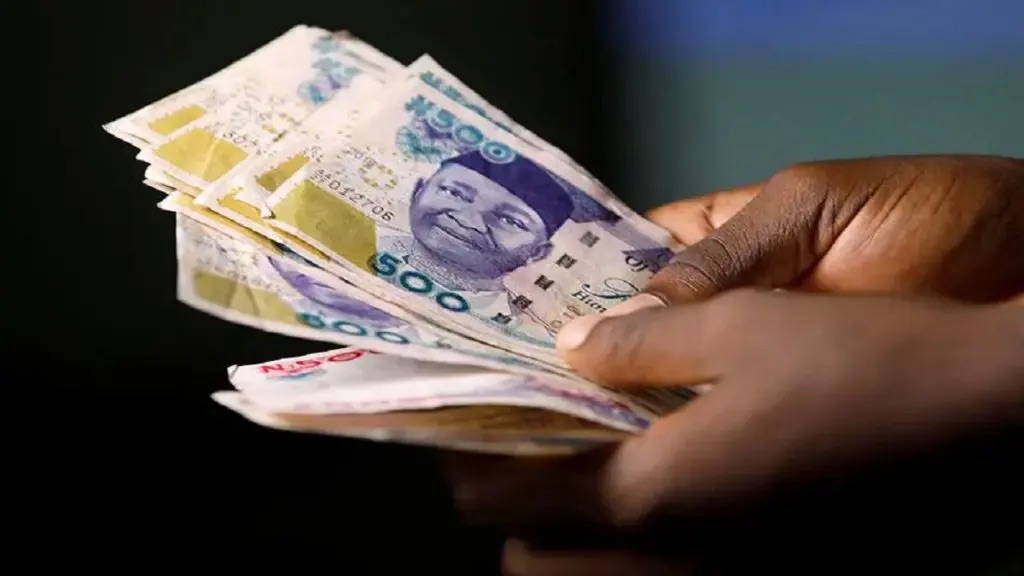
The naira ended 2025 with its first annual appreciation in more than a decade, strengthening 6.5 per cent against the dollar as foreign exchange (FX) reforms by the Central Bank of Nigeria (CBN) began to restore confidence in the currency.
According to data obtained from the apex bank, the naira closed at N1,435/$1 on Dec. 31, compared with N1,535/$1 at the end of 2024, thus represents a 6.51 per cent appreciation.
It was the currency’s first yearly gain since 2012, when it edged higher to N157.29/$1 from N158.99/$1 the previous year. Since then, the naira had weakened every year, making the 2025 rebound a significant psychological and policy milestone.
The rally capped a volatile year in which the currency suffered heavy losses in the first half before staging a sustained recovery in the second. The naira fell to its weakest level in April, closing at about N1,602/$1 as high inflation, strong demand for hard currency and delays in FX inflows weighed on the market.
From May, however, the currency began a gradual rebound. It closed around N1,585/$1 in May and strengthened further to about N1,532/$1 in June. The turning point came in September, when the naira traded below N1,500/$1 for most of the month and ended at roughly N1,478/$1. Momentum carried into October, when the currency touched N1,427.5/$1, before slipping modestly in November to around N1,446.9/$1 and then regaining ground to finish the year near N1,429/$1.
Analysts attribute the turnaround to a mix of tighter monetary policy, improved FX inflows and a sharp reduction in speculative demand following market reforms rolled out by the CBN in 2024.
Those measures unified exchange-rate windows, improved transparency and strengthened price discovery, helping to narrow the gap between the official and parallel market rates to below 5 per cent.
“The improved price discovery mechanism and increased transparency in the FX market helped support the naira in the second half of the year,” said Ade Omotosho, an analyst at Kwik Securities.
The narrowing spread between official and street rates has reduced arbitrage opportunities that had previously fuelled speculation and distorted pricing. With fewer incentives to round-trip dollars between markets, supply-and-demand dynamics have played a more dominant role, giving the apex bank greater control over liquidity conditions.
Despite the positive headline number, economic analysts caution that structural challenges remain. Inflation remains a challenge and Nigeria’s heavy dependence on oil exports continues to expose the currency to swings in global crude prices. FX liquidity, while improved, is still vulnerable to disruptions in foreign portfolio flows and energy production.
Even so, the naira’s performance in 2025 represents a notable break from more than a decade of depreciation and underscores the impact of recent policy changes. After years in which confidence in the currency steadily eroded, the latest data suggest that the central bank’s reform agenda is beginning to gain traction, at least for now.