Follow Us on Google
By Steve Agbota
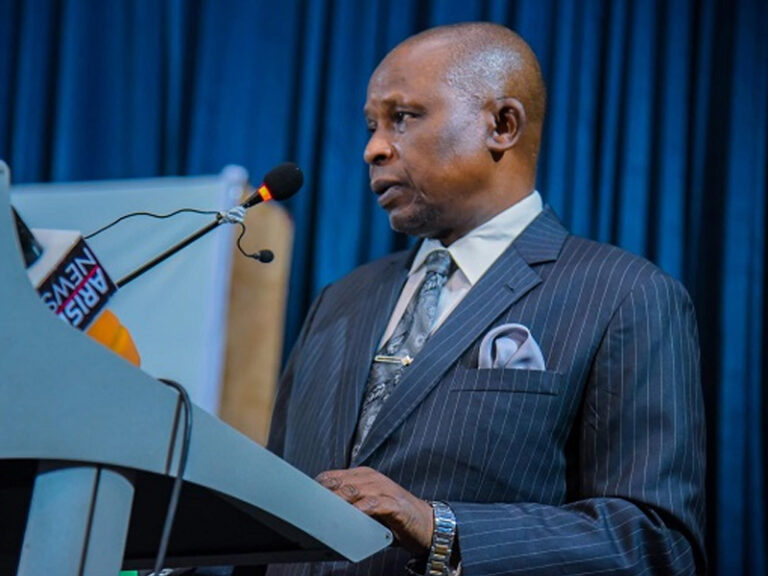
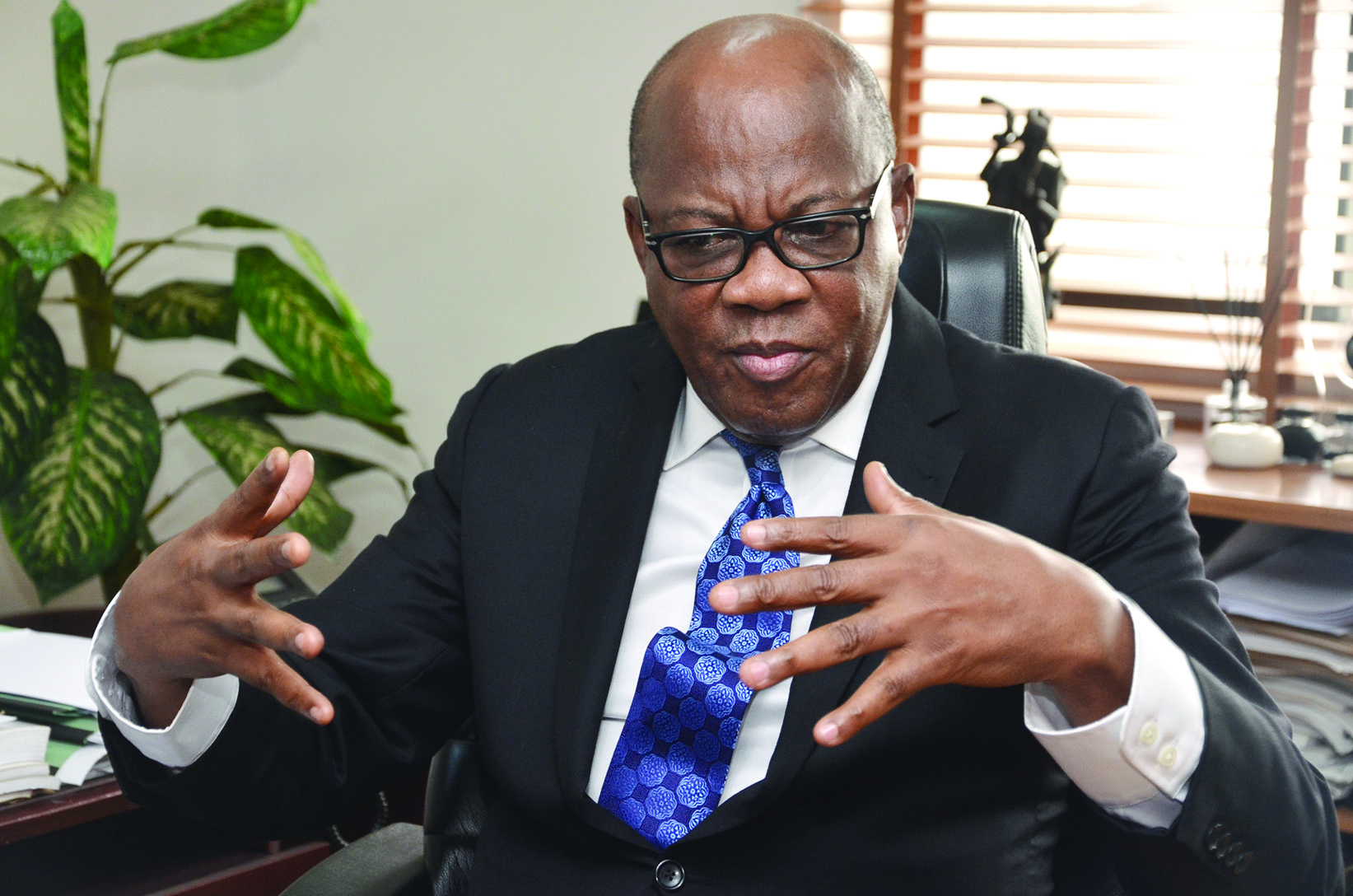
The founder and first President of the Nigerian Shipping Chamber of Commerce and Senior Partner at Olisa Agbakoba Legal (OAL), Dr. Olisa Agbakoba (SAN), has stated that Nigeria incurs an annual loss of N16 trillion in the nation’s oil and gas maritime services.
Agbakoba stated this in a policy statement on: “Legal, Regulatory and Institutional Reform to Pull Revenue to Drive the Marine and Blue Economy.” He said the situation in the oil and gas maritime services presents enormous losses across four critical value chains that exclude Nigerians.
However, he revealed that over $1 billion worth of legal work is lost to foreign firms annually, stating that Nigerian shipping companies are not engaged in lifting the nation’s crude oil products.
“Funds accruable to Nigeria from crude oil production are domiciled in foreign banks and sometimes held for months before remittance to the Central Bank of Nigeria. No Nigerian marine insurance company is involved in insurance underwriting for the over 1,000 oil rigs in Nigerian waters.
“This stands in stark contrast to Saudi Arabia’s successful IKTVA program, which mandates and enforces local content, ensuring value retention within its economy,” he explained.
He said that recapturing these losses requires amending the Merchant Shipping Act (2007) to regulate the shipping industry, ship registration, and safety, and reviewing the legal framework for the carriage of cargo from Free on Board (FOB) to Cost, Insurance, and Freight (CIF) to support the growth of a national fleet.
Other News
He added that there is a need to strengthen enforcement of the Nigerian Oil and Gas Industry Content Development (Local Content Act) 2010 across all excluded value chains, including legal services, shipping, banking, and insurance.
He said that there must be the establishment of the Maritime Development Bank to provide critical maritime assets and financing for indigenous capacity development, as well as developing public-private partnerships (PPPs) in port expansion, inland waterway development, shipbuilding, and maritime infrastructure through tax incentives for investments in sustainable fishing, tourism, and renewable energy.
“Revenue streams include recaptured legal services fees, shipping revenues from Nigerian vessels lifting crude oil, timely remittance of oil revenues to CBN, and marine insurance underwriting fees,” he added.
Moreover, he said the maritime sector is potentially Nigeria’s largest economic sector outside oil and gas, adding that the Nigerian Institution of Marine Engineers and Naval Architects (NIMENA) projects that the maritime industry could contribute approximately $44 billion annually to Nigeria’s GDP with improved governance and regulation.
“However, we are currently losing enormous revenue due to inadequate legal frameworks, poor infrastructure, and insufficient private sector participation.
“The adoption of the National Policy on Marine and Blue Economy (2025–2034) by the Federal Executive Council is most welcome. The policy document contains comprehensive recommendations for legal and regulatory reforms. What is now needed is decisive implementation to unleash the sector’s tremendous potential.
“It is within this implementation context that I write to present specific, revenue-generating interventions that can accelerate the policy’s objectives and deliver quantifiable outcomes within one year,” he said.