Follow Us on Google
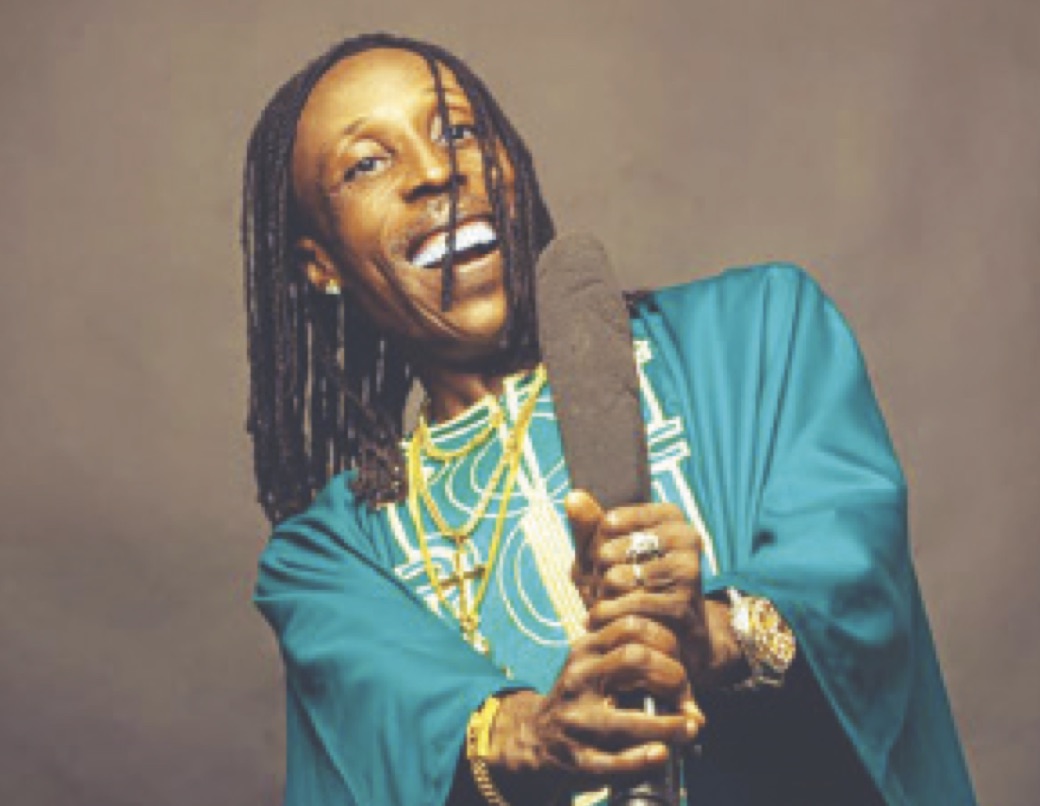
Omileeyan, born Anthony Babajide Omileyan Ojomo, is an Afrobeats musician from Ondo State whose artistry is deeply rooted in Yoruba heritage.
In this interview with Saturday Sun, he discusses his mission to promote African spirituality, unity and cultural pride through a globally resonant sound.
Enjoy!

You describe yourself as “a water guy from the west side.” What does that phrase mean to you spiritually and artistically?
It means I am a full-blooded son of Ondo State, from a riverine area. Everything about my origin is waterflow, depth, and spirit. Spiritually and artistically, it reflects the angelic tone people hear in my voice and the natural fluidity that defines my sound.
Growing up in Ondo State, how did your environment shape your sound and creative vision?
I was born and brought up in Lagos State. Lagos is more or less my home. Living among the Awori people greatly shaped my music, exposing me to diverse rhythms, street consciousness, and cultural fusion that deeply influenced my creative vision.
How has your Yoruba ancestral heritage influenced your music and storytelling?
My Yoruba ancestry profoundly shapes my music and storytelling through rhythmic complexity, tonal language, and oral traditions. It serves as a living archive that bridges the past and the present, influencing genres such as Afrobeats, highlife, folklore, and African bush-centric jazz.
At what point did you realise music was more than a passion, but your calling?
It was when music began to take full control of me physically, mentally, and spiritually. At that point, I knew it was no longer a choice; it was a calling.
Legends like Fela Anikulapo Kuti, Orlando Owoh, and Sikiru Ayinde Barrister have influenced you. What lessons did you draw from them?
They were giants who used music to challenge authority and connect with the grassroots. Fela Anikulapo-Kuti (Abami Eda) taught fearlessness, ideology, and political consciousness.
Orlando Owoh showed discipline, authenticity, and cultural elegance.
Barrister demonstrated innovation, creativity, and social responsibility.
From all three, I learned lifestyle discipline, belief systems, the African cultural mindset, and strong spiritual identity.
How would you define ‘Afro-root revival,’ and what role do you play in it?
Afro-root revival is about moving away from Eurocentric standards and fully embracing African identity which is our heritage, spirituality, and traditions. Through my appearance, movements, and music, I help revive suppressed traditions such as ancestral drumming, Afro-diasporic rhythms, and spiritual expressions.
Your sound blends Afrobeat, folklore, and bush-centric jazz. How did you arrive at this fusion?
This journey defines why I am called Omileeyan. My experience as a Fuji drummer many years ago naturally led me into this sound—a fusion born from life, not theory.
In an era dominated by mainstream Afrobeats, how challenging is it to stay rooted in tradition?
It is highly challenging due to pressure from global pop standards, streaming algorithms, and commercial demands. However, it is possible by using Afrobeats as a vehicle not a limitation while staying rooted in tradition.
What distinguishes Omileeyan from other contemporary Afrobeat artists?
Omileeyan builds upon the foundation of Afrobeat by merging political consciousness with complex musical structures. I prioritize long-form, spiritually driven compositions over short commercial hits, adding depth to the genre’s legacy.
Your music celebrates African spirituality and unity. Why is this important today?
Reconnecting with African spirituality helps restore dignity, identity, and cultural pride after centuries of marginalisation. Unity reminds us of our shared roots and collective strength.
Do you see yourself as an entertainer, a cultural custodian, or both?
Both my music entertains, but it also preserves culture and serves as a tool for African pride and consciousness.
How do you balance preserving tradition while appealing to a global audience?
Like my ancestors before me, I blend traditional elements with contemporary sounds, allowing authenticity to meet global appeal without dilution.
What does cultural pride mean to you personally?
Cultural pride is my compass. It reminds me of where I come from and guides how I move forward in life.
Congratulations on your two-track release All We Wait for and Sisi Pelebe. What inspired them?
Divine timing, done by the grace of the Most High God.
Sisi Pelebe reflects daily life. What inspired the lyrics?
The hard-working women of Nigeria; their everyday lifestyles, and the vibrant Owambe culture that fills our weekends.
How did the collaboration with Yinka Davies come about?
Through my humble boss, Bolaji Agboola, CEO of Africanqueen Entertainment, based in Germany.
What message should listeners take from All We Wait For?
A call to rekindle love, helping others, offering a helping hand, and wiping away tears from children’s eyes.
Can you tell us about your love life, married or single?
I have a lovely woman in my life ‘Enimofemi’, my one and only Mrembo.
How do you handle female fans who throw themselves at you?
I know my boundaries, and I stay in my lane.
If you could collaborate with artists aligned with your cultural vision, who would they be?
African: Asa, Burna Boy, Terry Apala, Lagbaja, TeeMac, Alikiba, Harmonize, Rayvanny. International: Tracy Chapman.