Follow Us on Google
We must understand that cultural attitudes shape coping more than we often realize. In societies where women are expected to be endlessly resilient, stress is internalized and silence becomes the norm. Conversely, cultures that encourage open dialogue about mental health enable healthier coping strategies—seeking support, setting boundaries, and sharing responsibility.
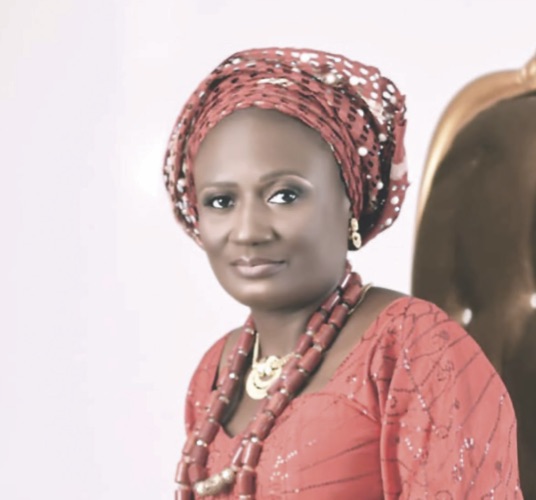
This was the view of Mary Momoh, social impact advocate and convener, Distinction Ladies Foundation. She was speaking on the need for cultures to encourage open dialogue about mental health which also enables victims to seek support and share feelings with people who will treat it as a collective responsibility with a view to create healthier coping strategies.
She spoke to Daily Sun recently.
who has worked for over 17 years empowering and caring for society’s most vulnerable—children, girls, youths, widows, and the elderly.
In a recent interview with Daily Sun, she shed light on the pressing issues facing women today, particularly the prevalence of depression caused by marital challenges, and emphasized the importance of women finding purpose beyond traditional roles.
The rate at which women especially, stay at home mothers for into depression has increased recently due to marital issues.
How should this be addressed?
The pressure women face, especially at the home front, can be overwhelming, and addressing this requires a multifaceted approach. Women should be encouraged to seek emotional support and professional counseling when necessary, to help them cope with marital issues and societal expectations.
There should be a collective effort to promote open communication within families, fostering understanding and unity. Additionally, women must be empowered through education, skill acquisition, and career development, so they can have a sense of purpose and independence beyond being stay-at-home mums.
Societal attitudes also need to shift, recognizing and valuing women’s contributions both inside and outside the home. Ultimately, creating a supportive environment where women are encouraged to pursue their passions and receive adequate support will help alleviate the pressures they face and promote their overall well-being.
In your view, what societal changes are necessary to better support women facing emotional and psychological challenges?
First, mental health must be treated as a public good, not a private burden. This means affordable, accessible counseling and psychological care, integrated into primary healthcare and workplaces.
Also, we need policies that recognize women’s disproportionate emotional labour, paid parental leave, flexible work arrangements, and reliable childcare are not “benefits,” but necessities. Finally, social narratives must shift: women should not be praised solely for endurance and sacrifice. Normalizing vulnerability, rest, and help-seeking is essential to genuine psychological well-being.
Can you emphasized the importance of women finding purpose beyond traditional roles and how can women today discover and pursue these new avenues of purpose?
Purpose often emerges where curiosity meets contribution. Women can begin by asking not “What is expected of me?” but “What problems do I care about?”
Education formal or informal, it plays a key role, as does mentorship and exposure to diverse role models. Also, one should have permission to explore to change direction and to define success on one’s own terms. Societies that value lifelong learning, entrepreneurship, creativity, and civic engagement give women the space to build identities that extend beyond prescribed roles.
Can you tell us what role do cultural and societal attitudes play in how women cope with pressure and stress?
We must understand that cultural attitudes shape coping more than we often realize. In societies where women are expected to be endlessly resilient, stress is internalized and silence becomes the norm. Conversely, cultures that encourage open dialogue about mental health enable healthier coping strategies—seeking support, setting boundaries, and sharing responsibility.
Moreover, media representation, family expectations, and workplace norms all signal what is “acceptable.” When these signals affirm women’s full humanity rather than idealized perfection, coping becomes collective rather than isolating.
The benefits extend far beyond women themselves. Healthier women mean healthier families, more innovative workplaces, and more resilient communities. When women are supported emotionally and psychologically, they participate more fully in public life—not out of obligation, but out of choice and purpose. In the long run, supporting women’s mental well-being is not just a moral imperative; it is a cornerstone of sustainable social progress.
What advice do you have for parents to raise their children with strong morals amidst societal moral decadence?
Parents should serve as positive role models by demonstrating integrity, honesty, and respect in their daily lives. It’s important to establish clear boundaries and consistent discipline to teach accountability. Engaging children in open conversations about values, the consequences of vices, and the importance of morals helps them understand right from wrong.
Encouraging participation in constructive activities such as community service, sports, or religious practices can also reinforce good character. I equally think if parents can foster an environment of love, trust, and guidance ensures children feel supported and motivated to uphold moral standards.
Other News
How can parents effectively guard their girl children from being raped or defiled?
Parents can take proactive steps such as educating their girls about body safety and boundaries, teaching them to recognize inappropriate behavior, and encouraging open communication. It is important to foster a trusting environment where children feel safe to share any concerns or incidents.
What measures can parents implement at home to prevent minors from being defiled?
Parents should supervise their children’s activities, monitor their online interactions, and set clear rules about privacy and appropriate behavior. Using age-appropriate safety tools and keeping an open dialogue about dangers can help children understand and avoid risky situations.
Education is crucial. Teaching children about their rights, body autonomy, and how to say no empowers them to recognize and resist inappropriate advances. Additionally, educating parents and caregivers about signs of abuse enables early intervention.
What role do community and government play in safeguarding minors from defilement?
Communities and governments can create awareness campaigns, enforce laws against abuse, and establish support systems like counseling centers and safe spaces. Collaboration among stakeholders is essential to create a protective environment for minors.
Encouraging children and adults to report abuse without fear of stigma is vital. Establishing accessible reporting channels, ensuring prompt investigation, and holding perpetrators accountable send a strong message that abuse is unacceptable and will be addressed.
Furthermore, parents should act immediately by seeking medical attention, reporting the incident to appropriate authorities, and providing emotional support to the child. Professional counseling and legal action are also important steps to ensure justice and recovery.
Give us a sense of your journey and what inspired you to establish the Distinction Ladies Foundation
My journey began with a deep passion for empowering women and creating positive change in our communities. Witnessing the challenges faced by many women and girls inspired me to take action. I wanted to create a platform where they could access education, resources, and support to thrive.
The idea of establishing the Distinction Ladies Foundation was born out of a desire to make a tangible difference, foster leadership, and promote sustainable development among women. When I started it was just me because of my passion for charity growing up. We came 10 women and today we have grown to become 23 in numbers. It is not even about the size. But impact. We have been doing charity for less privileged in our society that includes the most vulnerable persons in the society, children, girls, youths, widows and aged. Some of the elderly people do not have caregivers around them so we do assist them.
Over the past 17 years, what have been some of the most impactful moments or success stories from your charitable work?
For the last 17 years, some of the most impactful moments include seeing women graduate from our empowerment programs, many of whom have gone on to start their own businesses or take on leadership roles in their communities. We distributed school bags and some stationaries
Awarding scholarships and visiting orphanages. We visits orphanages three times every year and make donations of cash and food items.
Witnessing these transformations and knowing we played a part in their journeys has been incredibly fulfilling. These moments reaffirm our mission and inspire us to continue our work.
Society view children with bad moral behaviour as a mother’s negligence of duty. Do you believe that it is a woman’s duty to raise a child with positive manner?
It is the responsibility of both parents to raise their children properly but the duty of the children to end up with good morals.
The idea that it is solely a woman’s duty to raise a child in a positive manner is complex and often a debated topic. While mothers play a significant role in shaping a child’s values, behavior, and emotional well-being, raising a child is a shared responsibility that involves both parents and the community at large, they should teach them good morals. They will turn out positively, even if there are peer pressures.
It is important to recognize that children learn from their environment, including how their parents, teachers, peers, and society at large behave. When children misbehave, it often reflects a combination of influences, not just the actions or shortcomings of the mother. Blaming only the mother, especially in cases where the child is a girl, can be unfair and perpetuate gender stereotypes that place the entire burden of child-rearing on women.
Raising a child positively involves consistent guidance, love, discipline, and education from both parents and caregivers. Society should support parents in their role rather than unfairly criticize or blame one gender. It is also essential to promote gender equality, recognizing that both men and women are equally responsible for nurturing and guiding children.
Mothers undoubtedly have a crucial role, raising a well-behaved, responsible, and compassionate individual is a collective effort. Society benefits when both parents and communities work together to nurture children in a positive and supportive environment.