Follow Us on Google


Stakeholders have called on public and private sector organisations to introduce workplace policies and support systems for women experiencing perimenopause and menopause to protect their wellbeing and improve productivity.
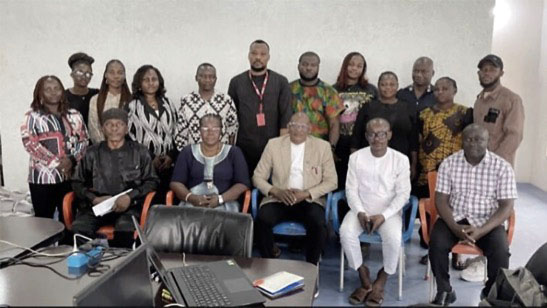
The call was made at the launch of ‘Menopause At Work Africa,’ organised to commemorate the World Menopause Day on October 18.
Speaking at the event, the convener of the initiative, Erefa Coker, urged employers to urgently introduce policies that address the challenges faced by women navigating perimenopause and menopause.
Themed, ‘Menopause Unmuted, Chronic Pain at Midlife,’ the gathering highlighted the need to break the silence surrounding menopause and promote supportive workplace environments for the affected women.
Coker said many women experiencing perimenopause and menopause were at the peak of their careers, occupying senior positions as executive directors and other organisational leaders, yet the challenges associated with the natural biological transition remained largely unspoken.
She explained that the fear of stigmatisation and concerns about being perceived as less relevant to their organisations often prevented women from discussing their symptoms or seeking support.
According to her, while organisations had increasingly recognised the needs of younger employees and women during maternity, similar attention is rarely given to those experiencing perimenopause and menopause.
“Women spend most of their working hours in the workplace, from Monday to Friday, dealing with these symptoms. We want organisations to support women going through every cycle of life,” she said.
She explained that the initiative was established to encourage open conversations, improve access to reliable information and help employers understand how menopause could affect women’s professional lives.
She said it is also promoting awareness through its Menopause Unmuted podcast and other information resources tailored to the experiences of African women.
She stressed the importance of educating women about perimenopause before symptoms begin, noting that early access to information could help them understand and manage the changes associated with the transition.
Coker called for menopause education to be incorporated into existing conversations about menstruation and other stages of women’s reproductive health.
Also speaking, the Chief Executive Officer of HealthCentral Pharma Limited, Bukky George, shared her personal experience of perimenopause, describing it as a hormonal transition that could produce multiple symptoms and significantly affect women’s daily lives.
George, who said she was in her mid-50s, advised women to seek medical attention rather than automatically attributing every health challenge to menopause.
She explained that the wide range of possible symptoms could make it difficult to determine their actual causes without appropriate medical assessment.
George recommended healthy eating, regular exercise and weight training to help women maintain their wellbeing during the transition.
She cautioned against self-medication, stressing the importance of consulting medical professionals for proper diagnosis and treatment.
Similarly, the Director of Business Operations at Fidson Healthcare PLC, Adejoke Alli, said greater awareness among employers and employees was necessary to improve the management of menopause-related challenges in the workplace.
Alli urged organisations to create environments where women could openly discuss their experiences without fear of discrimination or judgement.
She noted that a better understanding of the challenges affecting female employees would enable organisations to provide appropriate support, improve staff wellbeing and sustain productivity.
She added that employers needed to recognise the different stages of women’s lives and develop more inclusive workplace practices.
Participants expressed hope that increased awareness would encourage more women to seek reliable information, share their experiences and access appropriate support as they navigate perimenopause and menopause.