Follow Us on Google

More than 100 years after the discovery of insulin, millions of people living with type 1 diabetes still lack access to the lifesaving medicine, prompting the World Health Organisation (WHO) to issue its first-ever guidelines on the diagnosis and management of the condition in adults.
The guidelines, released to mark World Diabetes Day 2026, provide evidence-based recommendations to improve diabetes care and ensure access to affordable insulin, including in low-resource, emergency and humanitarian settings.
WHO said an estimated 9.5 million people were living with type 1 diabetes globally in 2025, with another 500,000 diagnosed within the year, warning that the condition, often associated with childhood, is increasingly affecting adults.
Type 1 diabetes is a lifelong condition in which the body produces little or no insulin, leaving affected persons dependent on daily insulin treatment to survive.
The new guidelines outline recommendations on diagnosis and classification, insulin regimens and delivery methods, monitoring of blood glucose levels and self-management of the condition.
WHO strongly recommends intensified insulin therapy involving multiple daily injections, with doses adjusted according to blood glucose levels, to help patients achieve better control of the disease.
It, however, recognises that treatment approaches may need to be adapted to local realities, particularly in emergencies and humanitarian settings where access to healthcare services and essential medicines may be disrupted.
The global health agency also recommends human insulin as an effective and generally cheaper treatment option, while noting that insulin analogues can be used when necessary.
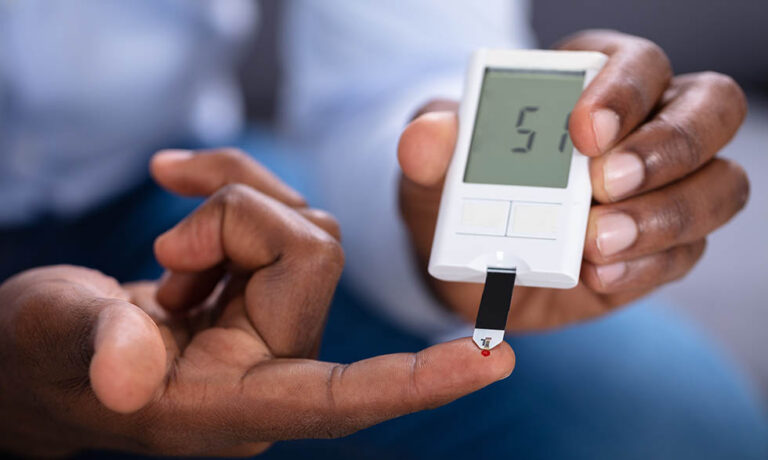
On monitoring, WHO recommends regular blood glucose checks, including laboratory tests to assess average blood sugar levels over several months and home monitoring through finger-prick tests or continuous glucose monitors.
Where blood glucose testing is unavailable, urine glucose testing may be considered.
According to WHO, the recommendations are intended primarily for healthcare providers but will also guide policymakers, programme managers and humanitarian organisations in strengthening equitable and person-centred diabetes care.
Speaking on the guidelines, Director, Noncommunicable Diseases and Mental Health, WHO, Dr. Soren Brostrom, lamented that despite the discovery of insulin more than a century ago, many patients with type 1 diabetes still struggle to obtain affordable, quality treatment.
“Insulin is a lifesaving treatment, discovered more than 100 years ago. Yet many people with type 1 diabetes do not have access to affordable and high-quality insulin,” he said.
Brostrom said the guidelines would help countries deliver effective treatment, including in settings where resources were limited and health services disrupted.
WHO said it would support countries with practical tools and guidance to translate the recommendations into action and monitor progress, urging governments to involve people living with type 1 diabetes in designing, implementing and evaluating diabetes programmes.
The initiative is also expected to advance WHO’s global diabetes coverage target of ensuring universal access to affordable insulin treatment and blood glucose self-monitoring by 2030.
The 2026 World Diabetes Day is themed, “Early action on diabetes,” amid growing concerns over the rising global burden of the disease and its potentially devastating complications.
Diabetes can cause blindness, kidney failure, heart attacks, stroke and lower-limb amputation when not properly managed.
WHO said the global burden of diabetes had more than quadrupled since 1990, with an estimated 830 million people living with the condition worldwide in 2022, the majority of them having type 2 diabetes.
It added that more than 40 per cent of people living with diabetes globally were unaware they had the condition, leaving many undiagnosed and at risk of complications.