Follow Us on Google
• We won’t stop until medical conditions stop arising –Anyaegu
By Ngozi Nwoke
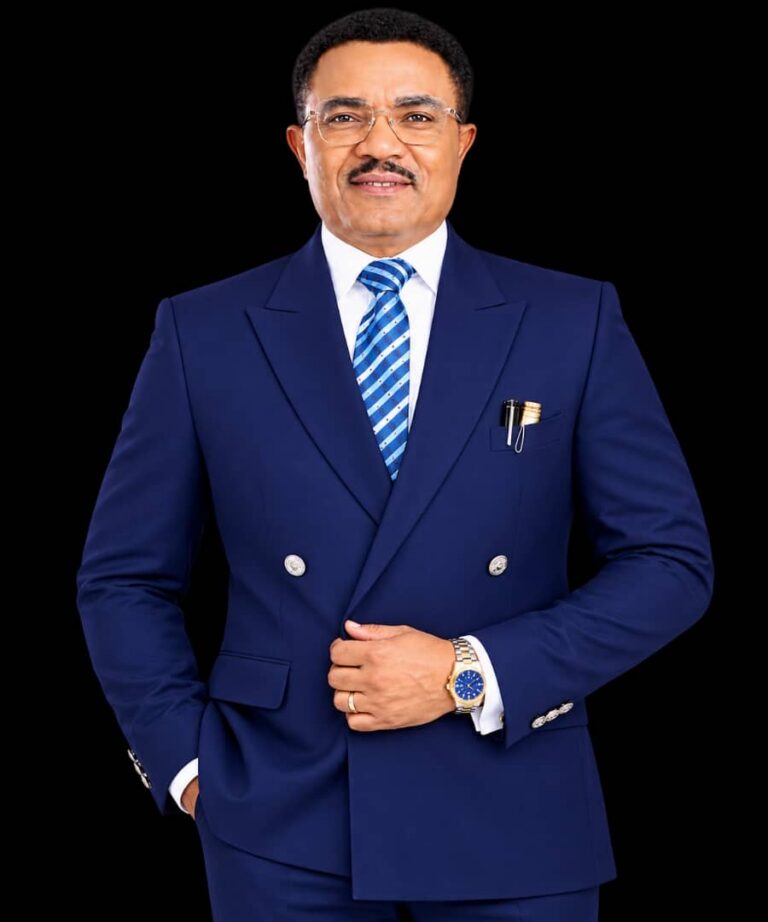
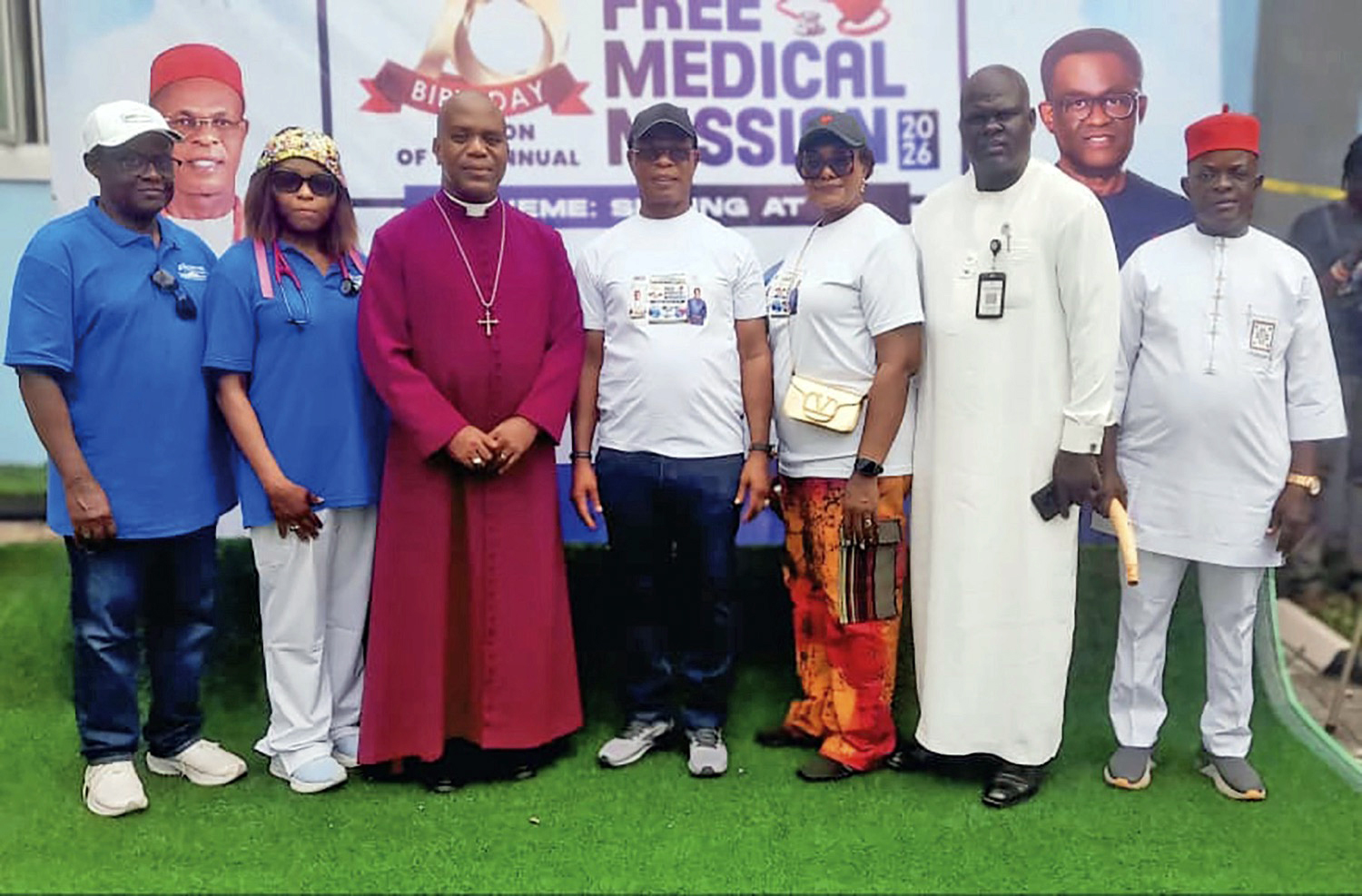
For 13 years, the Amichi community in Nnewi South Local Government Area of Anambra State has enjoyed free medical outreach sponsored by Chief Chidi Anyaegbu, the executive chairman of Chisco Group of Companies.
It is a philanthropic gesture that runs for three days every year. At this year’s medical mission, which began on Wednesday, June 24, no fewer than 1,000 residents from far and wide were screened and treated of different ailments with many getting a second chance to live normal lives again.
The 2026 edition, which is part of the celebration of Anyaegbu’s 70th birthday, took place at the Pat-Angelina Memorial Hospital.
As early as 7:00 a.m. on Wednesday, many residents were already lined up for medical attention by 50 medical personnel from different parts of the world including the United States of America, Ghana, and Nigeria. Among them were surgeons from Houston, ophthalmologists from Accra, and physicians from Enugu and Onitsha in Anambra State.
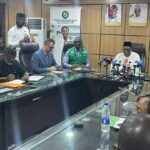
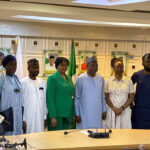
The Anambra State Commissioner for Health, Afam Obidike, after touring the hospital, noted that the scale of the operation was unlike most outreach programmes he had witnessed across the state.
“What Chidi Anyaegbu is doing is complementing the state’s healthcare plan. We are impressed with what he is doing and will continue to associate with him. We are studying how this model of volunteer doctors and community mobilisation can be scaled to other LGAs. The free drugs, the surgeries, and the record-keeping are how you run an outreach that respects people’s dignity.”
Obidike added that the state ministry had documented three things from Amichi that could strengthen public hospitals –first, the pre-screening system that sorted patients by urgency before doctors saw them; second, the pharmacy model where High Blood Pressure drugs, diabetes medication like metformin, eye drops for glaucoma, antibiotics, and vitamins were dispensed with clear dosage instructions; and third, the data system that tracked each patient for 6-month follow-up, reducing cases of people being lost after surgery.
“This is not just charity. This is structured healthcare delivery. We already have primary health centres in Nnewi South, but what we saw here is how to pull community trust, volunteer expertise, and private funding together. We will replicate this to reduce pressure on general hospitals.”
He disclosed that the ministry will meet with the sponsor to draft a partnership framework.
Obidike added: “The surgeries mean people don’t have to live 10 years with goitre or hernia because of unaffordable hospital bills. That is the kind of healthcare Anambra people deserve.”
The Speaker of the Anambra State House of Assembly, Somtochukwu Nkem Udeze, was also on the ground and stated that philanthropy of this magnitude can only occur when a man’s heart is connected to his community.
“I have known Chidi Anyaegbu as a man who is always concerned about the needs of the common people. Seeing people treated free and surgeries done without bills challenges us to pass laws that make healthcare access easier for rural communities.
“Chief Anyaegbu has set a standard we must follow for the good of Anambra people. I encourage him to continue this good work, and humanity will never forget him. I encourage others to replicate the same work.”
Bond Anyaehie, the Vice Chancellor of Nnamdi Azikiwe University, UNIZIK, noted that charity for humanity is not just giving alms but giving it with a good intention and not for public applause. The don watched with amazement as the 50 doctors performed cataract, goitre, and hernia surgeries.
“What we witnessed today is charity at its highest form. True charity for humanity moves beyond handouts. It builds capacity, it trains the next generation, and it tells the sick man that his life matters even if he has no money.
“Chief Anyaegbu brought free HBP drugs, diabetes medication, eye drops, antibiotics, and vitamins. But more than the drugs, he brought hope. When you see a 68-year-old woman regain her sight for free or a man walk without hernia pain after years of suffering, you understand the impact of what he did for his community.
“He has shown that private citizens can be partners in national development. If more sons and daughters of Anambra adopt this model of charity, which is structured, consistent, and people-cantered, then our communities will heal. That is charity for humanity, and we are proud to stand with it.”
The Bishop of Nnewi Diocese, Rt. Rev’d Ephraim Okechukwu Ikeakor, who said the opening prayer, described the medical outreach as a “living sermon of Christ’s compassion in our time. What we see here is love made visible. When Chidi Anyaegbu shows this level of love without collecting a fee, he is answering the command of Scripture.
“The Bible says in 1 John 3:17-18, if anyone has material possessions and sees a brother or sister in need but has no pity on them, how can the love of God be in that person? Dear children, let us not love with words or speech but with actions and in truth.
“This is action. This is the truth. This is love for humanity. Christ went about healing the sick and feeding the hungry freely, and today Amichi has felt that same love by Chidi Anyaegbu. When we care for the body, we also tell the soul that it is valued by God. May God continue to bless the hands that give, and may this 13th outreach remind us all that to love our neighbour is to bear their burden.”
In response, Anyaegbu said, “Every year, we try to do better than what we did the previous year. Government cannot do everything alone. If God has blessed my hands, my community must feel it. This is the 13th time, and we will not stop until the need stops. What has sustained this outreach for years is purpose – a deep, stubborn purpose to see my people live with dignity.
“That purpose was born right here in Amichi. I grew up seeing people suffer in silence. My mother didn’t get the best medical care because of the non availability of good medical services in my community. Today, God has blessed me through business, and I’m blessing my community in return.
“Every free dose of anti-hypertensive, every bottle of metformin, every eye drop, every surgery without a bill is purpose in action. It tells the poorest person that their life counts, that their pain matters, that they are not forgotten.
“As long as Amichi has pain, as long as a mother cries at night because she cannot afford medicine, we will keep coming. Year 13 is done. Year 14 planning has already started. We will not stop until the needs stop.”
The pharmacy was filled with boxes of anti-hypertensive drugs for HBP, metformin, and glimepiride for diabetes, amoxicillin, paracetamol, multivitamins, and eye drops for glaucoma and infections.
Three fully equipped operating theatres were set up inside mobile surgical units. Different types of surgeries –cataract and pterygium eye surgeries, goitre removal, hernia repair, fibroid removal, appendix, and minor tumour excisions.
The impact of the outreach was evident in the voices of the people it helped. For many, years of pain, shame, and poor sight ended in just three days of free medical care.
Mrs. Theresa Okeke, 68, spoke in tears after a cataract surgery was carried out to restore her sight.
“I could not see my grandson’s face for two years. Cataracts covered both eyes. Today, after the surgery, I saw him, and I cried. They gave me eye drops and glasses for free. God bless Chidi Anyaegbu.”
Chukwudi Eze, who lived for years with goitre, said the stigma was worse than the pain. “This thing on my neck has made people call me names since secondary school. I was afraid of surgery because of money. The Ghanaian doctor removed it in one hour. Now I can hold my head high. The medicine for aftercare was also free.”
For Sunday Okafor, the pain of hernia had made every moment of his life miserable.
“I was in pain each time I drove from Nnewi to Onitsha. I thought I would die with it. The Nigerian and American doctors operated on me, and they told me I could return to work in three weeks. They gave me painkillers and antibiotics without collecting one naira.”
In Amichi, people now talk about the medical outreach as the week that changed everything. They could walk without pain, and they felt loved, like their community still cared about them.
For many, it was the first time in years they slept without worry. The free drugs, the surgeries, the doctors who treated them with respect, it all made them believe that help can still come, and that they will never be abandoned.