Follow Us on Google
…demands local-language broadcasts, stronger health reporting, accountability
From Fred Ezeh, Abuja
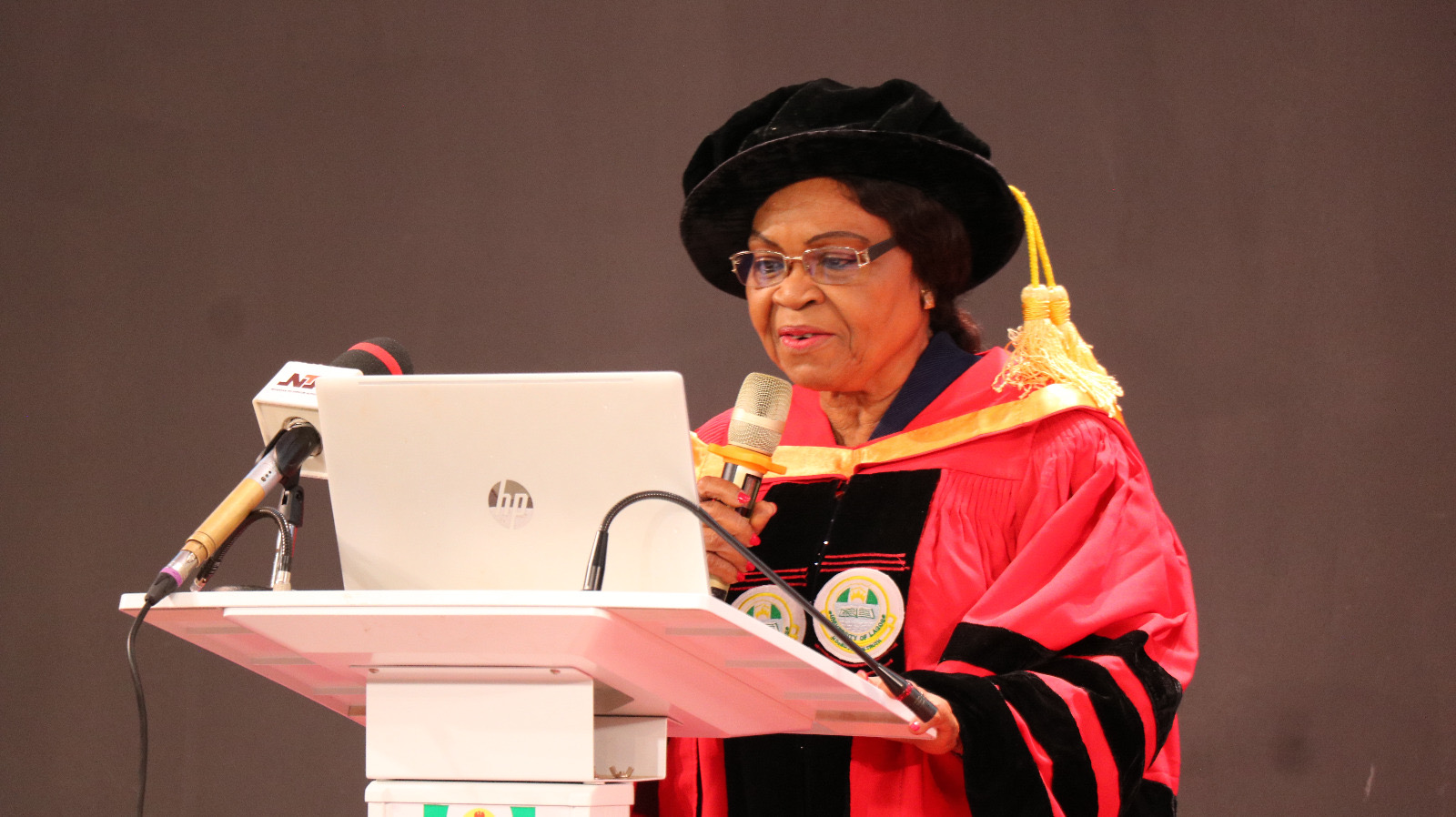
A Professor of Mass Communication at the National Open University of Nigeria (NOUN), Henrietta Chidinma Onwubere, has charged the media to play a more strategic role in promoting and protecting the health rights of women and children across the country.
Prof. Onwubere made the call on Thursday while delivering the university’s 42nd Inaugural Lecture, titled, “Bridging the Airwaves and Lifelines: Broadcasting, Healthcare Journalism and the Struggle for Maternal and Child Health Rights in Nigeria,” at the NOUN headquarters in Abuja.
She said the media must move beyond entertainment and routine news reporting to become a powerful instrument for public education, advocacy and accountability, particularly on issues affecting maternal and child health.
She said access to healthcare goes beyond the availability of hospitals, medical facilities and health workers, stressing that citizens must also have access to accurate, timely and easily understandable information about their health and healthcare rights.
The professor said effective health communication could empower citizens, particularly women and vulnerable groups, to understand their rights and demand accountability from relevant authorities.
She advocated increased broadcasting in local languages to ensure that critical health information reaches people who may not understand English, while also calling for stronger collaboration between media organisations and health institutions.
Onwubere further urged journalists to adopt more empathetic and people-centred approaches to health reporting, saying the media had a responsibility to ensure that the voices and experiences of women and children were reflected in discussions around healthcare.
She also raised concern over the growing spread of misinformation on digital platforms, urging journalists and communication students to strengthen their fact-checking and verification skills.
She warned that inaccurate health information could undermine public understanding of healthcare interventions and frustrate efforts to improve maternal and child health outcomes.
The don called on government and other stakeholders to invest in media capacity-building and provide greater support for specialised healthcare journalism, thus urging policymakers to place the interests of women and children at the centre of communication strategies and policy interventions.
Onwubere further appealed to NOUN management to strengthen practical training facilities for mass communication students, stressing that hands-on experience was essential to quality professional education and compliance with standards prescribed by the National Universities Commission (NUC).
She said students needed adequate practical exposure to broadcasting and journalism to prepare them for the demands of the profession and enable them to contribute effectively to national development.
Vice-Chancellor of NOUN, Prof. Uduma Oji Uduma, represented by the Deputy Vice-Chancellor (Administration), Prof. Shehu Usman Adamu, described inaugural lectures as important platforms through which scholars share research findings and propose solutions to societal challenges.
He commended Onwubere for drawing on her multidisciplinary background in nursing, education, law and mass communication to examine the critical issue of maternal and child health.
The Dean of the School of Postgraduate Studies, Prof. Sonnie Oniye, who delivered the closing remarks, praised the lecture for connecting academic scholarship with practical societal concerns.
He said the lecture had deepened public understanding of the role of communication in national development and highlighted the importance of the media in addressing critical health challenges.