Follow Us on Google
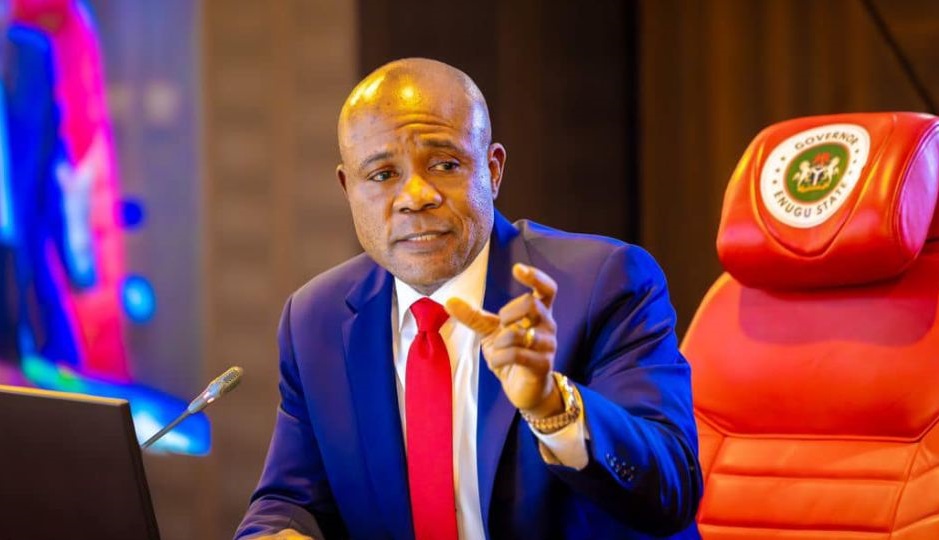
Enugu State governor, Dr. Peter Mbah, has inaugurated a committee to carry out a comprehensive review of tax policies, rates, levies, and fees under the control of the state.
According to the government, the committee, which has two weeks to carry out its assignment, would benchmark Enugu State’s revenue practices against Lagos, Abuja, and other South East states as they relate to Land Use Charge, Certificate of Occupancy (C-of-O) fees, market levies and stall rents, business premises registration, signage and advertisement fees, among others, and recommend reforms to improve compliance, fairness, transparency, and revenue efficiency.
The nine-man committee, which has the Solicitor-General of Enugu State, Ikechukwu Ezenwukwa, as chairman, and the Senior Special Assistant to the Governor on Revenue Mobilisation, Adenike Okebu, as secretary, comprises members drawn from interest groups, market associations, government, organised labour, and the civil society. They are the Chairman, Trade Union Congress, Enugu State chapter, Comrade Ben Asogwa; Chairman of State Market Association, Chief Chinwuba Igwesi; Head of Legal, Enugu State Inland Revenue Service, Ngozi Ezema; Senior Special Assistant to the Governor on Markets, Chief Chinedu Mbah; 1st Deputy President, Enugu Chamber of Commerce, Industry, Mines and Agriculture (ECCIMA), Nnanyelugo Onyemelukwe; Deputy Council Chairman and representative of the Association of Local Governments of Nigeria (ALGON), Enugu State, Hon. Paul Okwo; and representative of the civil society, Crownwell Chibuzo.
Other News
Inaugurating the committee at Government House, Enugu, on Friday, Governor Mbah, who was represented by the Secretary to the State Government, Prof. Chidiebere Onyia, said that the committee was initiated in response to various public complaints relating to taxes and state-controlled revenue heads.
He added that the committee’s terms of reference included: “Review existing harmonisation/consolidation laws and other revenue-related laws in Enugu State; review the implementation of such laws and their impact; identify and evaluate all revenue heads under the control of Enugu State (excluding federally administered taxes like VAT and Stamp Duties); identify all areas of duplication and multiple taxation across the state, including the local government; examine the impact of the expansion of the tax bracket and issues of a culture of non-tax payment; and assess the fairness, transparency, and efficiency of current tax rates and collection processes in Enugu.”