Follow Us on Google
By Peace Ologun
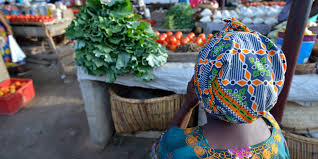
Before dawn breaks, Mrs Onome Isaac, popularly called ‘Mama Daniel’ in her neighborhood in Ketu, is already on her way to the market. For her, survival in trade depends on preparation. “I go to the market early in the morning to buy goods to meet customers’ demand. If I don’t have goods for the next day, I make sure I get them down today,” she said, adjusting her wares.
Her routine reflects the daily hustle of countless Nigerian market women, who balance rising costs with the need to keep customers satisfied. For them, running a stall is not just about selling foodstuff, it is about building trust.
Another trader, Mama Sarah, stressed the value of human connection. “Trading is not only about having goods but also about building relationships. “When customers come, you greet them and you approach them well. That’s how you maintain a good relationship and keep them,” she explained.
But these relationships are constantly tested by Nigeria’s fluctuating fuel prices, which ripple through transportation and goods costs. “In Nigeria, prices are not normal. The moment fuel increases, transportation increases, and it affects the price of goods. This determines our profit,” Mama Sarah lamented.
Despite these challenges, traders go the extra mile, sometimes literally. They source goods from different markets to secure better prices. “Foodstuffs at Mile 12 are sometimes cheaper than in other places. That’s why we go to different markets,” Mama Sarah said.
For Mama Daniel, bulk buying is a strategy for survival. “There are things you see in one market that you won’t see in another. Some are cheaper when you buy in bulk, so I buy in large quantities and store them,” she explained.
Even as profit margins shrink, the resilience of these women sustains the flow of food from rural farms to urban homes. Their persistence is a quiet testimony to survival and hope.
But goodwill alone cannot shield market women from the harsh reality of rising costs. Fuel price hikes, which ripple quickly through transportation, almost always dictate how much traders spend, and how much customers pay.
For many, the pressure is relentless. Some customers will pay despite higher prices, but others hesitate. “Some customers don’t mind the price; they will buy what they want. Others may need persuasion, but they still buy because of the value they get,” Mama Daniel said.
To stretch their limited profits, traders often travel from one market to another, chasing better prices and sourcing unique products. “Foodstuffs at Mile 12 are sometimes cheaper than in other places. That’s why we go to different markets,” Mama Sarah explained.
Mama Daniel added another layer to the struggle. “There are things you see in one market that you won’t see in another.
Some are cheaper when you buy in bulk, so I buy in large quantities and store them,” she noted.
For these women, every increase in fuel price translates into thinner margins, tougher negotiations, and higher stress. Yet they persist, adapting with creativity and sheer grit. From waking before dawn to scouring multiple markets, their efforts keep food flowing from rural farms to urban kitchens.
As Mama Sarah put it simply: “Even if the price is high, we will still sell. You just have to find a way. Tomorrow will be better.”
In their quiet resilience lies not just a story of struggle, but one of endurance, hope, and the unbreakable spirit of Nigeria’s market women.