Follow Us on Google
By Adewale Sanyaolu
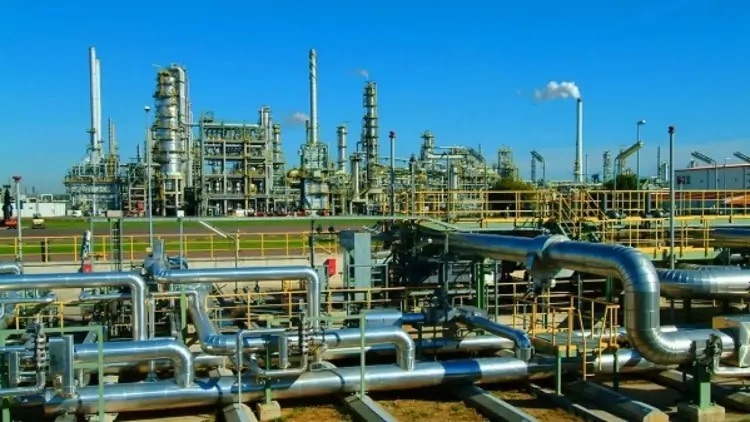
Dangote Petroleum Refinery currently faces fierce competition as 23 new refineries near completion across various development stages.
The new refineries are also to add over 850,000 barrels per day (bpd), to boost refining capacity, a number which is higher than the daily capacity of the Dangote refinery by 200,000 bpd.
The latest refining details are contained in the review of Nigeria’s petroleum sector for 2025 and prospects for 2026, jointly signed by the National President of National Public Relations Officer of the Petroleum Products Retail Outlets Owners Association of Nigeria (PETROAN), Billy Gillis-Harry and Joseph Obele.
The association added that there were cumulatively over 30 refinery licenses, largely modular and medium-scale, that have been issued since the Petroleum Industry Act (PIA) came into effect.
Of this number, it disclosed that about 23 refineries were actively under different stages of development.
It added that, when completed, these plants are projected to add over 850,000 barrels per day to Nigeria’s domestic refining capacity, complementing the Dangote Petroleum Refinery and reducing reliance on imports.
Dangote refinery has indicated plans to increase its refining capacity from 650,000 bpd to 1.4 million bpd by 2028 using advanced technology from partners like Honeywell, aiming to become the world’s largest refinery and bolster Africa’s energy independence.
At the moment, there are arguments that the Dangote refinery was yet to ramp up production to 650,000 bpd due to constraints which included lack of feedstock among operational setbacks.
On the Naira-for-Crude, a policy introduced to reduce pressure on foreign exchange demand and support domestic refining by allowing crude oil allocated to local refineries to be paid for in naira instead of dollars, injected approximately 250,000 – 300,000 barrels per day of crude oil to domestic refineries in 2025 which helped ease foreign exchange demand for petroleum importers and supported local refineries with steady crude feedstock, encouraged greater participation of private refiners in the domestic market, aiming to reduce dependence on imports.
It stressed that the policy also provided a framework for better price stability, as refineries could plan operations with a guaranteed crude allocation.
However, the association identified implementation gaps which included; delays and inconsistencies in crude allocation as some of the setbacks which affected refinery operations.
PETROAN equally identified pricing disputes as another drawback, saying some refiners reported that the naira pricing mechanism did not align with international crude price fluctuations, affecting profitability.
“Limited awareness and adoption: Not all refineries fully participated, reducing the policy’s potential impact. Pricing disputes: Some refiners reported that the naira pricing mechanism did not align with international crude price fluctuations, affecting profitability.
“Supply constraints: Ongoing pipeline vandalism and production shortfalls sometimes limited crude availability, hampering refinery output,’’.