Follow Us on Google
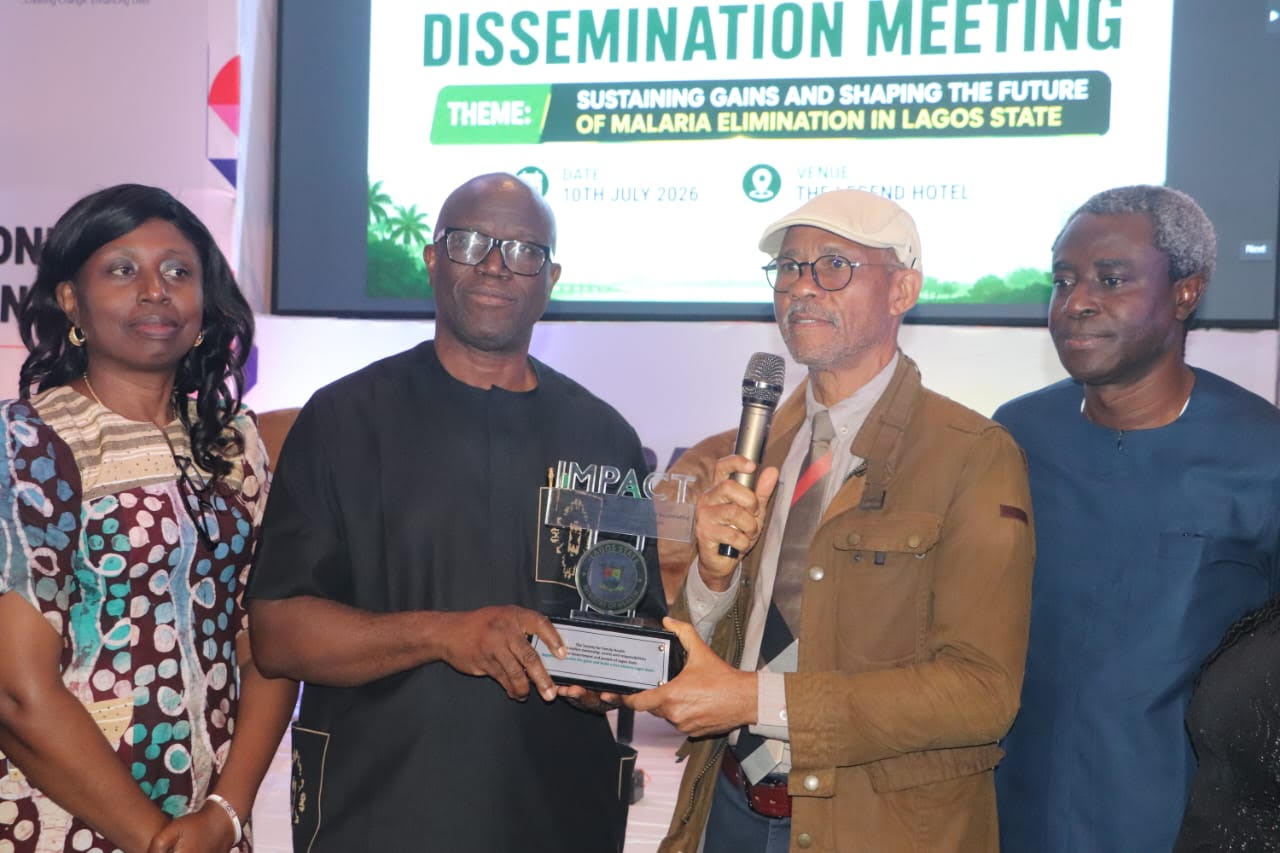
Malaria accounts for only about five per cent of fever cases in Lagos State, prompting the state government to declare that healthcare providers must base malaria treatment on confirmed diagnosis rather than assumptions.
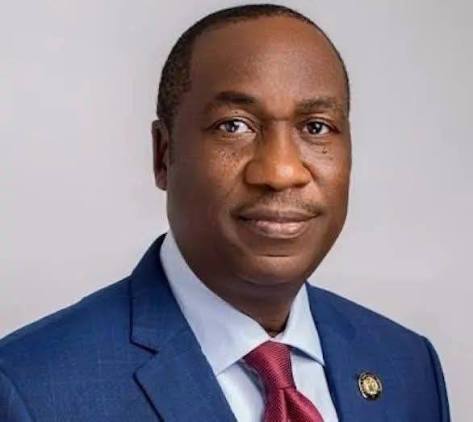
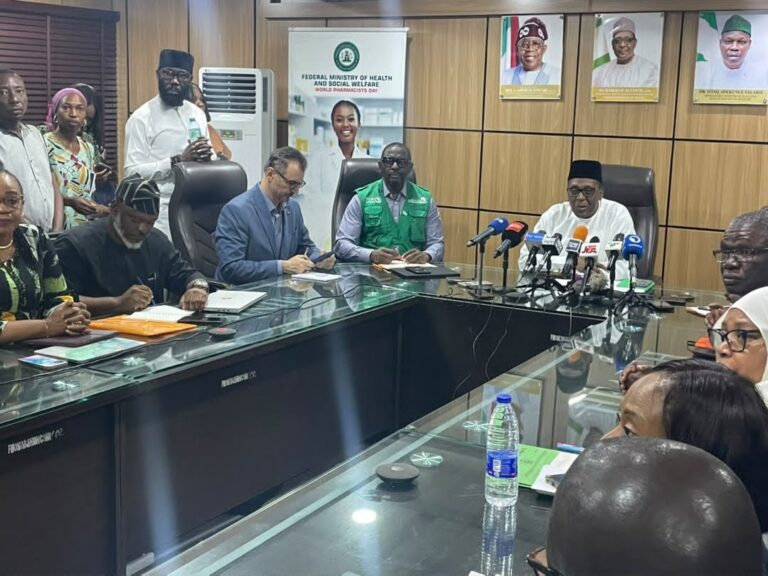
Speaking at the dissemination meeting of the Immunization Plus and Malaria Progress by Accelerating Coverage and Transforming Services (IMPACT) Project in Ikeja, the Commissioner for Health, Prof. Akin Abayomi, announced the new policy.
He said findings from the World Bank-supported project, implemented by the Society for Family Health (SFH) in partnership with the Lagos State Ministry of Health, had transformed the understanding of fever management in Lagos.
Abayomi said the era of treating every fever as malaria must end, stressing that healthcare workers should rely on patients’ medical history, physical examination and Rapid Diagnostic Tests (RDTs) before prescribing treatment.
He disclosed that public primary and secondary health facilities had already been directed not to treat malaria unless patients tested positive, noting that inspections showed a sharp decline in malaria diagnoses following the policy. He warned that repeatedly treating patients for malaria despite negative test results had led to avoidable deaths.
The Group Chief Executive Officer of the Society for Family Health (SFH), Dr Omokhudu Idogho, said the project supported malaria diagnosis for more than two million patients in 603 public and private health facilities and provided free treatment for more than 50,000 confirmed cases.
He added that malaria positivity dropped from 43 per cent to 29.2 per cent during implementation, stressing that “not every fever is malaria.”
Other News
The Permanent Secretary, Ministry of Health, Dr Dayo Lajide, represented by the Acting Director of Disease Control, Dr Abosede Wellington, said malaria prevalence in Lagos had fallen to about 2.6 per cent in 2025, placing the state on the path to pre-elimination.
World Bank Task Team Leader, Dr Onoriode Ezire, praised Lagos for producing evidence that is shaping health policy nationally, while malaria researcher, Prof. Wellington Oyibo, said studies showed only about five per cent of fever patients tested positive through RDTs and 2.4 per cent by microscopy, with RDTs recording 98.5 per cent sensitivity.
The Managing Director of SFH Advisory Services, Dr Jennifer Anyanti, said the project supplied medicines and RDT kits, strengthened the capacity of healthcare workers and community leaders, and trained community pharmacists and Patent and Proprietary Medicine Vendors to test before treating malaria.
The State Malaria Elimination Programme Manager, Dr Abimbola Oshinowo, said 1,279 healthcare workers were trained, malaria testing coverage rose to 98.3 per cent, uptake of preventive treatment during pregnancy increased from 25 per cent to 93 per cent, while more than 1.38 million residents were reached through community mobilisation.
The Executive Secretary of the Health Facility Monitoring and Accreditation Agency, Dr Victoria Egunjobi, said the project had equipped health workers with the confidence to assure patients that not every fever was malaria, adding that the wider use of RDTs would improve clinical decision-making and healthcare delivery across the state.
Stakeholders at the meeting pledged to sustain investments in surveillance, healthcare capacity, community engagement, and government leadership to accelerate Lagos State’s journey towards malaria pre-elimination.