Follow Us on Google
From Romanus Ugwu, Abuja
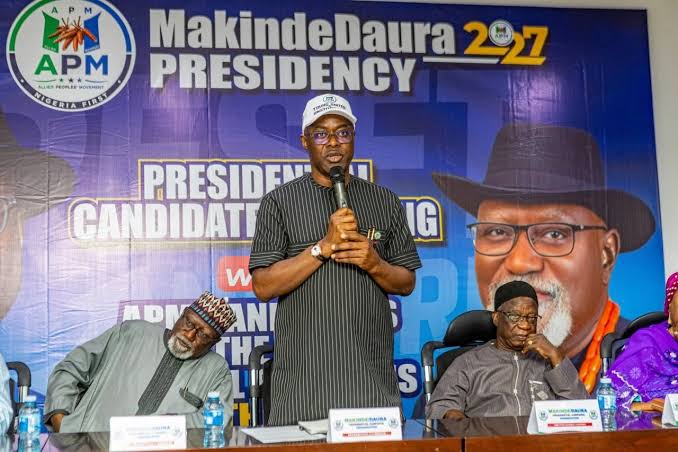
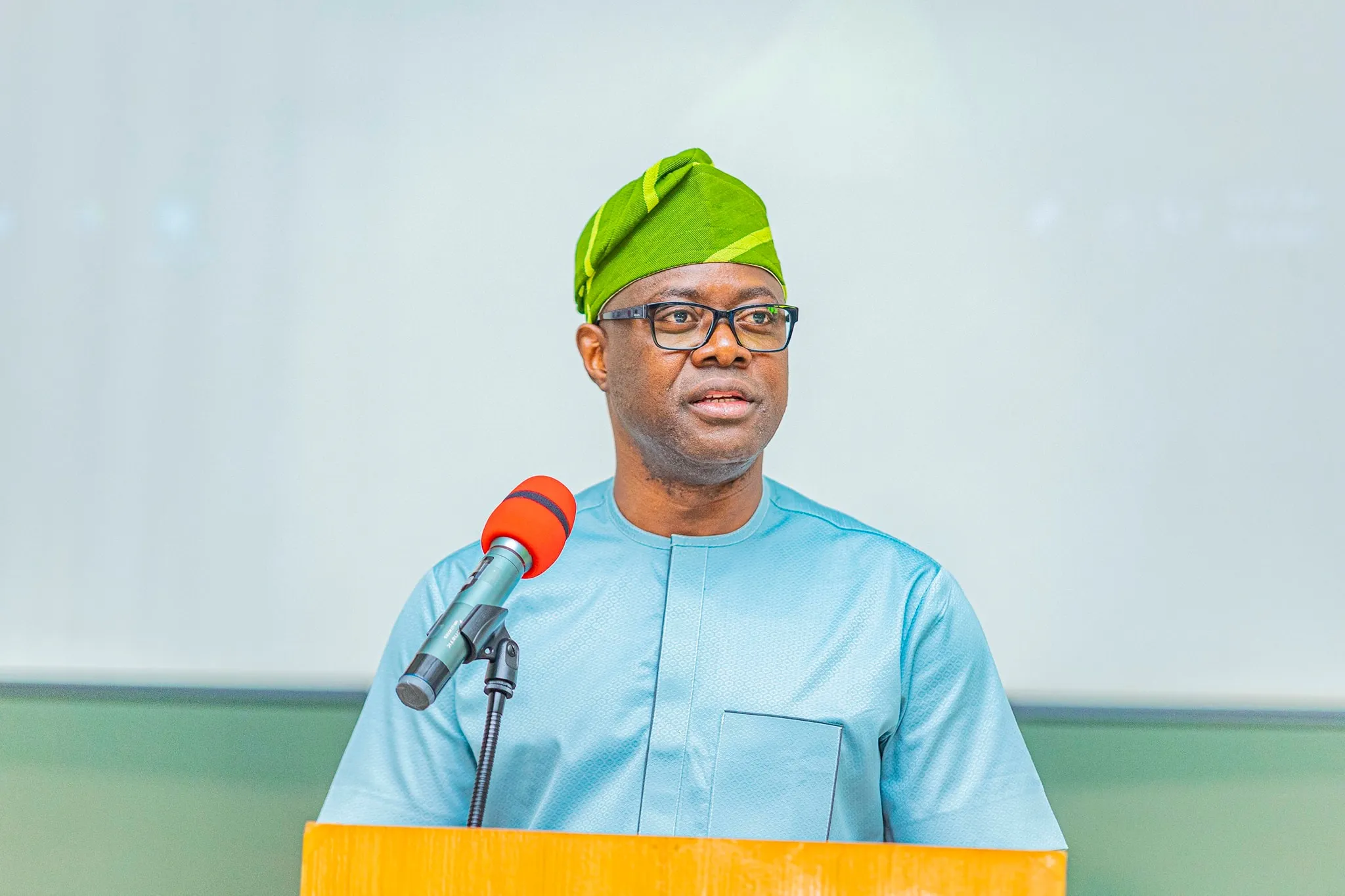
Oyo State Governor, Seyi Makinde, has dismissed speculations linking him with the possibility of defecting to the All Progressives Congress (APC).
He emphasised that he would remain committed to the Peoples Democratic Party (PDP) despite recent defections by some opposition governors to the ruling party.
Speaking at the public presentation of a book, ‘Headlines and Soundbites: Media moments that defined an administration’ written by Lai Mohammed, former Minister of Information and Culture, in Abuja yesterday, Makinde blamed the elite for dividing the country with their selfish political interests.
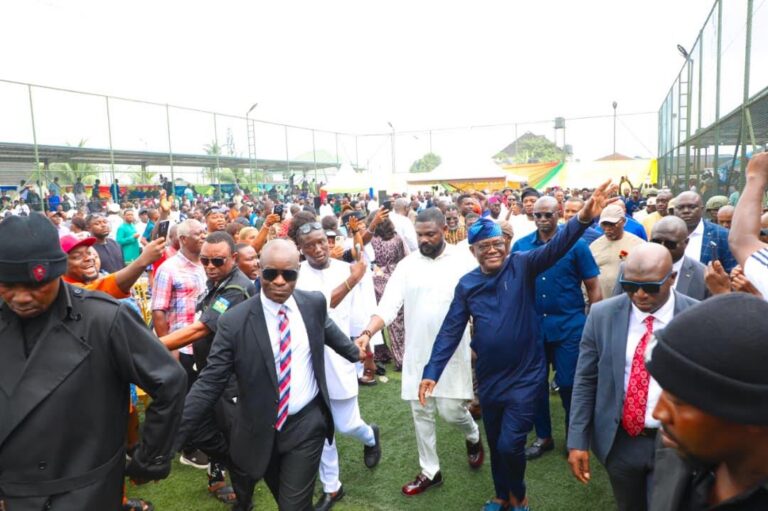
The launch was attended by past governors, Ministers and National Assembly members, comprising Rotimi Amaechi, Bisi Akande, Minister of Information and Culture, Idris Mohamed, former Head of Service, Chief Oladapo Afolabi, Ado Doguwa among many others.
“I’m not a member of the APC and I’m not about to become one,” Makinde said. “Nigeria’s progress depends on sincere collaboration among leaders across political divides to move the country forward.”
The governor further argued that Nigeria’s deepening divisions were largely driven by elite ambitions rather than the will of ordinary citizens.
“Most Nigerians desire unity and coexistence, but are often manipulated along religious, ethnic and regional lines by political elites pursuing personal interests.”
Makinde also warned against the winner-takes-all mentality in politics, stressing that it fuels exclusion and undermines national cohesion.
“We must redesign our democracy so that even those who lose elections are not completely shut out,” he said, adding that inclusive governance would reduce political tension and strengthen national trust.”
He further argued that the civil war shifted the country toward a unitary mindset that no longer addresses today’s challenges, explaining: “The problem we faced then was how to unite Nigeria after a civil war. That is not the same problem we are faced with today.”
He pointed out that Nigeria needs an elite consensus focused on improving governance and addressing contemporary challenges rather than recycling old fault lines.
While giving personal experience, the governor noted that political success is ultimately determined by God and timing, recounting how key political actors, including himself and former President Muhammadu Buhari, lost elections at different times before eventually attaining office years later.
He equally reflected on Nigeria’s historical challenges, explaining that while the country’s early leaders were preoccupied with uniting a post-war nation, today’s problems are different and require new solutions.
He called for deliberate efforts to design political and governance arrangements that promote fairness, inclusion and stability.
Chief Afolabi, who was the keynote Speaker said Nigeria’s recurring governance crises were rooted in weak institutions, poor adherence to the rule of law and an electoral process that leaves large segments of the population feeling excluded.
Warning that when elections are perceived as zero-sum contests, public confidence in democracy erodes, Afolabi called for urgent constitutional reforms, stronger institutions and transparent elections in which votes genuinely count.
He cautioned that continued disregard for these fundamentals could push the country toward instability. “Anarchy is not an option,” he said, stressing the need for national consensus among political elites on the direction of the country.
Reflecting on Nigeria’s history, Afolabi said the country’s diversity was originally intended to be a strength, but had instead been mismanaged. He argued that Nigeria’s poor global perception stemmed largely from failure to manage its vast human and natural resources effectively. He urged leaders to focus on building institutions that promote accountability, fairness and inclusive development.
Six time House of Representatives member, Doguwa, in his remarks taunted politicians for jumping from one party to the other, noting that late Buhari never denounced membership of the APC.
“As President of Nigeria, I can clearly remember, to the best of my knowledge, our leader, the iconic and legendary former President Buhari, died primarily as a Muslim, and he died without denouncing the membership of the APC.
“For those of us in the North, we will continue to hold this mantra of leadership, and we will continue to identify with the APC and the government of Nigeria because our leader died as a proud member of the APC. I would like to say at this moment that for all those of us who are still within the corridor of power, especially those of us within the space of the legislative arm of government, that we will continue to do our very best to identify with the expectations and the ideas of our people,” he said.