Follow Us on Google

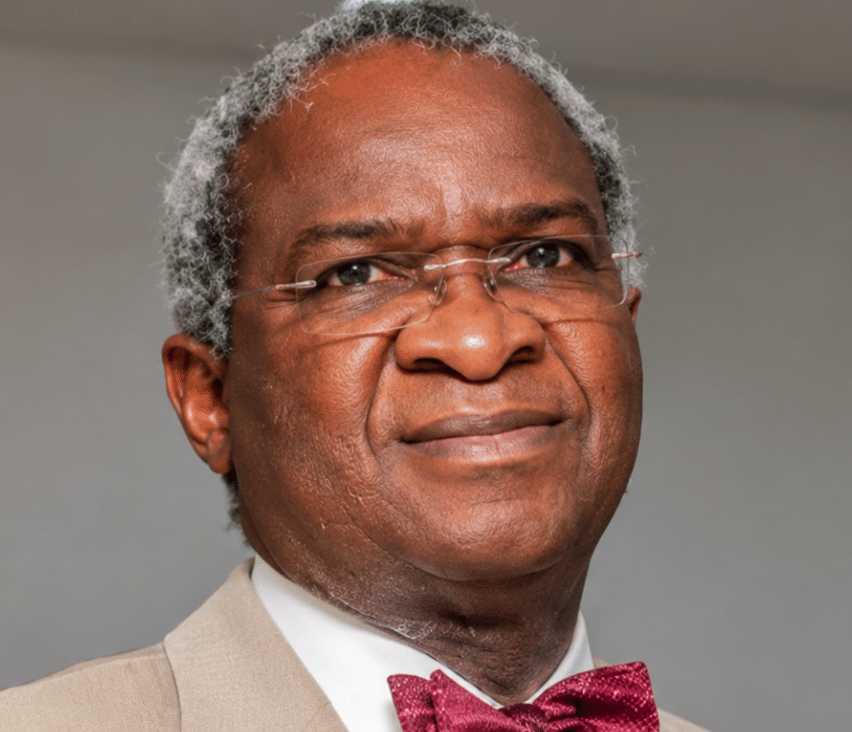
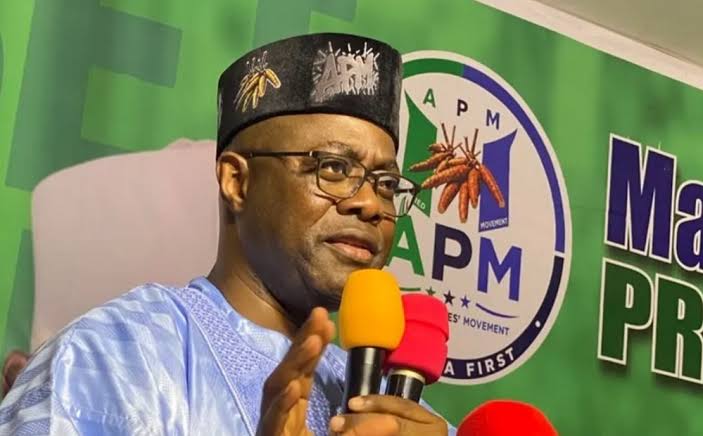
The presidential campaign organisation of the Allied Peoples Movement (APM) candidate, Governor Seyi Makinde of Oyo State, has challenged former Minister of Power, Works and Housing, Babatunde Fashola, to explain President Bola Tinubu’s failure to fulfil his campaign promises on electricity supply and the abolition of estimated billing.
The organisation accused Fashola of attempting to defend the Tinubu administration over its failure to deliver on the electricity promises made ahead of the 2023 presidential election.
In a statement signed by its Director of Strategic Communications, Richard Nnanna Ihediwa, the Makinde-Daura Presidential Campaign Organisation reproduced Tinubu’s campaign declaration:
“Whichever way, by all means necessary, you must have electricity. And you will not pay for estimated bill anymore. A promise made, will be a promise kept. If I don’t keep the promise and I come for a second term, don’t vote for me, unless I give you adequate reasons why I couldn’t deliver.”
The campaign organisation asked whether the President had fulfilled his twin promises of ensuring electricity availability and ending estimated billing.
It argued that despite several reforms and interventions since Tinubu assumed office in 2023, millions of Nigerians remained without electricity, while persistent national grid collapses continued to undermine power supply.
Citing electricity access figures, it claimed that 86.8 million Nigerians remained without access to public electricity, describing the situation as evidence of the country’s worsening energy crisis.
The organisation also faulted Fashola for reportedly saying during a television interview that he did not have figures on electricity customers still subjected to estimated billing.
The organisation, which cited the Nigerian Electricity Regulatory Commission (NERC), said 4.70 million electricity customers remained without meters and were consequently exposed to estimated billing.
It dismissed arguments that infrastructure constraints, legacy debts and the responsibilities of privately operated distribution companies explained the failure to fulfil Tinubu’s promise, insisting that these challenges existed before the President made the commitment.
The campaign organisation also made reference to NERC’s May 2025 Performance Improvement Plan review for the Transmission Company of Nigeria and the Nigerian Independent System Operator.
According to the review, only N1.7 billion was disbursed for eight projects between January 2024 and January 2025, while just 45 per cent of approved funding for 2024 had reached the dedicated account.
It added that procurement delays and inadequate prioritisation contributed to the reduction of the revised core project portfolio from 142 projects to 50.
The organisation further criticised the reported relocation of electricity supply at the Presidential Villa, Abuja, from the national grid to solar power.
It argued that the development raised questions about the administration’s commitment to resolving the country’s electricity crisis.
Presenting Makinde’s RESET Nigeria Agenda as an alternative, the organisation said Nigeria needed a comprehensive approach addressing the entire electricity value chain rather than isolated interventions in generation, transmission and distribution.
It said the agenda, developed around Makinde’s background as an electrical engineer, would seek to improve the reliability and stability of electricity supply within three years by linking decisions, funding and accountability across the delivery chain.
According to the statement, the proposed approach would prioritise implementing existing projects rather than continually creating new project lists without ensuring their completion.
The organisation urged Fashola and other supporters of the Tinubu administration to acknowledge the electricity sector’s challenges, arguing that defending unfulfilled promises would not improve power supply.