Follow Us on Google

…Phc refinery pegs ex-depot price at N1,030/litre
By Adewale Sanyaolu
The anticipated benefits from the Dangote Petroleum Refinery, with a capacity of 650,000 barrels per day, are steadily unfolding, as members of the Major Oil Marketers Association of Nigeria (MEMAN) have opted to relinquish their import licenses issued by the Nigerian Midstream and Downstream Petroleum Regulatory Authority (NMDPRA), choosing instead to source petrol from Dangote Refinery.
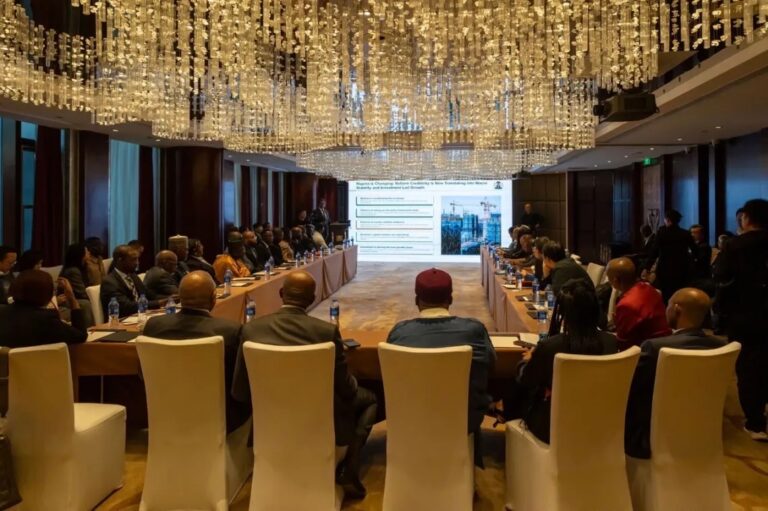
Chief Executive Officer (CEO) of MEMAN, Mr. Clement Isong, stated this yesterday at a quarterly press webinar and engagement for energy correspondents with the topic “ Petrol Pricing”
According to MEMAN, the shift is driven by a competitive market framework that is already in place.
The association noted that over the past 10 weeks, its members have collectively loaded more than 251,797,142 litres of petrol from the Dangote refinery, with loading operations continuing actively.
He added that these volumes include 148,463,142 litres transported by trucks from the refinery gantry and 103,334,000 litres delivered to the Apapa ports via vessels, an indication highlighting the operational flexibility within the supply chain.
“While we initially prioritised truck loading, we have found vessel transportation to be more efficient, which accounts for the reduction in truck dispatches from the Dangote refinery. Our primary supply source is the Dangote Refinery, with imports used to supplement any shortfalls, in full compliance with the law”.
He said MEMAN members which include; 11 Plc, Ardova Plc, Conoil, MRS, NNPCL, and TotalEnergies, collectively account for approximately 40-50 per cent of Nigeria’s petroleum products market share.
Other News
According to him, the development was facilitated by a federal government’s directive, which ended NNPCL’s intermediary role paving the way for independent petroleum marketers to negotiate and purchase petrol directly from local refineries, fostering competition and efficiency.
The CEO disclosed that the spot price of petrol based on the 30-day pricing trend from October 10 to November 22, 2024, stands at N976.07 per litre, adding that the average price during the same period was N971.14 per litre.
He further revealed that the product cost per metric tonne is estimated at N708,390, calculated using a foreign exchange rate of N1,665.99 to the dollar.
Breaking down the factors influencing petrol pricing in Nigeria, Isong explained that critical cost components include the jetty location, such as ASPM, and a standard product quantity benchmarked at 38,000 metric tonnes.
He said, “The pricing methodology relies on the Argus Gasoline Euro-Bob benchmark for West African deliveries, combined with an average premium.
“The exchange rate is derived from the Central Bank of Nigeria’s (CBN) weighted average rate within the Nigerian Foreign Exchange Market (NFEM), which significantly impacts the final price,” he said.
Isong noted that finance charges contribute heavily to the cost structure, pegged at 32 per cent per annum over a 30-day cycle. Freight costs for Ship-to-Ship (STS) operations and related charges reflect a 10-day delivery timeframe to the ASPM jetty, Lagos Midstream Jetty (LMJ) located at the Lagos Apapa Harbour.
In a related development, the National President of the Petroleum Retail Owners Association of Nigeria (PETROAN), Mr. Billy Gillis Harry, in a telephone interview with Daily Sun yesterday, said the management of the refinery has pegged the ex-depot price of petrol at N1.030 contrary to earlier reports of N1,075 per litre.