Follow Us on Google
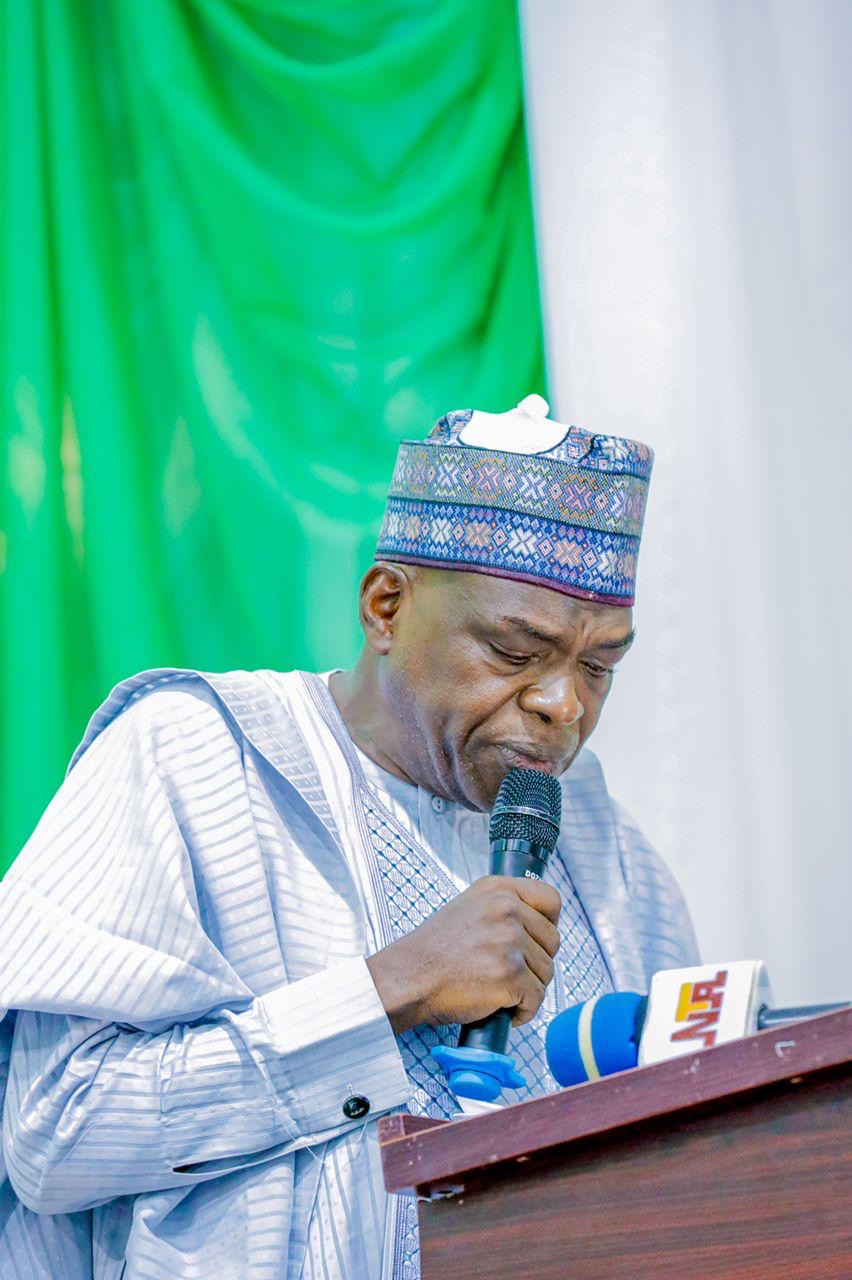
The Miyetti Allah Cattle Breeders Association of Nigeria (MACBAN) has welcomed a recent report by the U.S. Commission on International Religious Freedom (USCIRF), saying the document appropriately distinguishes between millions of law-abiding Fulani citizens and criminal groups responsible for violence across the country.
In a statement issued in Abuja, MACBAN National President Baba Othman Ngelzarma said the association had reviewed USCIRF’s May 8, 2026 policy update on non-state violent actors in Nigeria and supported its recognition that criminal networks and militant groups should not be conflated with the broader Fulani population.
The association reiterated its condemnation of terrorism, banditry, kidnappings, and targeted killings across Nigeria, describing attacks on both farming and herding communities as unacceptable. It also denounced assaults on places of worship, including churches and mosques, stating that attacks carried out during religious services and holidays violate both religious principles and Nigeria’s constitutional order.
“Criminality has no religion, and it has no ethnicity,” the statement said.
MACBAN further distanced itself from armed groups operating in various parts of the country, arguing that the estimated 30,000 militants and bandits referenced in the USCIRF report do not represent Nigeria’s Fulani population. The association maintained that pastoralist communities are frequently victims of cattle rustling, kidnappings, and retaliatory attacks.
As part of its response, MACBAN announced plans to strengthen intelligence-sharing arrangements with security agencies, traditional rulers, and local authorities. According to the association, its state and zonal branches have been directed to deepen cooperation with law enforcement agencies to identify and expose criminal elements operating in forested and border areas.
The group also cautioned against ethnic profiling and collective blame, warning that broad stigmatization of herders could worsen divisions and undermine efforts to build trust between communities. MACBAN urged media organizations, security outfits, and political actors to avoid narratives that associate entire ethnic groups with criminal activity.
The statement linked the issue to Nigeria’s evolving political environment ahead of the 2027 general elections, stressing the need for restraint and responsible public discourse.
Other News
On economic reforms, MACBAN acknowledged that population growth, environmental pressures, and desertification have altered traditional patterns of land use and livestock management. The association expressed support for the transition from open grazing to more modern livestock production systems and said it is working with federal and state authorities on ranching initiatives.
It called on development partners and international organizations to provide financial support, training opportunities, and infrastructure to assist pastoralist families adapting to the changes.
The association also advocated dialogue as a long-term solution to recurring farmer-herder conflicts. It opposed the proliferation of unregulated vigilante groups and called on authorities to ensure that all perpetrators of violence, regardless of their background, are prosecuted.
MACBAN disclosed plans to launch a nationwide campaign promoting grassroots interfaith and interethnic dialogue, including the establishment of local peace committees involving farmer associations, traditional institutions, and civil society organizations.
Concluding the statement, Ngelzarma said peaceful Fulani citizens seek the same aspirations as other Nigerians, including security, freedom of worship, and economic opportunity.
He called on the international community, including the United States and the European Union, to support early-warning systems, local conflict-resolution initiatives, and pastoral modernization programmes rather than approaches that could deepen social divisions.
“Together, through justice, modernization, and mutual respect, we can overcome this crisis and secure a peaceful Nigeria for all,” the statement said.