Follow Us on Google
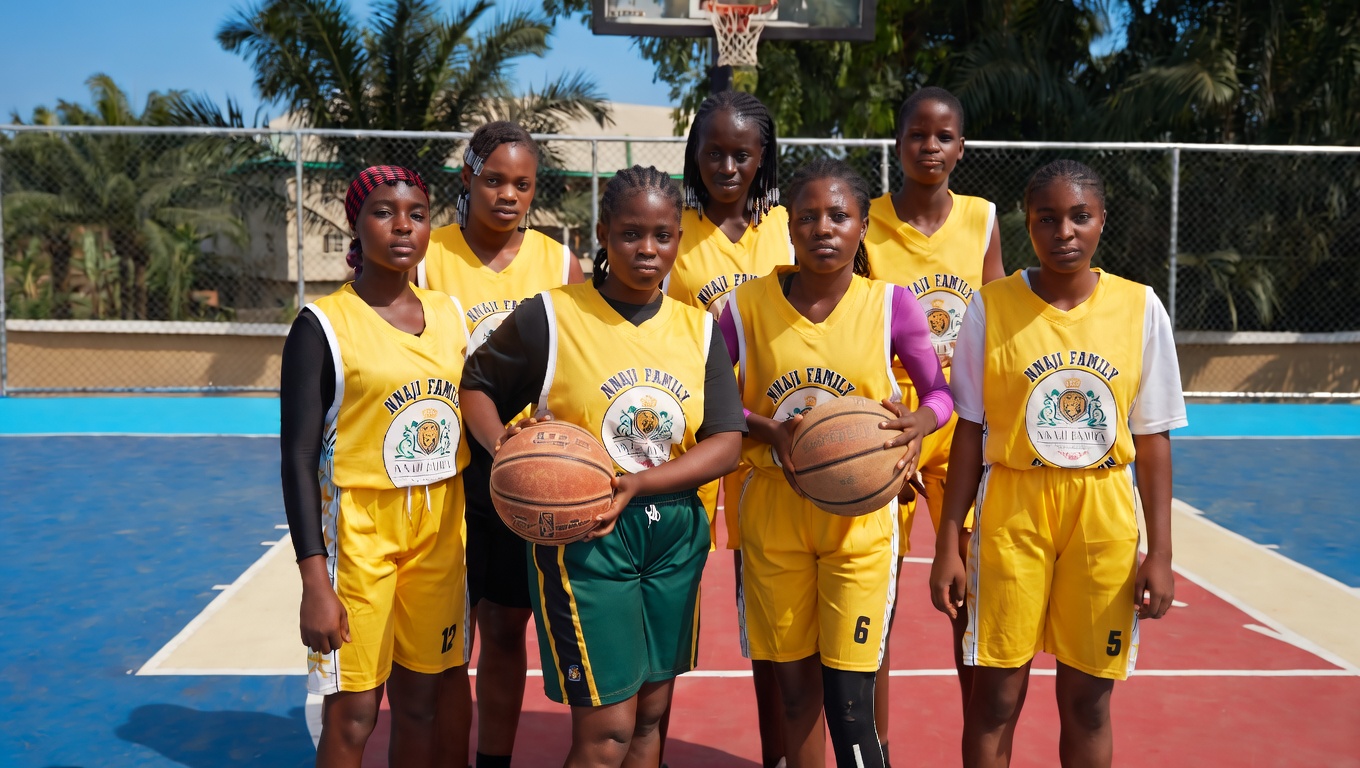
In Agbani, a university town in Enugu State, something extraordinary is happening.
The community, located around 250 kilometres from the capital city of Enugu, offers a valuable perspective; one that drives your hunger to explore the happenings around.
The smooth drive from Enugu offers little hint of what lies ahead. On arrival in Agbani, you expect that the Lions Den Athletics Club will be conspicuous, but not so. As the journey turns onto an unpaved, undulating stretch of road, doubt begins to creep in.
After about 10 minutes of navigating the rough path, which often leaves the club’s buses sinking in the mud, the Lions Den Athletics Club comes into view, accompanied by a sense of arrival. Given the investment by the Nnaji Family Foundation, it is important that the government extends its presence here and makes the road motorable.
The squeak of sneakers on polished floors now blends with the clicking of computer keyboards upstairs. Teenagers who once drifted through idle afternoons now sprint through defensive drills.
Children who were timid now call out plays with authority. And in the middle of it all stands a simple but radical creed: Each one, reach one. Each one, teach one. This is Lions Den Athletics Club — the flagship sports and youth development initiative of the Nnaji Family Foundation — and it is quietly reshaping basketball and community life across Enugu State.
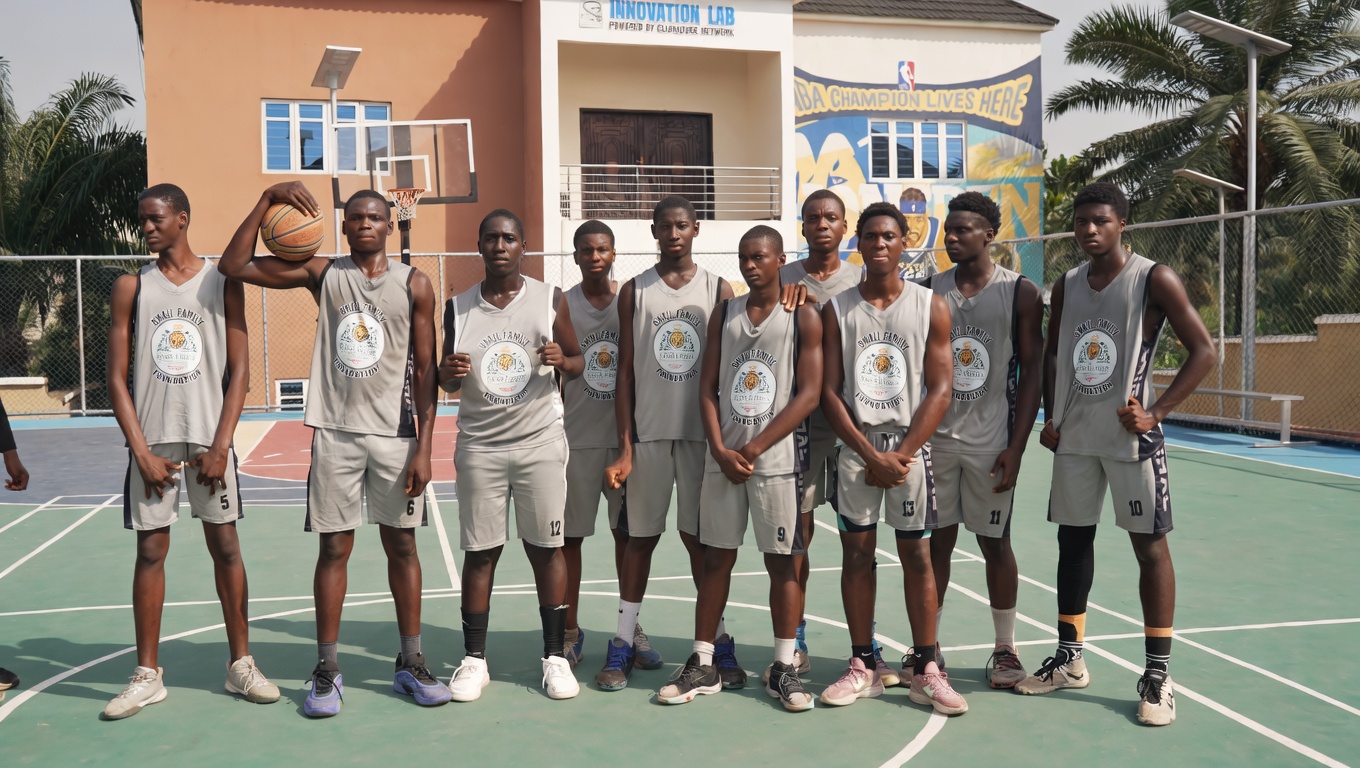
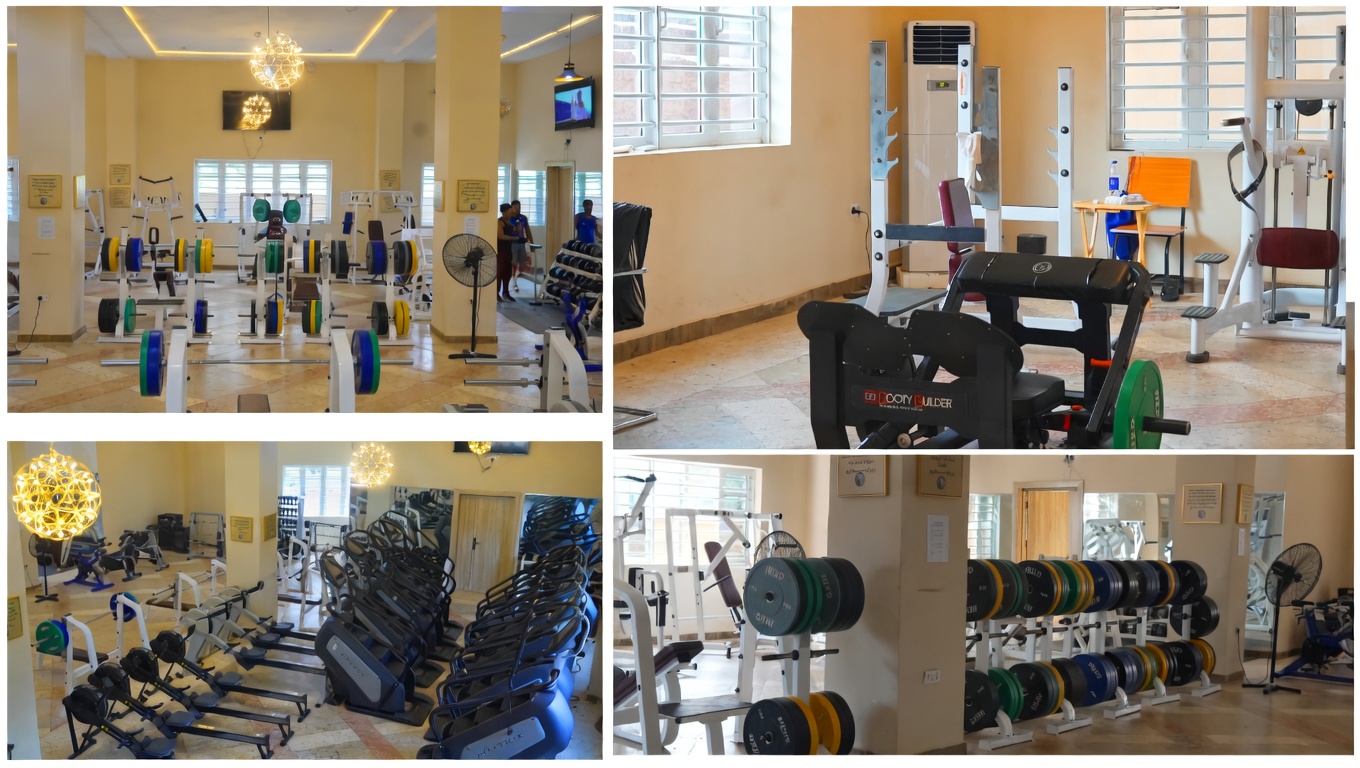
The vision: from the NBA to Agbani
The movement was envisioned by Zeke Nnaji, the Nigerian-American forward who rose to prominence with the Denver Nuggets.
While competing on basketball’s biggest stage in the United States, Nnaji was determined that opportunity would not stop at his own success. “He wants people to benefit from basketball the way he benefited,” explains Mrs Felicia Ezeako, the Foundation’s Country Director. “He loves Enugu. He loves Nigeria. He believes charity should begin at home.”
Unlike many high-profile projects, this one is not symbolic. It is operational, daily, hands-on — and deeply invested in. “Almost everything he earns, he pushes back here,” she adds. “He’s not about show. He’s about impact.”
Enter the builder: teaching skills, building lives
Since February 2025, Head Coach Timothy Abimbola has been at the helm of the basketball programme at the club. A product of Ahmadu Bello University and a former youth ministry leader in Lagos, Abimbola brings to Agbani a philosophy forged from both sports and spiritual mentorship.
“My mantra is teaching skills and building lives,” he says. “We are not just raising basketball players. We are raising leaders.”
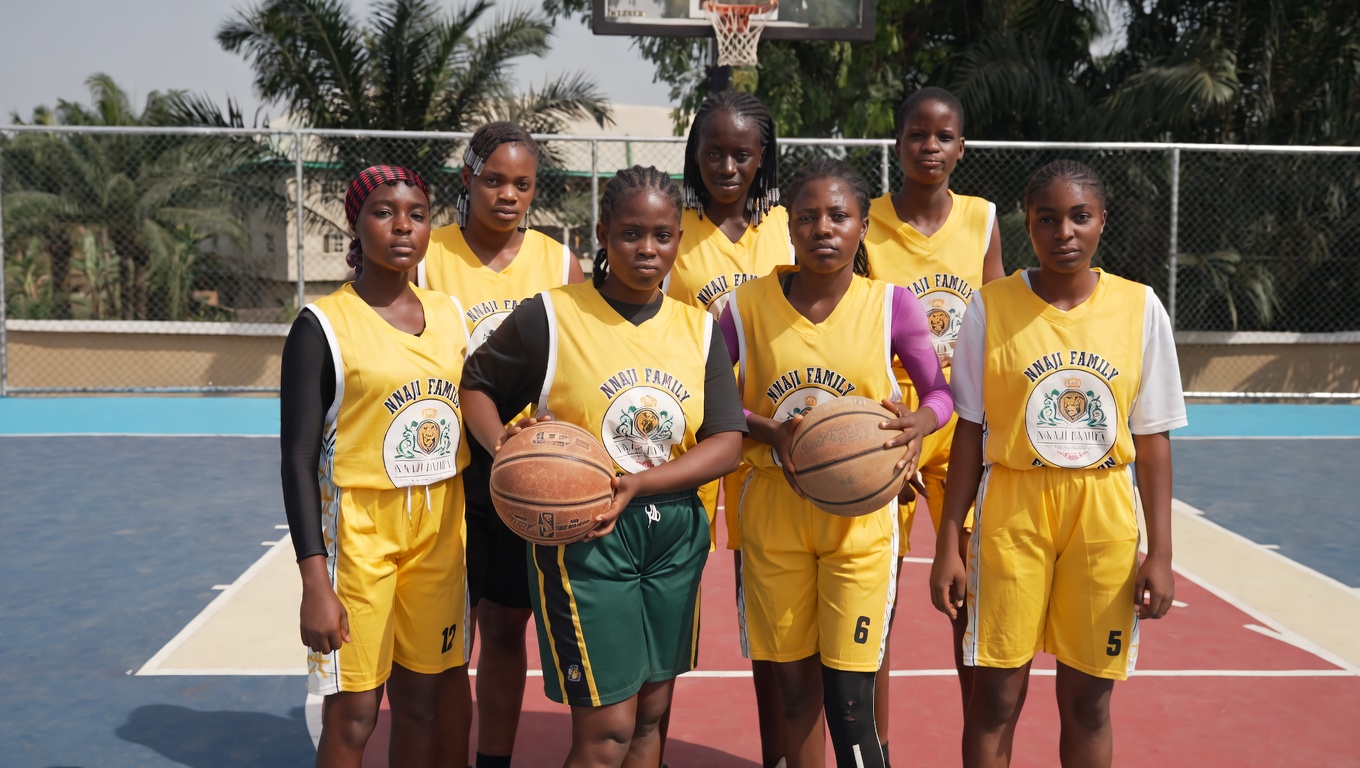
Under his guidance, Lions Den currently has about 100 active athletes, with ongoing recruitment across schools in Agbani and surrounding communities. Scouts look not only for height and coordination but for potential — for young minds ready to be shaped. The objective is holistic transformation.
“If we impact them spirit, soul, and body,” Abimbola explains, “they become better human beings — not just better players.”
Discipline before dominance
The transformation began with something almost symbolic:
Cleanliness. “When we started,” Abimbola recalls, “we said no littering — no sachet water on the court. It sounds simple. It was not. But consistency breeds culture.”
Today, the courts are spotless — not because of enforcement, but because of understanding what it means to be in a clean environment.
“Habits create character. Character changes lifestyle,” he says.
From respect for teammates and referees to punctuality and accountability, discipline is woven into every drill. And the results extend beyond the playing floor.
The Country Director remembers conversations with parents at the programme’s early stages: “Some of the kids were unruly before. Some were involved in the wrong activities. But through structure and mentorship, we pulled them from the streets and redirected their energy.”
She pauses, then adds: “If that is the only thing we have achieved, it is already a lot.”
Confidence as a game-changer
Lions Den does more than train athletes; it rebuilds self-belief. Many of the children are transported daily from Enugu metropolis to the Agbani facility. After practice, they are fed before being returned home — a small but powerful gesture in a time of economic strain.
“Some of them may not have eaten lunch at school,” the Country Director says. “So we feed them.”
Beyond physical nourishment, the programme feeds confidence. “They came timid. Intimidated. Now they stand taller. They speak up. They believe.”
Basketball has become their language of empowerment.
On the competitive front, Lions Den has wasted little time announcing its presence. The club has participated in Red Bull Half Court tournaments, national Division 2 competitions, and multiple inter-academy friendlies across the Southeast and in Nigeria’s commercial capital city of Lagos.
A defining moment came during a statewide championship the Foundation organised across Enugu’s six educational zones. Over 500 students participated in zonal eliminations before converging in Agbani for a week-long finale.
Lions Den Team A won the championship. But what happened next defined the culture more than the trophy. Because they were hosts, the club forfeited the ₦1m prize money to the runners-up, Graceland. It was a lesson in leadership — one no classroom could teach.
A Junior NBA hub with global links
The facility is recognised as a Junior NBA centre, hosting elite camps and clinics. International coaches, including Kerry Sutherland — Nnaji’s high school coach in Minnesota — have trained young athletes here.
The gym itself is named in Sutherland’s honour, symbolising the global-to-local bridge that defines Lions Den’s identity. This is not an isolated community court. It is a connected development hub with global basketball DNA.
Upstairs: where the future is coded
Yet perhaps the most visionary element of the complex lies above the court: the Innovation and STEM Lab.
“The future is technology,” the Country Director states firmly. “We want our children to compete globally.”
Here, students explore science, engineering, robotics, mathematics, music production and digital literacy. Plans for Cisco and Google certifications are in place, giving participants industry-recognised credentials.
“When their strength fades,” she says, “their education will sustain them.”
Some athletes may pursue professional sports. Others may become engineers, programmers, or creators. The Foundation’s mission is not to dictate destiny, but to expand it.
A sustainable model for impact
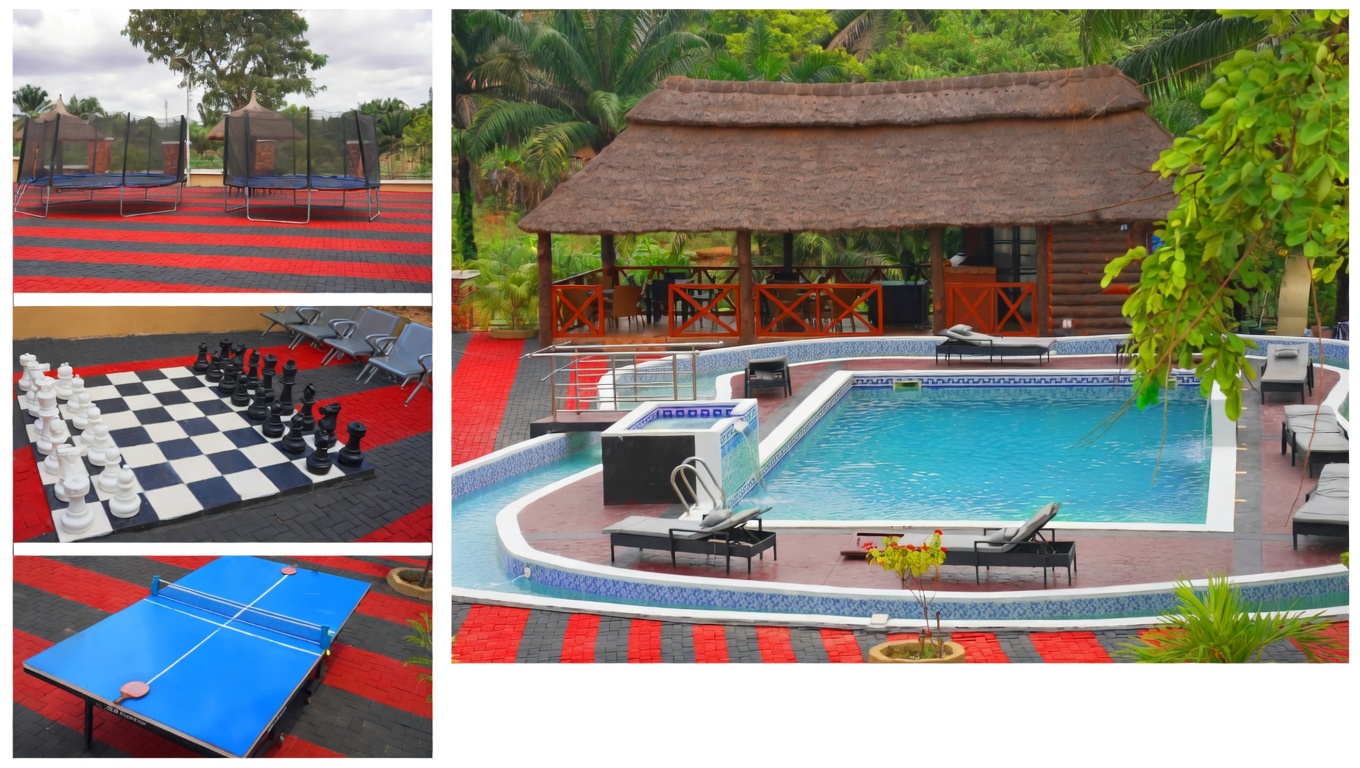
To ensure longevity, the Foundation established a membership-based wellness sports resort within the complex. Featuring a gym, swimming pool, beach volleyball and recreational facilities, it operates on monthly membership — with proceeds reinvested into youth programming.
“We needed sustainability,” the Country Director explains. “Everything generated goes back into maintaining the athletes and the facility.”
In addition, quarterly food outreach initiatives support vulnerable families in the wider community — reinforcing that Lions Den’s mission stretches beyond the court.
For Abimbola, legacy is personal. He references his university mentor, Coach Oliver Johnson (OBJ), whose influence shaped globally respected figures like Masai Ujiri.
“I want to be someone who impacted someone who impacted someone else,” he says. “A chain reaction of leaders.”
The Foundation echoes the sentiment. “To be humane,” the Country Director says, “is not just about your immediate family. It’s about the stranger in the next town who needs help.”
The forest growing in Agbani
In less than four years of existence, the Nnaji Family Foundation has created more than a sports complex. It has engineered a culture — a culture of discipline, excellence, technology and compassion.
In Agbani, the bounce of a basketball is no longer just a sound. It is a signal — that opportunity lives here, that leadership is being forged here, and that a forest is growing from carefully planted seeds.
If the Lions Den philosophy holds true, the ripple from this corner of Enugu State may yet stretch far beyond the court — into boardrooms, classrooms, and communities across Nigeria and beyond.
Assistant Coach John Oche Anejo, popularly known as “Coach John,” says his one-year stint with the club has reaffirmed his belief in long-term athlete development.
“I’ve been here over a year now, and it has been a wonderful experience,” he said. “When it comes to athlete development, it’s not short-term. It requires time. But I’ve seen progress.”
He notes that the club operates a four-tier system designed to ensure progressive growth. It caters to children aged seven to 13, intermediate players between 14 and 16, a dedicated girls’ group, and a senior cadre comprising athletes aged 16 to 18 and above who have remained in the programme for years.
According to Coach John, the layered structure allows for intentional mentoring and steady technical advancement.
Beyond tactical drills and shooting practice, however, the club places strong emphasis on character formation. Assemblies and prayer sessions precede training, while discipline, respect and academic performance are prioritised alongside athletic growth.
“We’ve seen children who came here not knowing how to organise their time,” Coach John noted. “Now they set goals, show discipline and communicate better.”
Other News
Coach John believes grassroots initiatives such as Lions Den are critical to reviving the country’s basketball fortunes.
“I believe the glory days of basketball in Nigeria are behind us,” he said. “But programmes like this are working to revive the game.”
With more than 15 years of experience mentoring young athletes, the coach described his relocation to Enugu as a calculated decision driven by conviction in the foundation’s vision.
“I had to count the cost, but I believe in what the foundation is building here,” he said.
Players reflect transformation
For the young athletes, the programme’s impact extends well beyond competition.
15-year-old Chuke Mellangel Chidiogo, who joined the club last April, said the initiative strengthened her understanding of basketball fundamentals and boosted her confidence.
“When I came, I didn’t know the main fundamentals of basketball. Now I’m learning a lot,” she said, adding that she hopes to balance academics with basketball in the future.
Ezeani Kaobichukwudi Blaise, who has been part of the programme for a while now, described the experience as life-changing.
“My life changed,” he said.
Through the foundation’s support, Blaise has featured in international competitions, including the Red Bull 3×3 tournament in Port Harcourt and a FIBA Africa Zone 3 Academies Championship event in Lagos.
He admitted early intimidation at such tournaments but said the exposure broadened his perspective.
“Any opportunity we get now, we must make it count,” he said.
Raised by a widowed mother after losing his father, Blaise credited the club’s mentorship and spiritual guidance for helping him navigate personal challenges.
“Before basketball, it’s God. Your life and academics come first,” he added.
For Coach John and his players, the objective is clear: rebuild from the grassroots, nurture both skill and character, and gradually restore Nigerian basketball’s competitive edge.
In a modest gym where prayers precede practice, that vision is steadily unfolding.
Planting seeds of hope: how Mrs Felicia Ezeako is driving the Nnaji Family Foundation’s quiet revolution in Enugu
In the quiet community of Agbani, on the outskirts of Enugu, something transformative is unfolding — not with loud proclamations, but with steady purpose.
At the centre of it stands Mrs Felicia Ezeako, Country Director of the Nnaji Family Foundation, a non-profit initiative built on a simple yet profound idea: give back, lift others, and create opportunity where it once seemed distant.
“It’s our way of giving back to society,” she says calmly. “We are focused on impacting the lives of young stars through education and sports.”
A vision born from gratitude
Founded just three years ago and approaching its fourth anniversary in September, the Foundation may be young in years, but its footprint in the community is already unmistakable.
The vision traces back to NBA champion Zeke Nnaji, whose journey from Nigeria to the pinnacle of professional basketball shaped a deep desire to create access for others.
Rather than simply celebrate his success abroad, he and the Nnaji family chose to reinvest in the soil that first nurtured his dreams.
That investment has taken physical shape in the Lions Den Athletics facility — a growing hub of structured opportunity for children who might otherwise have slipped through the cracks.
From the streets to structure
For Mrs Ezeako, the real measure of impact is not infrastructure — it is transformation.
“When we started,” she recalls, “some parents told us their children were unruly. Some were involved in one nefarious activity or the other. But through discipline, we pulled them from the streets and channeled their energy into sports.”
Today, between 120 and 150 boys and girls are enrolled in the Foundation’s programmes. Each day, buses transport them from Enugu to Agbani for structured training sessions.
Qualified coaches oversee their development. After training, every child is fed before being returned home — a small but significant gesture in a period of economic strain.
What began as timid, uncertain steps has grown into visible confidence.
“Some of them came here intimidated by life,” she says. “Now they stand tall.”
If that were the Foundation’s only achievement, Mrs Ezeako believes it would be enough.
Recognising that athletic careers can be fleeting, the organisation established a STEM and Innovation Centre designed to equip children with tools for the modern world.
Engineering, mathematics, science — even music — form part of the curriculum. Robotics programmes are in development. Partnerships are being explored to provide globally recognised certifications, including Cisco and Google credentials.
“The world is going tech,” Mrs Ezeako explains. “Sports is good. But when your strength fades, your certificate will sustain you.”
The message is clear: dreams are valid, but preparation is essential.
Feeding bodies, feeding hope
The Foundation’s compassion also extends to the wider community. Amid Nigeria’s economic challenges, quarterly food outreach programmes now distribute staples such as rice and beans to families in need.
Though not part of the Foundation’s original blueprint, the initiative emerged from necessity.
“We felt we had to cushion the effects of hunger,” Mrs Ezeako says. “It may not be our main focus, but humanity demands it.”
Sustainability through wellness
To ensure the Foundation’s long-term viability, the family established a membership-based sports complex — not a hotel or commercial resort, but a wellness-driven facility designed to generate sustainable income for programming.
Members pay a modest monthly fee for access to the gym, swimming pool, lazy river, beach volleyball court and other recreational amenities. The funds flow directly back into maintaining facilities and supporting athletes.
“We want people to think about their health,” Mrs Ezeako notes. “Wellness is prevention.”
It is a pragmatic solution: create value, reinvest proceeds, sustain impact.
A philosophy of ripple effects
When asked about legacy, Mrs Ezeako does not hesitate.
“Each one teach one. Each one reach one.”
The Foundation is not driven by publicity or applause. Its deeper mission is cultural — to ignite a ripple effect of compassion.
“We’re not doing this for people to notice us,” she says. “We’re doing it so someone, somewhere, will say, ‘I admire this. I want to help too.’”
To her, humanity is defined not by wealth accumulated, but by hands extended.
“When compassion is removed from us, we’re no longer human,” she reflects.
And if Mrs Felicia Ezeako has her way, that bridge will stretch far beyond Enugu — carried forward by every child who learns not just to succeed, but to reach back and lift another.