Follow Us on Google
Residents of Lekki in Lagos State and Accra, Ghana, continue to grapple with severe flooding during the rainy season, with roads cut off, homes submerged, businesses disrupted and commuters stranded whenever heavy rainfall occurs.
While these incidents are often described as natural disasters, environmental researcher Egon argues that rainfall alone does not explain the scale of destruction experienced in many coastal cities.
According to Egon, whose research focuses on urban flooding and water quality, the impact of flooding is also influenced by factors such as land use, drainage infrastructure, waste management, construction practices and environmental protection.
Using Lekki as a case study, he noted that the peninsula has witnessed rapid urban expansion over the past few decades, transforming it into one of Africa’s fastest-growing coastal development corridors. However, he said much of the area remains naturally vulnerable because of its low-lying geography and proximity to the coast.
He cited findings showing that built-up land on the Lekki Peninsula grew significantly between 1984 and 2014, replacing wetlands and other natural surfaces that previously absorbed stormwater.
According to him, as more land is covered with roads and buildings, rainfall reaches drainage systems much faster, increasing pressure on infrastructure that may already be undersized, poorly connected or blocked.
Egon also pointed to waste management as another factor influencing flood risk. Lagos State generates between 13,000 and 14,000 tonnes of solid waste daily, according to government figures. He said waste entering drainage channels can reduce their capacity and worsen flooding during heavy rainfall.
Drawing comparisons with Accra, Ghana, Egon said development in wetlands and flood-prone areas has contributed to recurring flooding in the city. He referenced the June 3, 2015 disaster, when severe flooding combined with a fuel station fire claimed more than 150 lives and affected over 52,000 people.
He said the incident highlighted how heavy rainfall, inadequate drainage, rapid urbanisation and emergency conditions can combine with devastating consequences.
Beyond property damage, Egon noted that floodwater often carries sewage, household waste, fuel and other contaminants into streams, lagoons, wells and coastal waters, creating environmental and public health concerns.
He described wetlands as important natural infrastructure that helps store stormwater, reduce runoff and filter pollutants. According to him, continued development on such areas removes these natural protections and increases the financial burden on governments, businesses and households.
On the economic implications, Egon referenced World Bank estimates indicating that flooding costs Lagos nearly US$4 billion annually through damage to assets, reduced economic activity and loss of life. He argued that improving flood resilience should be viewed as an investment in protecting infrastructure, businesses and public finances.
He further stated that financial institutions also have a stake in flood management, particularly in high-value areas such as Lekki where repeated flooding could affect property values, insurance risks and mortgage security.
According to the researcher, flood risk assessments should form part of lending and development decisions, while Environmental Impact Assessments should carefully examine how new projects may alter water movement within surrounding communities.
He also recommended that project approvals consider climate projections, rainfall intensity, drainage capacity, emergency access and long-term maintenance requirements.
Egon called for coordinated action involving governments, developers, financial institutions and environmental regulators. Among the measures he identified were the protection of remaining wetlands, improved drainage systems, year-round waste management, restoration of waterways and increased use of permeable pavements, detention ponds and urban green spaces to reduce runoff.
He added that transparent funding, clear maintenance responsibilities and stronger enforcement would be important in improving urban flood resilience across rapidly growing coastal cities.
The researcher believes that while heavy rainfall cannot be prevented, the extent of flood damage can be significantly reduced through better planning, improved infrastructure and consistent environmental management.
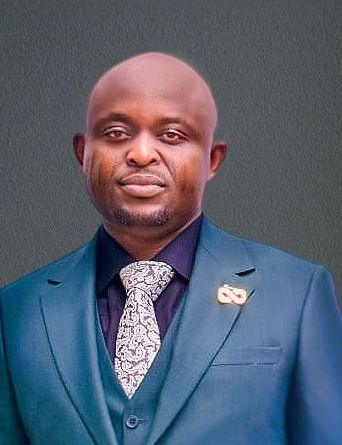
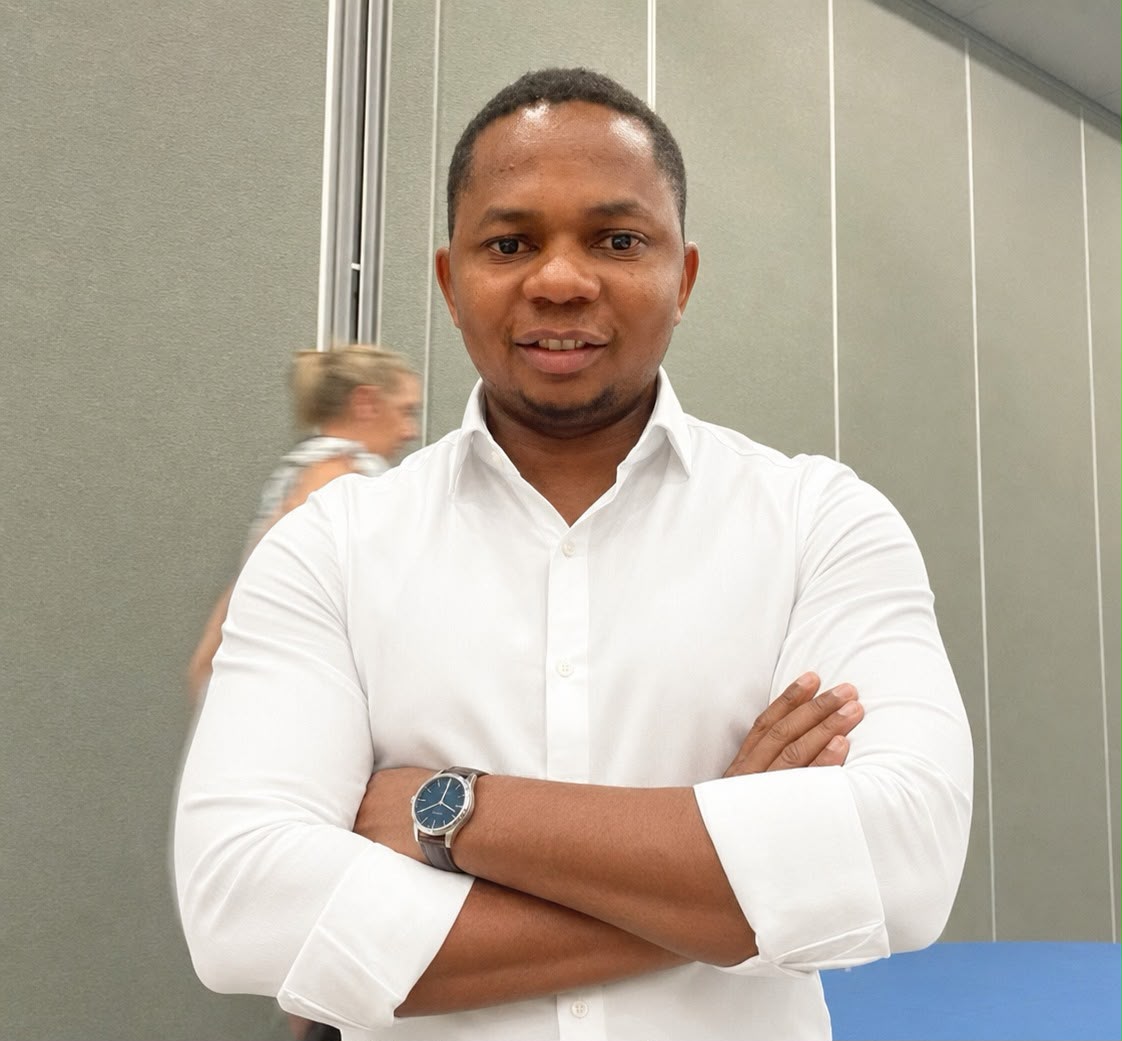
Sunday Sam Egon is a West African environmental researcher and a PhD candidate in Environmental Engineering at the University of Central Florida. His work focuses on urban flood risk, water quality and sustainable solutions for climate-vulnerable coastal cities, with particular interest in evidence-based approaches to strengthening resilience across the Global South.