Follow Us on Google
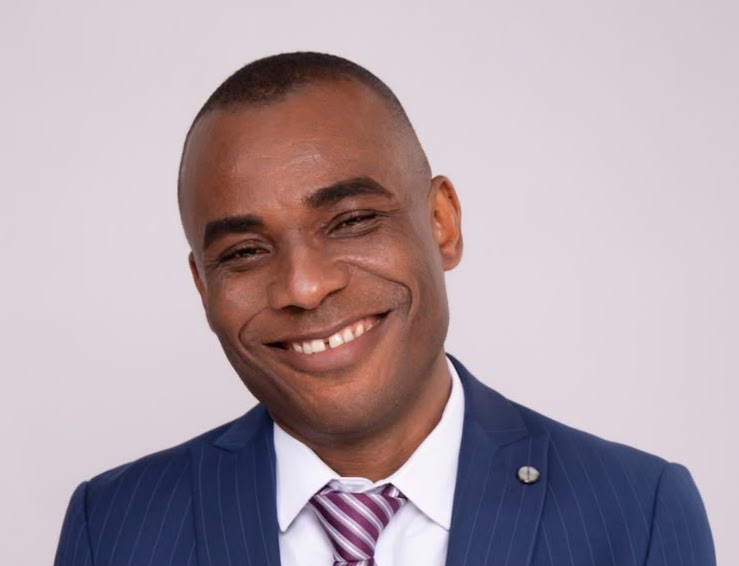
Prominent legal luminary and human rights advocate, Tessy Osakwe, has demanded immediate sanctions against Russia for its alleged involvement in the trafficking and forced labor of young African women in weapons manufacturing facilities.
Describing the situation as “heinous crimes against humanity,” Osakwe’s lends credence to a growing outcry over what appears to be a state-sponsored system of modern slavery.
Emerging reports reveal a disturbing pattern of deception targeting young African women, primarily from Nigeria, Kenya, Rwanda, Uganda, South Sudan, and Sierra Leone. Through carefully crafted social media campaigns, these women, mostly between the ages of 18 and 22, were offered phantom scholarships, lured with false promises of lucrative jobs, educational advancement, and a pathway to a better life in Europe.
“These young women were not just deceived; they were systematically hunted and trapped by a state machinery that showed complete disregard for their humanity,” Osakwe stated in an exclusive interview. “Russia exploited their vulnerability, their hope for a better future, and their trust in what appeared to be legitimate opportunities.”
The recruitment process seemed straightforward, requiring only a basic Russian language test and completion of a computer program. However, upon arrival in Russia’s Tatarstan region, the grim reality unfolded. Instead of the promised opportunities, the women were transported to the Alabuga Special Economic Zone, where they were forced to assemble drones for Russia’s war efforts in Ukraine.
From a legal standpoint, Osakwe who is the Chairman of the Anti-Human Trafficking Committee, NBA Ikorodu Branch, highlights multiple violations that constitute human trafficking under international law.
“Yes, I have heard about the Alabuga program based in Russia,” she said. “The scheme recruited young women under false pretenses, only for them to find themselves in forced labor, with their documents withheld and movements restricted.”
Tessy Osakwe meticulously outlined the glaring legal violations embedded in Russia’s alleged trafficking scheme, each point a damning indictment of systemic exploitation. First, there was the issue of fraudulent recruitment—a cruel deception where young women were lured with false promises of well-paying jobs and educational opportunities, only to be thrust into a nightmare.
Then came the reality of forced labor, where these women, stripped of choice, toiled under brutal conditions in drone manufacturing plants, their dreams replaced by the relentless demands of war machinery.
Further compounding the injustice was the breach of freedom of movement, their passports confiscated, their every step monitored, turning what should have been an opportunity into a gilded cage. Even more alarming were the unsafe working conditions, exposing them not just to grueling labor but to the hazards of war production, with no regard for their well-being. And perhaps most heartbreaking of all was the exploitation of minors, as reports suggested some victims were underage, their youth and vulnerability weaponized against them.
Each of these violations, Barr. Osakwe emphasized, was not just an isolated wrongdoing but part of a calculated system of abuse, one that international law must confront with urgency and resolve.
“All elements of human trafficking are present, the act, the means, and the purpose,” Barr. Osakwe asserted. “This is not just unethical; it is criminal and actionable under international law.”
The legal expert pointed to systemic issues that make African women easy targets for such exploitation.
“African girls are vulnerable due to poverty, lack of education, and insufficient grassroots sensitization,” she explained. “If we do not bridge these gaps, human traffickers will continue to exploit them.”
She emphasized the need for comprehensive awareness campaigns in both rural and urban areas to prevent future occurrences.
Barr. Osakwe noted that Russia’s actions violate multiple international statutes, including:
Barr. Osakwe underscored the gravity of Russia’s alleged crimes by detailing how they flouted fundamental international laws. These weren’t mere oversights, she argued, but blatant violations of established global protections, from the International Labour Organization (ILO) conventions, which safeguard workers’ rights, to Nigeria’s own Trafficking in Persons Prohibition Enforcement and Administration (TIPPEA) Act, designed to combat exploitation.
Beyond these, she stressed, Russia’s actions trampled upon a web of human rights and anti-trafficking laws, each crafted to prevent precisely this kind of systemic abuse.
Yet, for Osakwe, condemnation alone was not enough. She laid out a clear, actionable blueprint for justice. First, comprehensive data collection, because without evidence, accountability evaporates. Next, pro bono legal support to ensure victims, often stripped of resources, could still access justice. Then, overhauling judicial frameworks to deliver harsher penalties, sending an unambiguous message to traffickers. Finally, and perhaps most crucially, she called for deeper collaboration, governments, NGOs, and civil society working in lockstep to dismantle trafficking networks. This wasn’t just policy to her; it was a moral imperative, a lifeline for those still trapped in the shadows.
While acknowledging efforts by Nigeria’s National Agency for the Prohibition of Trafficking in Persons (NAPTIP), Osakwe called for an expanded scope of operations.
“NAPTIP is trying but can do more,” she said. “They should broaden their focus to include other forms of violence like sexual and gender-based violence (SGBV) and cultism. Additionally, they should strengthen partnerships with civil societies to improve training on identifying trafficking cases.”
Osakwe’s appeal to the United Nations Security Council is a crucial step toward holding Russia accountable. However, she stresses that African nations must also take proactive measures to protect their citizens.
“This is not just about sanctions; it’s about justice for these women and preventing future atrocities,” she said. “We must build a sustainable national and international framework to combat human trafficking, because the government alone cannot win this fight.”
As the world grapples with this unfolding humanitarian crisis, Tessy Osakwe’s voice stands as a clarion call for justice, demanding that the international community act before more lives are destroyed.