Follow Us on Google

The Lagos Chamber of Commerce and Industry has called for reliable electricity, faster gas-to-power development and better domestic refining efficiency.
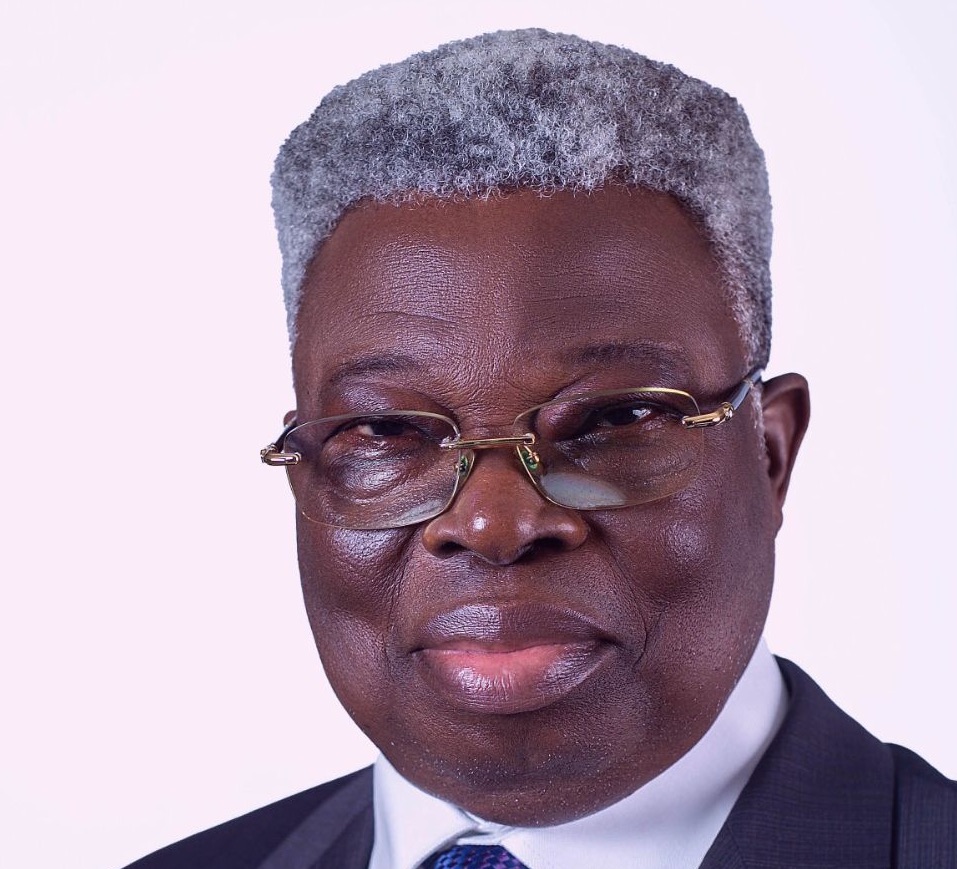
The LCCI President, Leye Kupoluyi, made the call at the chamber’s power sector group’s conference with the theme “Gas to Power: Unlocking Nigeria’s Energy Potential for Sustainable Economic Growth.” Advocating the development of 24/7 electricity supply hubs in industrial clusters, commercial centers, markets and technology parks, Kupoluyi said through partnerships between government and private investors, these hubs can combine gas-fired generation, renewable energy, battery storage and dedicated distribution infrastructure to provide more reliable electricity.
“Such arrangements can reduce businesses’ dependence on individual generators, lower operating costs and improve productivity.”
According to him, Nigeria possessed substantial gas resources that could be deployed to strengthen electricity generation and support industrial development.
He stated that gas-fired power plants could provide “dispatchable” electricity and complement renewable energy sources, helping to meet the needs of businesses that require dependable power.
Other News
Kupoluyi, however, emphasised that “gas-fired generation alone will not resolve all our electricity challenges,” stressing that “it must be accompanied by improvements in transmission, distribution, metering, market liquidity, and operational efficiency.
“The ultimate goal is to translate our natural resources into dependable electricity, competitive businesses and sustainable economic growth.”
The LCCI’s president stated that currently businesses, particularly manufacturers and small and medium-sized enterprises, were documenting the burden of frequent power outages in their financials as high energy costs, increased production costs, reduced capacity utilisation and weakened profit margins.
He said: “Electricity is the lifeblood of modern economic activity. Unfortunately, unreliable electricity supply remains a major constraint to business competitiveness and economic growth in Nigeria.
“Businesses, particularly manufacturers and small and medium-sized enterprises, continue to bear the burden of frequent power outages, high energy costs, and dependence on petrol- and diesel-powered generators.”