Follow Us on Google

By Merit Ibe
Amid the relentless surge in inflation, which soared to a 28-year high of 34.60 in November, the Lagos Chamber of Commerce and Industry (LCCI) has urged businesses to brace for added strain as they face the looming challenge of higher interest rates in 2025.
The chamber lamented that the increased rate continues to fuel a tense business environment as elevated prices constrain various business operations.
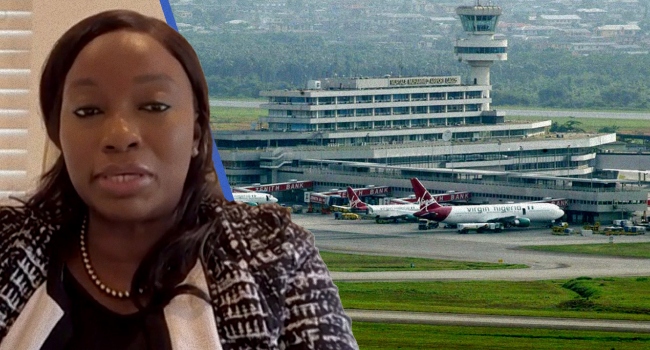
Director General of the chamber, Dr. Chinyere Almona, in her statement noted that with the raging inflation rate, the unsuccessful attempt of the Central Bank to reduce the currency in circulation, and the approaching high-spending festive period, “we are set to contend with even higher interest rates as the expected outcome from the next decisions by the CBN Monetary Policy Committee (MPC).”
Reeling out the implications of the high interest rate, she noted that high food and core inflation erode disposable income, reducing demand for non-essential goods and services. “Businesses also face increased business costs, as rising transportation, rent, and energy costs elevate production expenses, shrinking profit margins.
“Moreover, the uncertain macroeconomic environment weakens the investment climate, deterring both local and foreign investments. Persistent high inflation further threatens economic growth by diminishing the competitiveness of domestic industries and stifling expansion.”
Almona, however, expressed hope that while confronted with a weak impact of interest rates in curbing inflation, “we see a better performance of the reform measures implemented to boost production. Hopefully, we may see more of the impact of these measures on fundamental indicators like inflation, interest rates, and exchange rates.”
She argued that a coordinated effort is required to drive oil production to earn more FOREX, which is needed to defend the Naira in the short term.
“The new investments recently entering the oil fields can be well supported with a sound regulatory environment to sustain and attract more.”
“A disappointing negative record of our capital importation at $1.25bn during the third quarter of 2024 compared with $2.60bn recorded in the preceding second quarter of the year points to an unattractive environment for investors. Foreign Direct Investment, the most critical investment that shows long-term investor confidence, accounted for only $103.82m, or 8.29 percent.”
She further advised that the renewed fight against terrorism, kidnapping, and all other vices that make our farms unsafe must be sustained with more funding, the use of intelligence and surveillance technology, and the constitutional amendment to enable multi-level policing.
“Soaring food prices, rising energy costs, and widespread price pressures across various sectors, including housing, transportation, and personal services, primarily drive the persistent increase in inflation. These trends exacerbate the already strained economic conditions, undermining the purchasing power of consumers and the profitability of businesses.”
She expressed the hope that the ongoing reforms have the potential to pull through critical deliverables for the economy to return to a growth path and achieve positive levels of the critical economic indicators if sustained.