Follow Us on Google
By Lukman Olabiyi
Lagos State Government has announced a N500 billion agricultural programme, “Produce for Lagos,” aimed at addressing food insecurity and ensuring long-term access to affordable, nutritious food across the state.
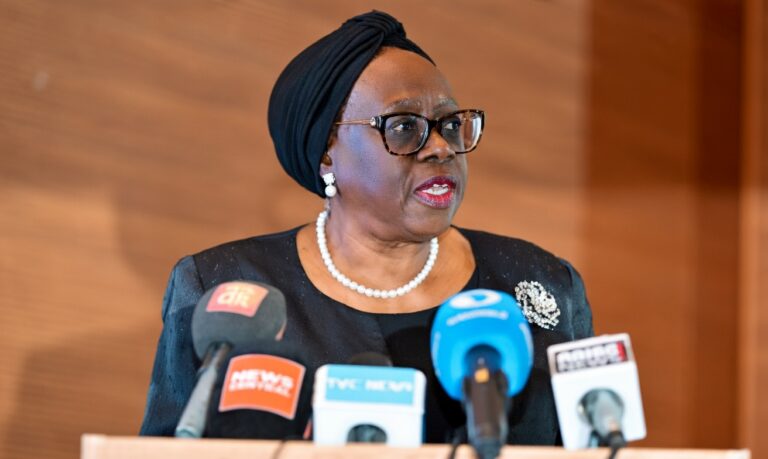
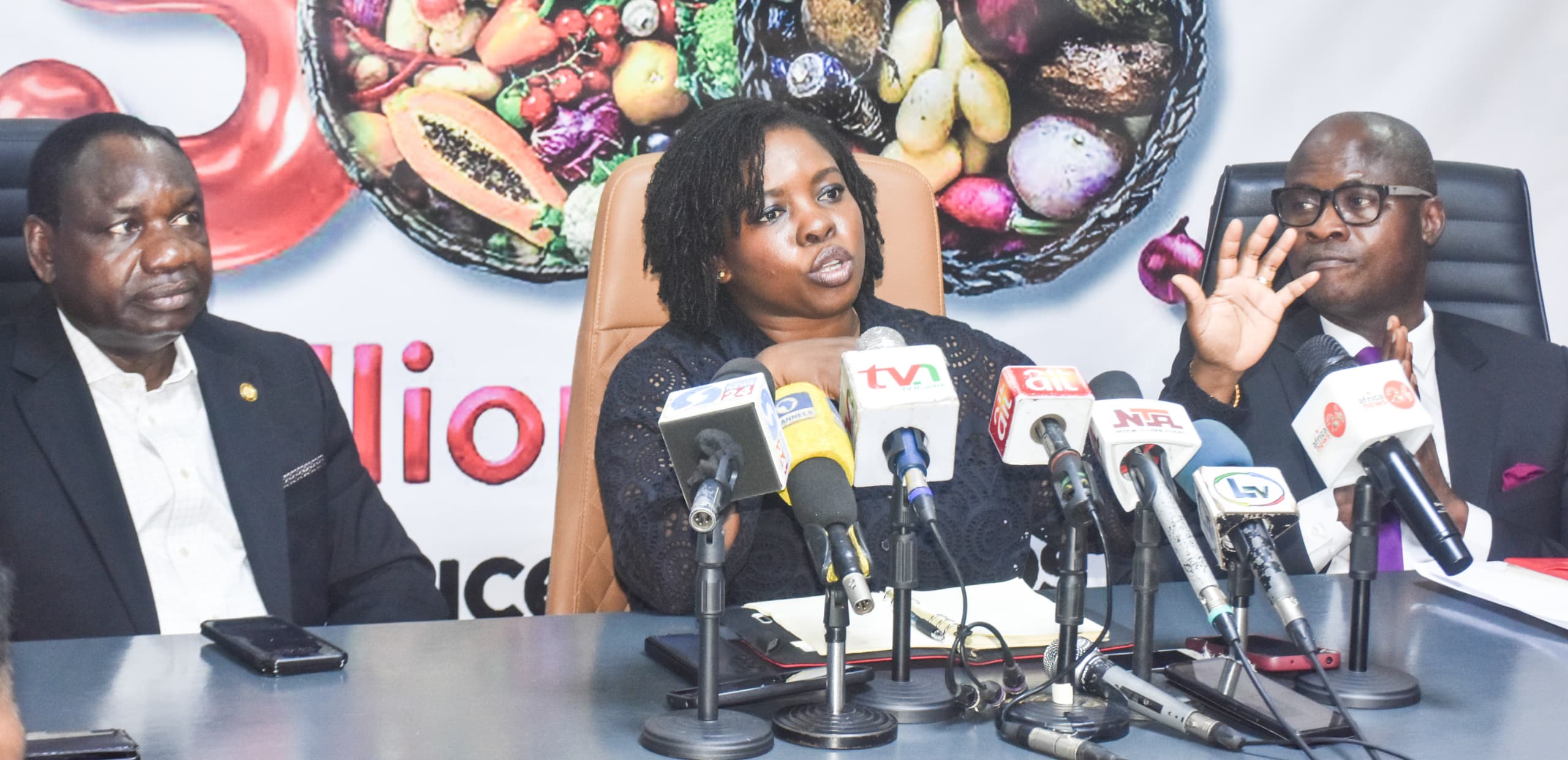
The initiative was unveiled by the Commissioner for Agriculture and Food Systems, Ms. Abisola Olusanya, at a press briefing ahead of its official launch scheduled for tomorrow.
Designed as a large-scale off-taker programme, ‘Produce for Lagos’ will focus on strengthening the state’s food supply chain through inter-state collaboration and strategic private sector investments.
“The initiative represents our commitment to building resilient, sustainable food systems by leveraging inter-state collaboration and private sector investment.”
Olusanya said with Lagos’ limited agricultural land, the programme prioritises regional sourcing and robust logistics systems to bring in food from partner states, ensuring consistent supply and reduced costs for consumers.
The initiative is anchored on four key pillars, including private sector investment, bulk aggregation, organised food value chains, health and nutrition impact.
She revealed that the state’s aggregation hubs have already processed over N3 billion worth of agricultural produce, highlighting the effectiveness of Lagos’ structured food logistics model.
According to the commissioner, the broader goal of Produce for Lagos is to prevent future food crises by building a dependable, cost-effective supply chain that links Lagos to major food-producing regions across Nigeria.
“We don’t want a repeat of past food shortages. This initiative ensures food keeps flowing into Lagos in the right quantity, quality and cost,” she said.
While the number of direct beneficiaries is still being finalised, the programme is expected to impact thousands of stakeholders, including farmers, aggregators, logistics providers and retailers across the agricultural value chain.
The launch holding today will convene policymakers, private investors and industry experts, and is seen as a critical step in Lagos State’s push towards food sovereignty, agricultural innovation and inclusive economic growth.