Follow Us on Google
By Chukwuma Umeorah
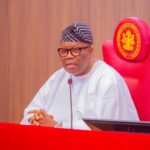
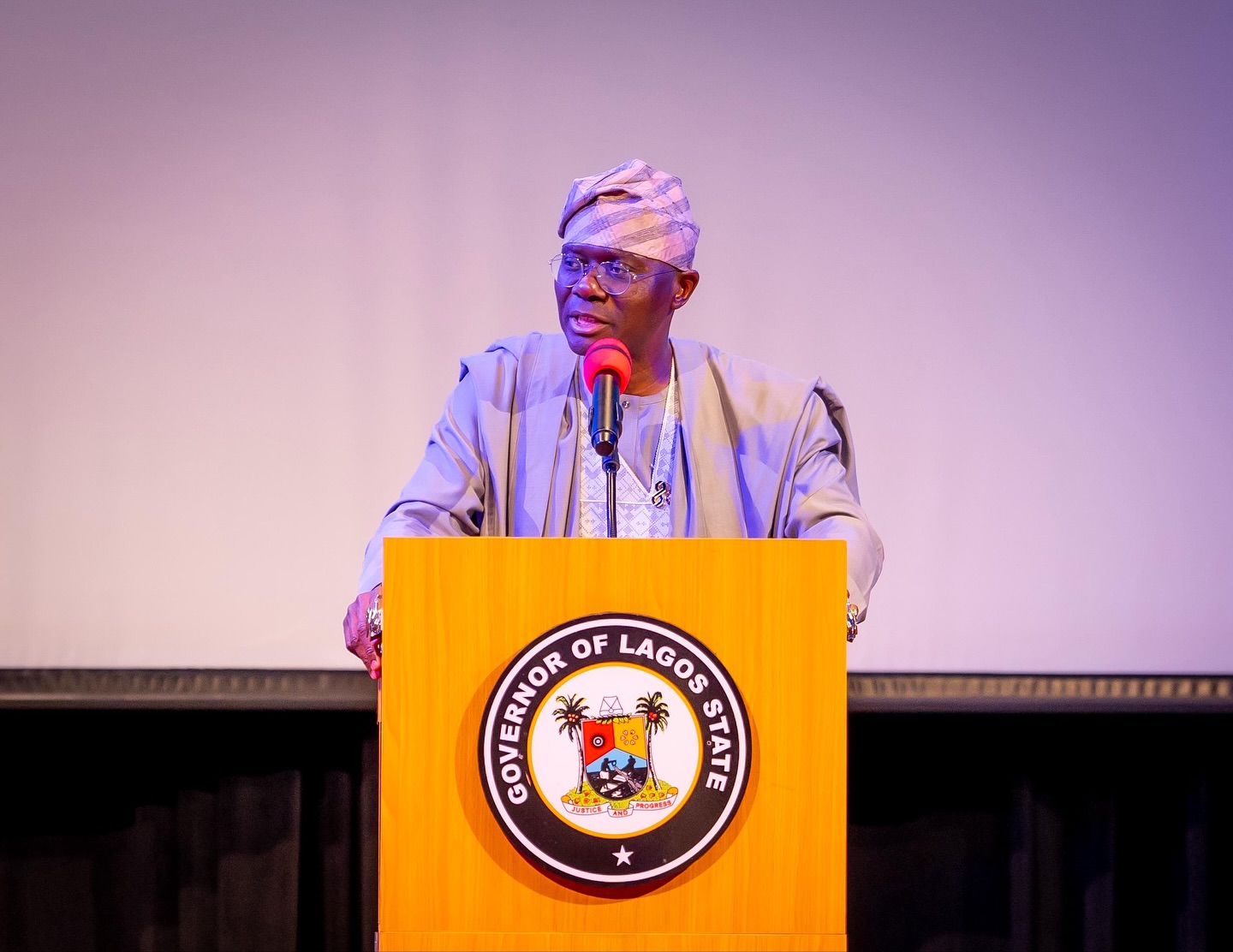
Lagos State Governor, Babajide Sanwo-Olu, has outlined the state’s strategy to attract investment and strengthen its economic base, linking capital inflows to the ongoing infrastructure expansion, institutional reforms and a growing innovation ecosystem.
Speaking at the release event of The World Ahead 2026 in Lagos yesterday, he said the state was prioritising measures to improve the ease of doing business while expanding critical infrastructure to support productivity. He noted that Lagos was not seeking short-term inflows but long-term partnerships aligned with its development agenda. The World Ahead is an annual special edition published by The Economist that examines critical themes, trends and events shaping the coming year.
“Lagos is open not for spectatorship but for serious partnership. We do not ask for sentiment, we’re asking for collaboration to build a real mutual value.” He added that the state offers “market skill, talent, entrepreneurial energy and an administration that understands the centrality of infrastructure, policy stability and institutional reforms.”
The governor linked the state’s investment drive to the ongoing transport reforms, including rail expansion and waterways development aimed at reducing congestion. He emphasised that an integrated mobility system is central to improving efficiency, noting that the Red Line rail is projected to move up to 500,000 passengers daily when fully operational.
“No single economy can rise on the back of a problem of broken connectivity,” he said, adding that Lagos is “building towards an integrated mobility ecosystem.”
On the broader economic outlook, he said cities would play a decisive role in shaping growth, particularly in the 21st century where economic power is increasingly urban. He also noted that climate-related risks such as flooding and coastal pressure require coordinated responses.
“For a coastal city like ours, sustainability is not just a fashionable add-on word for policy; it’s a governing necessity,” he said.
Managing Director of CT Productions, Camelia Oros Tsarouchis, noted that The Economist’s The World Ahead 2026 is under exclusive license to CT Productions for Nigeria. According to her, the forum was designed to provide forward-looking analysis of global and domestic economic trends within a rapidly evolving geopolitical environment.
She described the publication as a “future-gazing publication” that assesses global geopolitical and economic developments, noting Nigeria’s relevance in the evolving global investment landscape.
Other News
“For us in Nigeria, it is a very interesting time due to the fact that geopolitically, there are so many things happening now in the world. We believe that Africa and Nigeria is really the place to be,” she said.
Tsarouchis said the forum underscored the need for stronger linkages between large corporations, small enterprises and government institutions to enhance economic outcomes.
“We looked at the big industries with the small ones. We see how we can connect the small companies with the big ones and with the government and have the best result possible,” she said.
Highlighting Nigeria’s economic fundamentals, she cited the country’s youthful population and innovation potential as key advantages, while noting the importance of sustained policy support.
“I think the major strength that you have is the fact that you have a young population, you are very resilient, you have the main drivers of the economy,” she said. “With the right people at the helm of the country, there is nothing keeping Nigeria back.”
Discussions at the forum reflected broader concerns about constraints facing businesses, particularly access to finance and the ability to scale innovations across sectors, including manufacturing, agriculture, waste management and education.
Obi Nnanna, founder of KALTANI, a waste collection and recycling company, said waste management presents an opportunity for investment and job creation if supported by effective partnerships.
“If we can harness that waste, we’re not just creating revenue and profits, we’re also doing it for all the stakeholders within the state,” he said.
Participants also raised concerns about the education system’s alignment with labour market realities, calling for stronger collaboration between academia and industry, with emphasis on entrepreneurship and practical skills.