Follow Us on Google
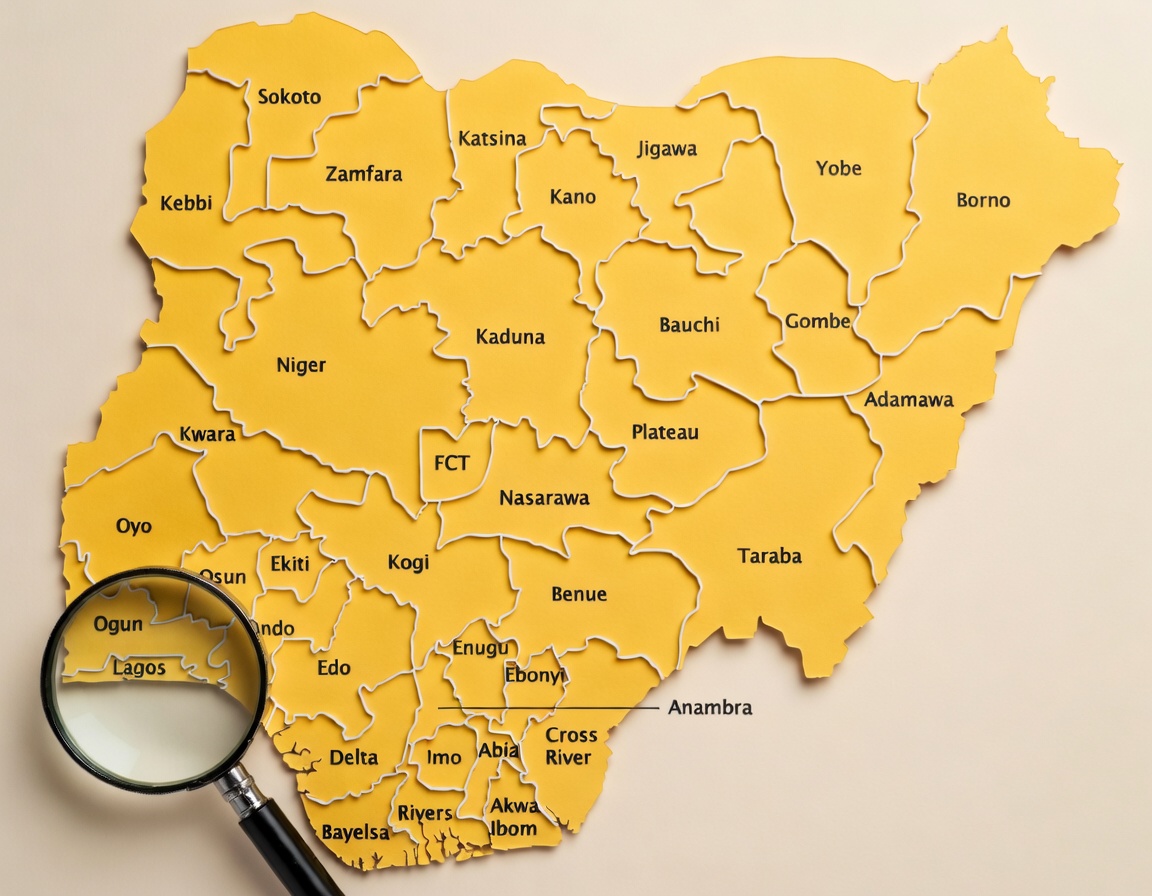
Lagos State has emerged as the most climate-resilient city in West Africa following a regional assessment of climate governance across the 15 member states of the Economic Community of West African States (ECOWAS).
The recognition came from the West Africa Climate Governance Index (WACGI), which assessed 209 sub-national governments using evidence-based indicators, including climate risk exposure, governance effectiveness, climate finance, transparency, public participation and implementation capacity.
According to the assessment, Lagos scored 86.3 out of 100, earning a Grade “A” and ranking ahead of Kano, the Federal Capital Territory (Abuja), Greater Accra, Praia, Dakar, Porto Novo, Abidjan Autonomous District, São Filipe and Bombali.
The WACGI said its evaluation aligns with the United Nations Sustainable Development Goals (SDGs) 13 and 17, as well as the African Union’s Agenda 2063, which seeks to promote a prosperous and climate-resilient Africa.
In recognition of the achievement, Governor Babajide Sanwo-Olu was honoured with the Grand Laureate of Climate Governance award for leading what the organisation described as the best-performing sub-national government in climate governance in West Africa for 2026.
In a letter dated July 8, 2026, addressed to the Lagos State Government, the Director of Fondation Lucien Paye, Prof. Julie Peghini, congratulated the governor for implementing policies and initiatives aimed at mitigating climate-related risks and strengthening climate adaptation across the state.
She stated:
Other News
“In recognition of this achievement, we are pleased to confer upon Your Excellency and the Government of Lagos State the distinguished honour of the ‘Grand Laureate of Climate Governance’ for the 2026 Best Performing Sub-national Government in West Africa.
The formal report and the raw results datasets are publicly available on the official French Government data repository.”
WACGI, a France-based climate policy initiative established by Fondation Lucien Paye at the Cité Internationale Universitaire de Paris, promotes improved climate governance across ECOWAS member states through performance indicators aligned with the Paris Agreement.
Peghini said the publication reflects the organisation’s belief that transparent and evidence-based assessments can drive institutional reforms and encourage governments to strengthen their climate governance systems through constructive recommendations.
The report also highlighted Nigeria’s broader climate governance framework, describing it as one of the most comprehensive in West Africa.
It cited key national initiatives, including the Climate Change Act 2021, the National Council on Climate Change, the Nationally Determined Contributions (NDC) 3.0, the Energy Transition Plan, the country’s long-term net-zero strategy and expanding climate finance initiatives.
Despite these efforts, the report noted that Nigeria continues to face significant climate challenges, including coastal flooding and erosion in the South, desertification and extreme heat in the North, riverine flooding in the Middle Belt, agricultural vulnerability, gas flaring and transition risks associated with the oil and gas sector.