Follow Us on Google

- As Wellington Clinics perform 4,657 surgeries in 15 years
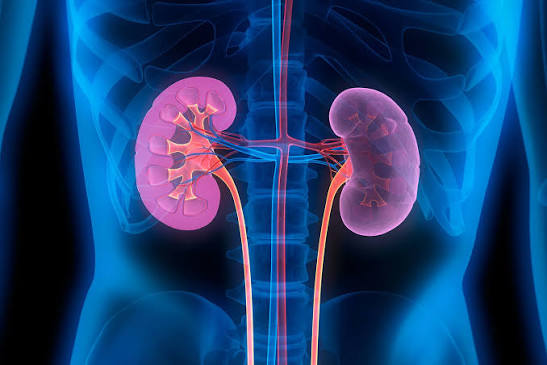
The Chief Executive Officer of Wellington Clinics, Abuja, Dr. Charles Ugwuanyi, has warned Nigerians against indiscriminate use of painkillers, untreated hypertension and diabetes, identifying them as major health risks that can contribute to kidney failure.
Dr. Ugwuanyi, a neurosurgeon, also called for greater investment in local specialist healthcare to reduce Nigerians’ dependence on medical treatment abroad.
He expressed concern over what he described as an increasing burden of kidney failure in Nigeria, citing an estimate of 9,000 new cases of end-stage kidney failure monthly, although the figure requires independent verification.
According to him, hypertension and diabetes remain important risk factors for kidney damage, particularly when patients fail to seek medical attention or do not adhere to prescribed treatment.
He also warned against the abuse of medications, especially non-steroidal anti-inflammatory drugs such as ibuprofen, indomethacin and naproxen, noting that prolonged or inappropriate use could damage the kidneys.
Ugwuanyi urged Nigerians to undergo regular blood pressure and blood sugar checks, adopt healthier lifestyles and seek professional medical advice rather than self-medicate.
“There are so many young men today walking around with hypertension. They don’t even know. And you ask them to go for a check-up, they tell you it’s not my portion,” he said.
He added that some people considered prescribed medication too expensive but spent substantial amounts on alcohol, which could worsen their health conditions.
The neurosurgeon also advised Nigerians to reduce excessive alcohol consumption, avoid drug abuse and pay greater attention to their diets and general wellbeing.
On the hospital’s performance, Ugwuanyi disclosed that Wellington Clinics had attended to 9,457 patients over 15 years and performed 4,657 surgical operations.
Of the operations, 2,150 involved the brain, while 2,307 were spine surgeries. The hospital also provides treatment for peripheral nerve conditions and other neurological disorders.
He explained that the facility was established in 2011 by specialists trained in the United Kingdom, with a primary focus on brain, spine and nervous system disorders.
According to him, the hospital has expanded its capacity with advanced diagnostic equipment, including Magnetic Resonance Imaging (MRI), Computed Tomography (CT) scanning, electroencephalography (EEG) and other investigative services.
He said the hospital also operates six theatres, an intensive care unit and a dialysis unit equipped with seven dialysis machines to support patients requiring kidney care.
Ugwuanyi stressed that effective intensive care required the capacity to support vital organs, including the heart, lungs and kidneys, particularly when patients developed complications during severe illness or after surgery.
He further disclosed that the hospital had invested in solar power generation after experiencing difficulties with electricity supply, adding that it recorded 120 days of uninterrupted power following the transition.
He said reliable electricity was essential for protecting expensive medical equipment, maintaining uninterrupted clinical services and improving patient safety.
The hospital, he added, had expanded its outpatient services through collaboration with specialists in cardiology, endocrinology, psychiatry, general medicine and other fields.
On epilepsy, Ugwuanyi challenged the stigma surrounding the condition, explaining that many patients could achieve seizure control through appropriate medication, while selected cases could benefit from surgery.
He similarly urged Nigerians not to dismiss persistent headaches as ordinary ailments, advising those experiencing recurring symptoms, particularly morning headaches, to seek medical evaluation.
The neurosurgeon said Nigeria could reduce medical tourism by strengthening local healthcare institutions, investing in modern equipment and developing the expertise required to manage complex medical conditions.
“Nobody should leave this country to go and get kidney transplant,” he said, arguing that although the country’s healthcare system was not perfect, Nigerians had a responsibility to improve it.
He urged the public to support healthcare professionals and focus on practical measures that would improve prevention, diagnosis and treatment rather than spreading unverified claims on social media.