Follow Us on Google
From Olanrewaju Lawal, Birnin Kebbi
The Kebbi State Primary Health Care Development Agency (KSPHDA) has reported that the introduction of the malaria vaccine one year ago in the state has reduced malaria cases by 50%, while coverage has reached 85%.
Alhaji Yusuf Umar Sawwa, the Kebbi State Health Promotion and Education Officer of the KSPHDA, confirmed this in an interview with newsmen in Birnin Kebbi.
Sawwa explained that immediately the Federal Government introduced the malaria vaccine to the state through the Kebbi State Government, the agency swung into action by mobilising traditional rulers, religious leaders, district heads, healthcare providers and non-governmental organisations (NGOs) to sensitise the people of the state on the need to allow their children to be vaccinated.
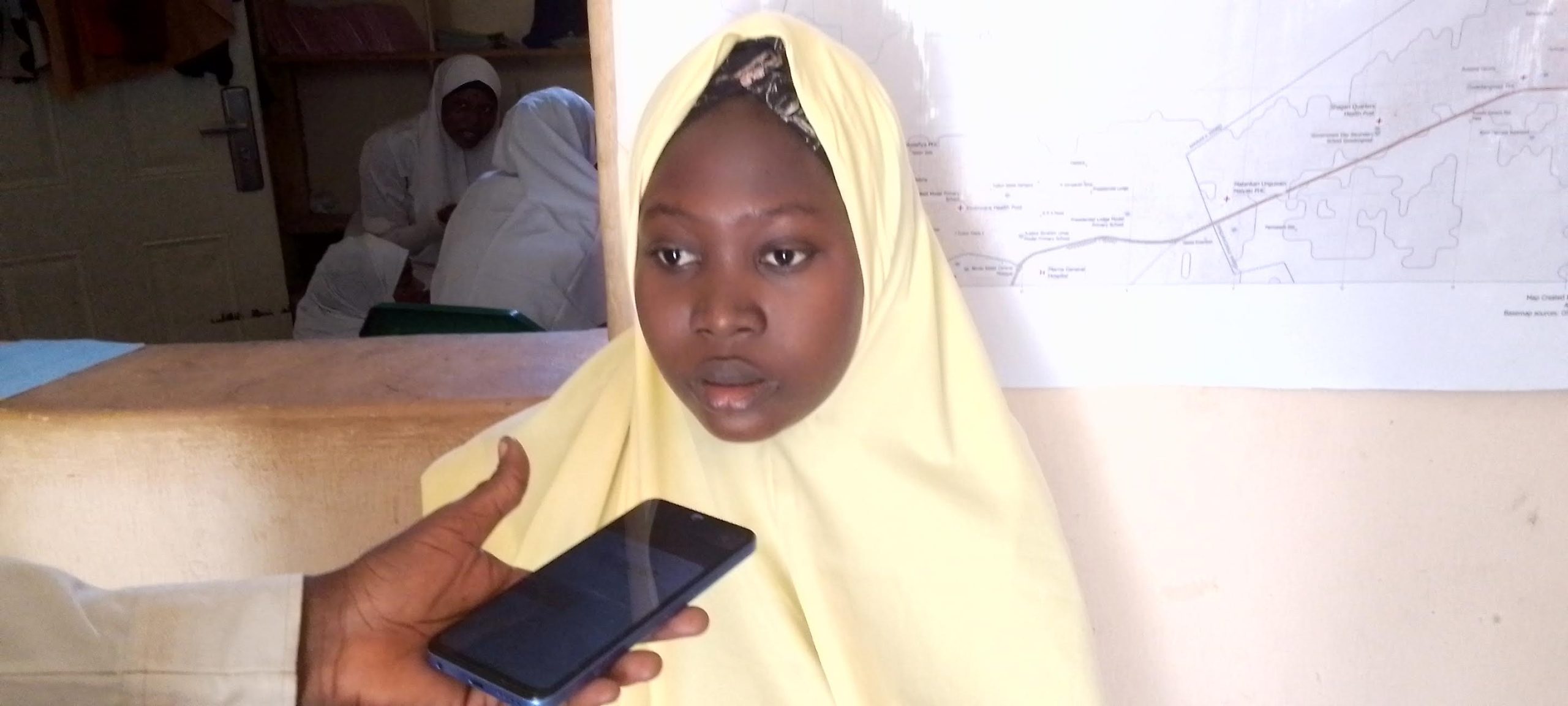
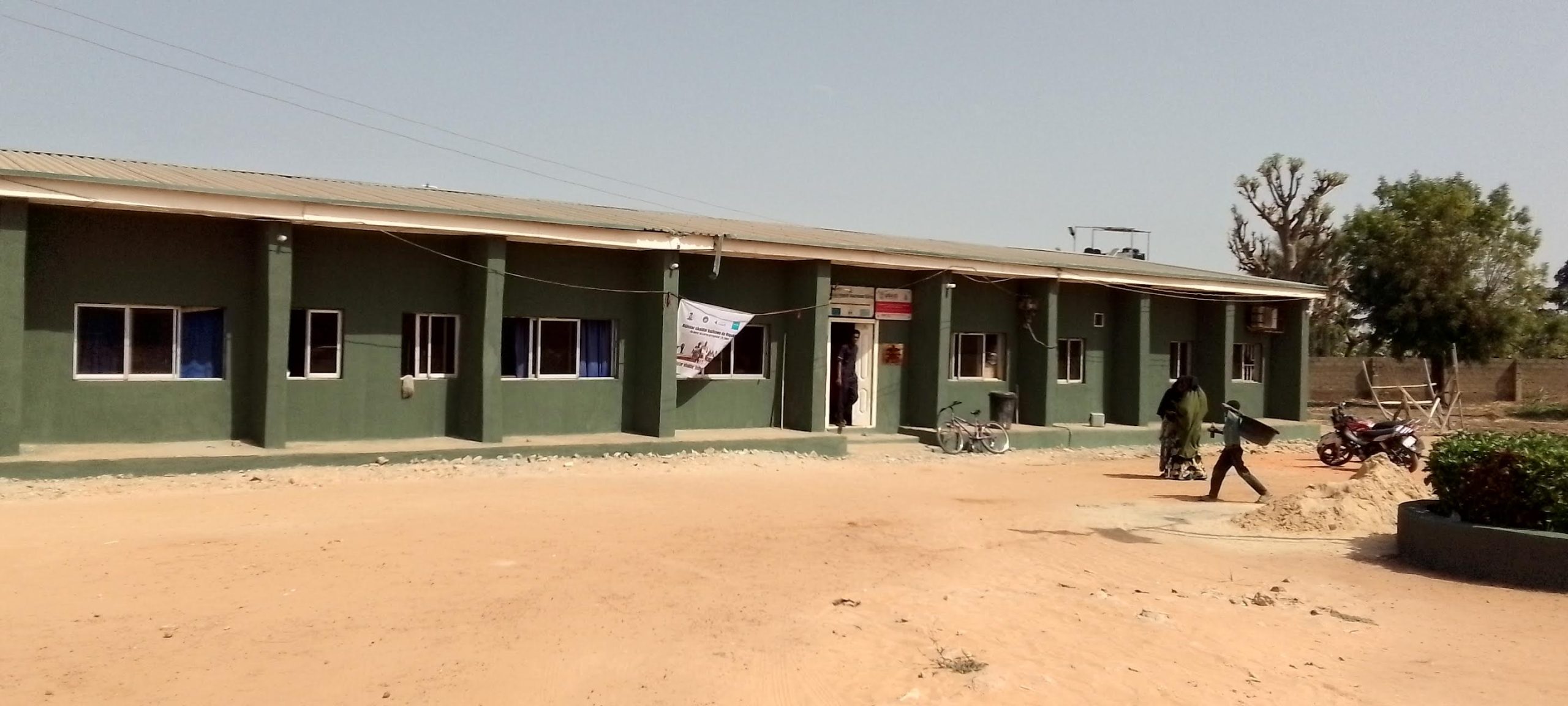
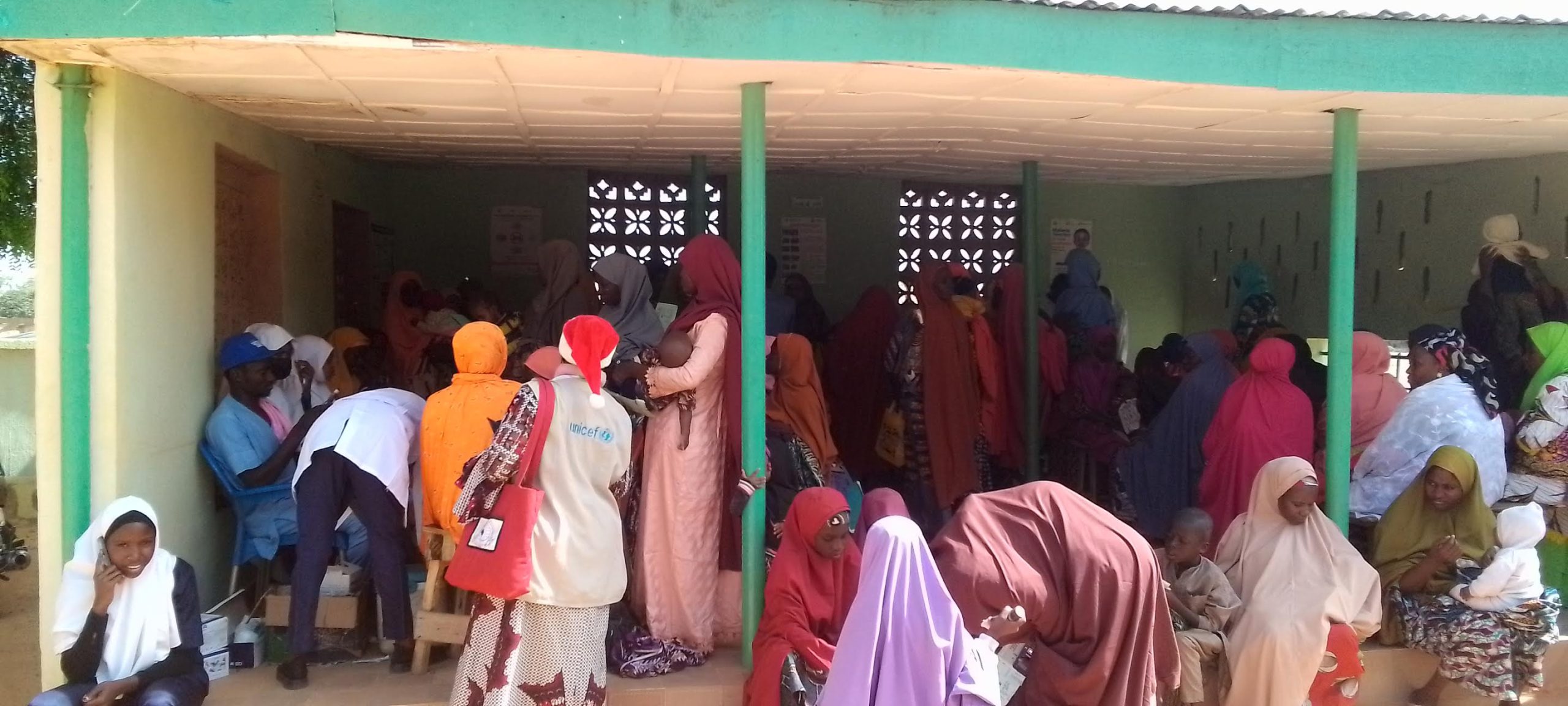
“After the introduction of the malaria vaccine, we felt it is very important and as the state, we commended the Federal Government for bringing the vaccine to our people. So, at the level of KSPHDA, we cannot go directly to various homes, so we passed the information through the traditional rulers, Emir of Gwandu, Emir Argungu, Emir Yauri and Emir of Zuru Emirate. We solicited from their assistance alongside their district heads. Thereafter, we created more awareness and enlightenment which make it easier for them to pass the necessary information to their people at the grassroots.
“We used different medium to pass out information and today, we are proud to say that we have recorded over 85 percentage coverage of malaria vaccine vaccination across the state.
“Looking at the record and our campaign, I can tell you that we have vaccinated large number of children and our data is still changing frequently. Just because, parents are still bringing their children from 5 years old, 6 years, 7 year and when the child is 15 years old. That means, a child has to visit a PHC to collect the vaccine before he or she could be said to have completed the vaccination.”
Sawwa disclosed that one of the measures the agency adopted to ensure rapid coverage was the sensitisation and enlightenment of healthcare providers who would be visiting the facilities whenever the parents bring their children. This, he said, would enable them to communicate vital messages to the parents.
“We also engaged religious leaders, traditional rulers. Through these important people in our society, our people at nooks and crannies get information about the malaria vaccine very fast. Apart from that, we also engaged media organisations such as radio stations, television stations and newspaper like your medium. This would enable parents to have enough information wherever they are.
“We also look at the social media too and we used the platforms to reach out people by sending correct informations through Twitter, WhatsApp, Facebook, bloggers and other platforms.”
He added that: “following our aggressive awareness, we have our record that the malaria cases, malaria infections have dropped by 50% because of the vaccination. We have done some assessments at the health facilities level and we have checked the attendants register. What we did was that, we selected rural and urban facilities and we checked their registers, out-patients and in-patients.. we realized that there were 50% reduction of malaria cases records. That is our findings and we are going to continue our campaign until all our children are vaccinated.”
During a visit to Gwandagbaji PHC, Birnin Kebbi, a large number of women were sighted turning out for various immunisation vaccines with their babies.
While speaking with our reporter, Aisha Yusuf explained that since she gave her baby the malaria vaccine December last year, he has not been coming to the health centre for treatment of malaria again. She thanked the Federal Government and Kebbi State Government for the introduction of the vaccine.
Also, Hajiya Afusat Usman, from Gwandagbaji community, said since her baby vaccinated with the malaria vaccine and her neighbour children, they have not been coming to the hospital for the treatment of malaria anymore.
Other News
However, a health worker at the Gwandagbaji PHC who spoke on condition of anonymity because they were not authorised to speak with journalists, confirmed that cases of malaria in the hospital has reduced.
At Takalau PHC (Old Town) in Birnin Kebbi, the turnout of nursing mothers for malaria vaccine and other vaccines was said to be impressive.
The in-charge of Takalau PHC, Shuaibu Umar, told our reporter that the cases of malaria patients has reduced since the introduction of the malaria vaccine. He noted that before the vaccine was introduced, the centre used to have 50 cases of malaria in a month.
According to him, “so far, the cases of the malaria has reduced now. But before, we do have many cases in a month. In one month before, we do have 50 cases but now, the figure has reduced. Since the introduction of the vaccine, we do have 15-20 cases. I think, the vaccine is working because the cases of malaria patients here has reduced.”
He said that the rate at which the nursing mothers are coming to the health centre to take the vaccine for their children are very high, stressed that the community mobilisers are doing a good job to enlightening the people the importance of the vaccine.
Umar added that any time baby were brought to the centre, if they subjected the baby to test on malaria, the result always be negative.
Speaking with our reporter at Takalau PHC, a nursing mother, Hajia Aisha Abubakar who had vaccinated her three-year-old baby, explained that since her baby received the vaccine, they have not been coming to the hospital for malaria treatment.
Also, Hajiya Nasira Ahmed who commended the Federal Government for the introduction of the vaccine, said since she took her baby to the PHC for the vaccine, the baby has not been infected again with malaria.
Hajia Nafisa Mohammad, a housewife from Baiti community in Birnin Kebbi Local Government Area, lost her first child, a bouncing baby girl to malaria ten years ago, commended the Federal Government and Kebbi State Government for the introduction of the malaria vaccine.
When she heard of an ongoing mass campaign vaccination of children against malaria through a radio station, embarked upon by UNICEF, she said she quickly jumped into it, informed her husband about it.
While narrating her experience, Nafisa Mohammad, who couldn’t hide her feeling, told our reporter that her son was the first child in Nigeria to be vaccinated with malaria vaccine. She disclosed that he was given his first dose on the 2nd December, 2024.
Nafisa said: “ten years ago, I lost my first child, my first daughter to malaria. It was a painful experience. We tried very hard to save the life of the baby, but we lost her. However, when I heard through the radio stations that Government, this UNICEF are embarking on the malaria vaccination, I told my husband about it that as a result of the enlightenment I received from radio station about the malaria vaccine. When I discovered the vaccine, I didn’t hesitate to take my child for the vaccine. Because I gave birth five times but my first child die as a result of malaria. But since this my son has been given malaria injection three times, he is healthy and I am very grateful”, she said.