Follow Us on Google
• Lessons Anambra guber election taught me
• Nigeria’s political field tilted to favour those in power
From Aloysius Attah, Onitsha
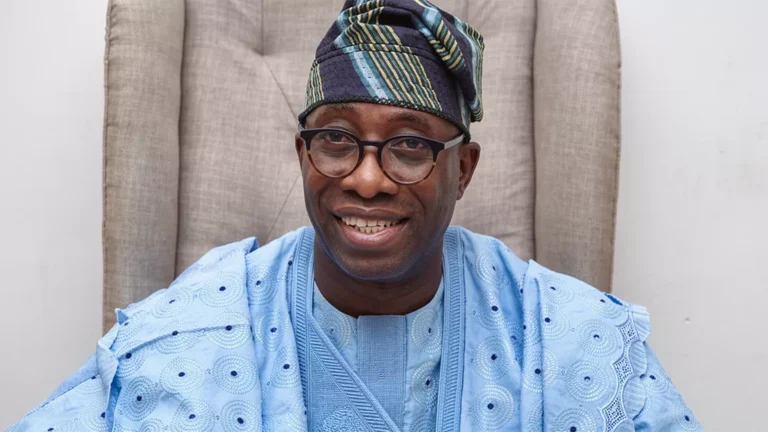
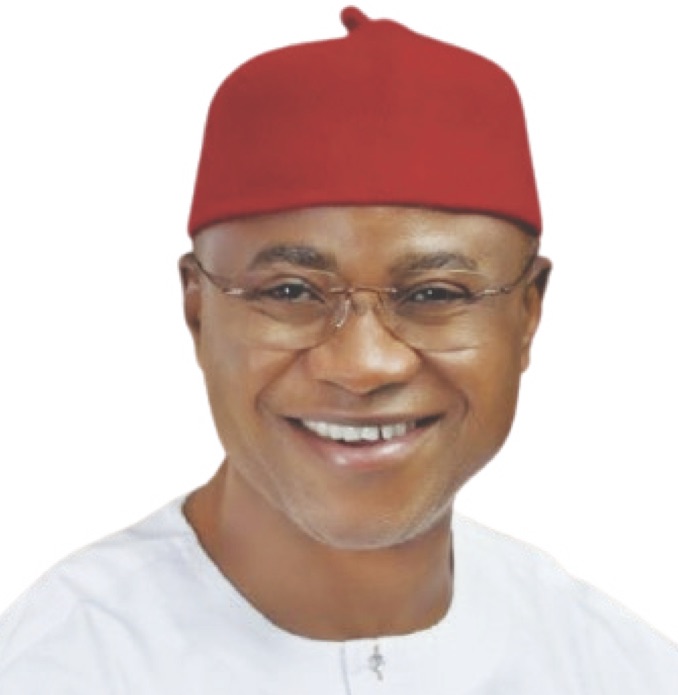
Mr John Chuma Nwosu, a technocrat and IT expert, was the governorship candidate of the African Democratic Congress (ADC) in the recently concluded election in Anambra State. In this interview, he shared his thoughts on the state of the nation politics, incarceration of the leader of the Indigenous Peoples of Biafra (IPOB) and other issues and lessons learnt after the Anambra election.
With the defections and seeming political manoeuvring across the country, how do you foresee 2027? Do you think there will be free and fair election?
The 2027 elections are shaping up to be a defining moment for our democracy. With the defections and political realignments we are witnessing, it is clear that many actors are prioritising personal or party interests over strong and resilient institutions and the underlying will of the people. Which ought to be paramount. While we remain hopeful that Nigeria can conduct free, fair and credible elections, there is growing concern that the playing field is being tilted in favour of those in power. As opposition, our focus will be on holding the government accountable, mobilising citizens, and ensuring that every Nigerian vote counts. The integrity of our democratic process must not be compromised, and we will continue to advocate for transparency, fairness, and an electoral system that truly reflects the voice of the people. Anything less would be a betrayal of the sacrifices of Nigerians over the years.
What is your reaction to the sentencing of the leader of the Indigenous People of Biafra, Mazi Nnamdi Kanu to life imprisonment? Particularly considering the opinion by some commentators who said that the government should have rather addressed issues of marginalisation of the Igbo nation in the affairs of the country viewed as the main cause of the group’s agitation and find political solution to his case and release him?
No responsible leader celebrates a situation where a fellow citizen is condemned to spend the rest of his life in prison, especially when the circumstances surrounding his actions are rooted in long-standing grievances and a deep sense of alienation. While I acknowledge that government has a duty to uphold the rule of law and maintain national security, justice must never be seen as detached from fairness, equity, and the broader political realities of our diverse nation.
The agitation associated with IPOB did not arise in a vacuum. It is largely a manifestation of years of perceived marginalisation, exclusion, and unaddressed concerns of the Igbo people in the political, economic, and security architecture of Nigeria. When such issues persist without sincere engagement, frustration inevitably finds expression in radical and sometimes unlawful forms.
In my view, a purely punitive approach, without a corresponding political and inclusive response, risks deepening mistrust and widening the cracks in our national cohesion. Many respected voices have rightly argued that dialogue, reconciliation, and genuine efforts to address structural imbalances would have offered a more sustainable path to peace than an extreme judicial outcome. I therefore believe that even at this stage, the Federal Government should not close the door to political solutions. Statesmanship demands that we look beyond winning court cases to winning hearts. Addressing legitimate grievances of the Igbo nation, rebuilding confidence in the Nigerian project, and exploring constitutional and political remedies — including clemency where appropriate — would send a powerful signal that Nigeria is committed to justice, inclusion, and unity. Our country is stronger when no group feels condemned to permanent exclusion. Healing, not hardening positions, should be our collective priority.
You were in the ballot during the last governorship election in Anambra state. Now that the electioneering period is over, what are your plans?
I see no opponents, only partners in the shared responsibility of building a safer and more prosperous Anambra. As a patriotic Onye Anambra, my loyalty has always been to the people and the progress of our state, not to personal ambition. I will offer my ideas and expertise. Security is too important to be politicised, and I believe that leveraging technology, data intelligence, and modern surveillance systems can significantly enhance the state’s existing efforts. My approach will be collaborative, not confrontational. I am ready to share insights from my hi-tech background, support any initiative that improves safety, protects lives, and restores confidence across Anambra. When it comes to security, there is no ruling party or opposition — there is only a common duty to serve and protect our people.
When will you congratulate Gov Soludo?
I have accepted the electoral outcome for the sake of respect for peace and due process. However, congratulating someone is a moral choice, not a compulsory ritual. I will not offer congratulations in a way that endorses or sanitises vote buying and other corrupt practices. Winning through corrupt processes is not something to celebrate—just as society does not celebrate wealth acquired through yahoo yahoo. Acceptance of a result does not mean approval of the methods used. My position is clear: I stand for clean politics, credible elections, and the dignity of the voter. When our electoral process reflects the true will of the people, free of inducement and manipulation, then congratulations will come naturally. Until then, my responsibility is to speak truthfully, uphold democratic values, and continue to advocate for a better system. I wish the governor and his deputy well and will continue to pray to God to guide and protect them to serve Ndi Anambra well.
Political pundits say that contesting election against a sitting governor is like facing a speeding train. What political lessons have you learnt in this just concluded governorship election?
The major lesson from this election is that our political process is still far from being free, fair, or credible. State power was openly deployed, institutions were compromised, and hunger was weaponised to manipulate the choices of struggling citizens. When people are forced to choose between conscience and survival, democracy suffers. I have also learnt that courage and conviction still matter.
Other News
Despite the overwhelming odds, our campaign resonated with the people, exposed the failures of the system, and awakened political consciousness across the state. That, in itself, is progress. Another critical lesson is the urgent need for electoral reforms and stronger institutions. Democracy cannot thrive where incumbency is abused and the will of the people is subordinated to power and patronage. Finally, this experience has reinforced my belief that change is a journey, not an event. While the contest may have been concluded, the struggle for justice, accountability, and true democracy continues — and it is a struggle we remain committed to, alongside the people.
Our electoral system is riddled with so many errors and challenges. In your own view, what reforms with consequent actions do you think Nigeria need to implement urgently to remedy the political system?
Nigeria urgently needs strict enforcement of campaign finance laws, with real sanctions for violations. INEC must be made more independent and technologically stronger, while security agencies should be neutral, professional and willing to prosecute electoral offenders. Internal party democracy, transparent primaries, and swift resolution of electoral disputes are also critical to restoring credibility to our political system.
What are the immediate changes you want to see in Governor Soludo’s administration in the next one year?
In the next one year, I would like to see a government that fully harnesses technology as a tool for security, transparency, and inclusive development. First, on security, the state should deploy smart surveillance systems—CCTV coverage in urban and strategic rural areas, integrated with data analytics and emergency response platforms.
Technology should support community policing through digital reporting channels, real-time intelligence sharing, and proper coordination among security agencies. When security is proactive and intelligence-driven, lives and investments are better protected. Second, on transparency and governance, government processes should be largely digital and open. Budgeting, procurement, and project execution should be accessible on public digital dashboards where citizens can see how funds are allocated and track project implementation in real time. E-governance platforms should reduce human discretion, curb corruption, and make public services faster and more accountable.
Third, I want to see technology-enabled service delivery—from digital land administration to online tax and revenue systems that are fair, traceable, and non-exploitative. This will improve internally generated revenue while building public trust.
Fourthly, I want to see him champion a strong, sustained advocacy against vote buying. Vote buying is a direct assault on democracy—it robs citizens of their voice, rewards corruption, and produces leaders who feel accountable to money, not the people. Winning through corrupt processes is wrong, just as becoming wealthy through fraud is wrong. Now that he has secured a second term, he should endeavour to make the forthcoming local government elections as transparent, free, fair, and credible as possible. Other parties competing and winning seats will strengthen our democracy at that critical third tier of government.
Now that the election is over. Will you return to your original party, LP?
No. At this moment, my focus is on strengthening and building my party, ADC, in consultation with supporters, stakeholders, and associates who stood with me throughout this process. What remains constant is my commitment to good governance, accountability, and people-centred leadership. Politics must always serve the people first, and that principle will guide my decisions
Considering the small support or lack of support Mr Peter Obi gave you as against what he gave others, and knowing you once saw him as a political mentor, will you still support his Presidential ambition?
The election is over, and my focus now is on Anambra’s progress, not party shuttling. My political decisions will be guided by principle and the best interest of Ndi Anambra. As for Mr Peter Obi, I remain respectful of his contributions to our politics and will support any ambition of his that aligns with good governance, fairness, and the welfare of the people.
Do you subscribe to suggestions in some quarters that Peter Obi should be deputyto Atiku Abubakar for Obi to have any hope of becoming president at some point?
I believe leadership choices should be driven by vision, credibility, and the will of the people, not political speculation. Any alliance must be based on shared values and clear benefits for Nigerians, not merely on electoral calculations