Follow Us on Google
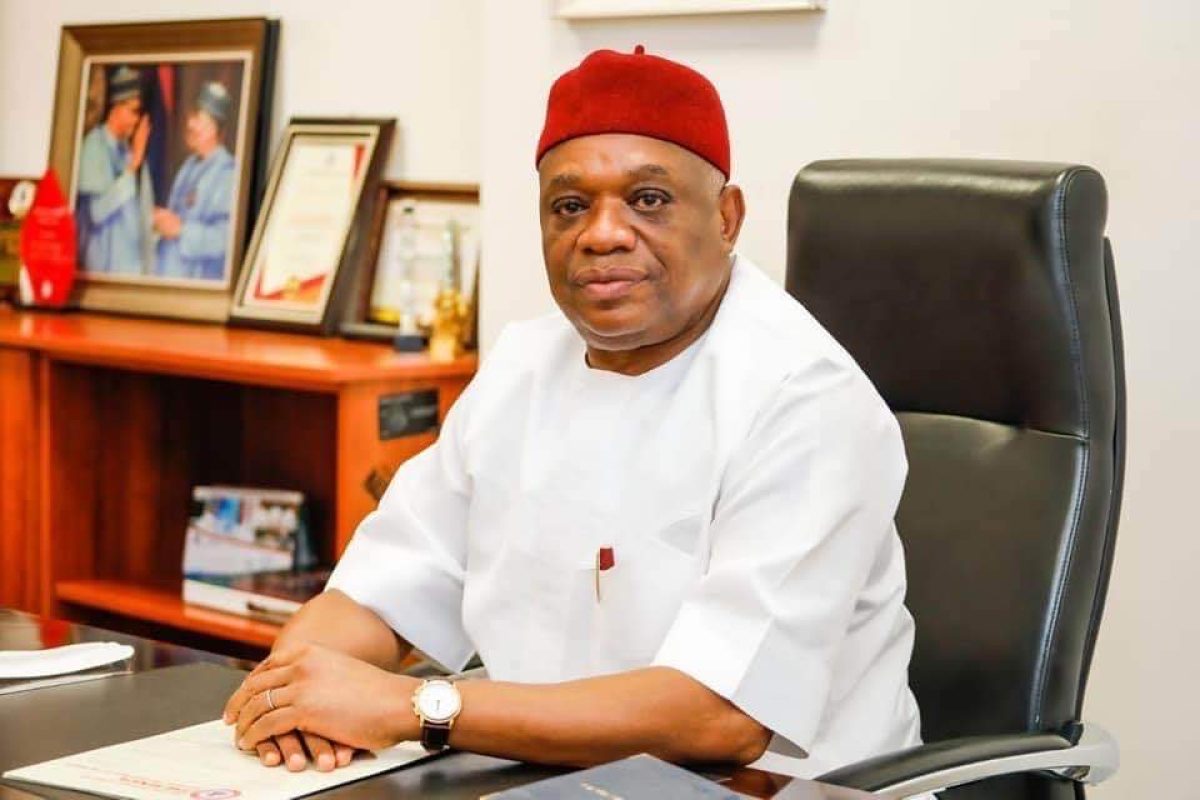
The senator representing Abia North Senatorial District, Senator Orji Kalu, has been described as a man who left insurmountable legacies in building Abia state during his tenure as the State governor.
Senator Kalu’s recent bold assertion has reignited conversations about his tenure in office, when he claimed that he built Abia and saved funds for the State as governor.
Although his declaration prompted both admiration and scepticism among political analysts and citizens alike, it encapsulated a broader narrative about the challenges and triumphs of governance in Nigeria, particularly in the South-Eastern region.
While confirming the claims in his response through a statement in Abuja on Thursday, Rubby Obinna, noted that: “Orji Kalu served as the governor of Abia State from 1999 to 2007, a period marked by significant political turbulence and economic challenges. After nearly three decades of military rule, Nigeria transitioned to a democratic system, and the expectations for governance were astronomically high.
“Kalu’s rise to power came with promises of infrastructural development, economic rejuvenation, and social welfare initiatives. He was seen as a beacon of hope for a state that had struggled with underdevelopment and corruption,” Obinna noted in the statement..
Referring to Senator Kalu’s recent remarks on the infrastructure projects he initiated during his administration to buttress his claims, Obinna referred to the “construction of roads, schools, and healthcare facilities as pivotal achievements that transformed the state’s landscape.”
According to Kalu, the developments were not just physical structures; they were lifelines for the people of Abia, designed to foster economic growth and improve living standards. “When I took office, Abia was in dire need of infrastructure. I made it my mission to ensure that we laid a solid foundation for future generations,” he stated passionately.
Corroborating the claim, Obinna noted that: “Kalu-led administration is often credited with revitalising the commercial sector in Abia State, especially in Aba, which is renowned for its vibrant markets and entrepreneurial spirit. Under his leadership, the state saw an influx of small and medium-sized enterprises, a move that significantly contributed to job creation and economic stability.
“Kalu argued that by saving funds and investing in local businesses, he was able to empower citizens and reduce unemployment rates. He did not just build roads; he built opportunities for our people,” he confirmed.
“Kalu’s claims attract attention to a critical aspect of Nigerian politics: the legacy of leaders. In a country where leadership is often scrutinised, the ability of past governors to articulate their achievements can significantly impact future electoral outcomes.
“As Kalu continues to champion his record, other political figures in Abia State and beyond are likely to respond, either by challenging his narrative or by trying to emulate his success,” the statement read,” the statement read.