Follow Us on Google
- Musawa: Abiola gave fortune, liberty, ultimately life
- Warns against reducing struggle to mere public holiday
- Ose Oyamendan: If you don’t tell your story, somebody else will
By Beifoh Osewele
The Federal Government has declared that Nigeria’s democracy was fought for, not freely handed down, warning that June 12 must not be reduced to a public holiday stripped of the sacrifice, resistance and pain that produced it.
Minister of Art, Culture, Tourism and the Creative Economy, Hannatu Musawa, made the declaration on October 1 at the national premiere of MKO, Ose Oyamendan’s documentary on Chief Moshood Kashimawo Olawale Abiola and the June 12 struggle, at the Wole Soyinka Centre for Culture and the Creative Arts, Iganmu, Lagos.
“For too many young Nigerians, June 12 is simply a public holiday. This film turns it back into our memory,” Musawa said.
“It reminds us that our democracy did not arrive by chance. It was a choice. It was defended. It was painful.”
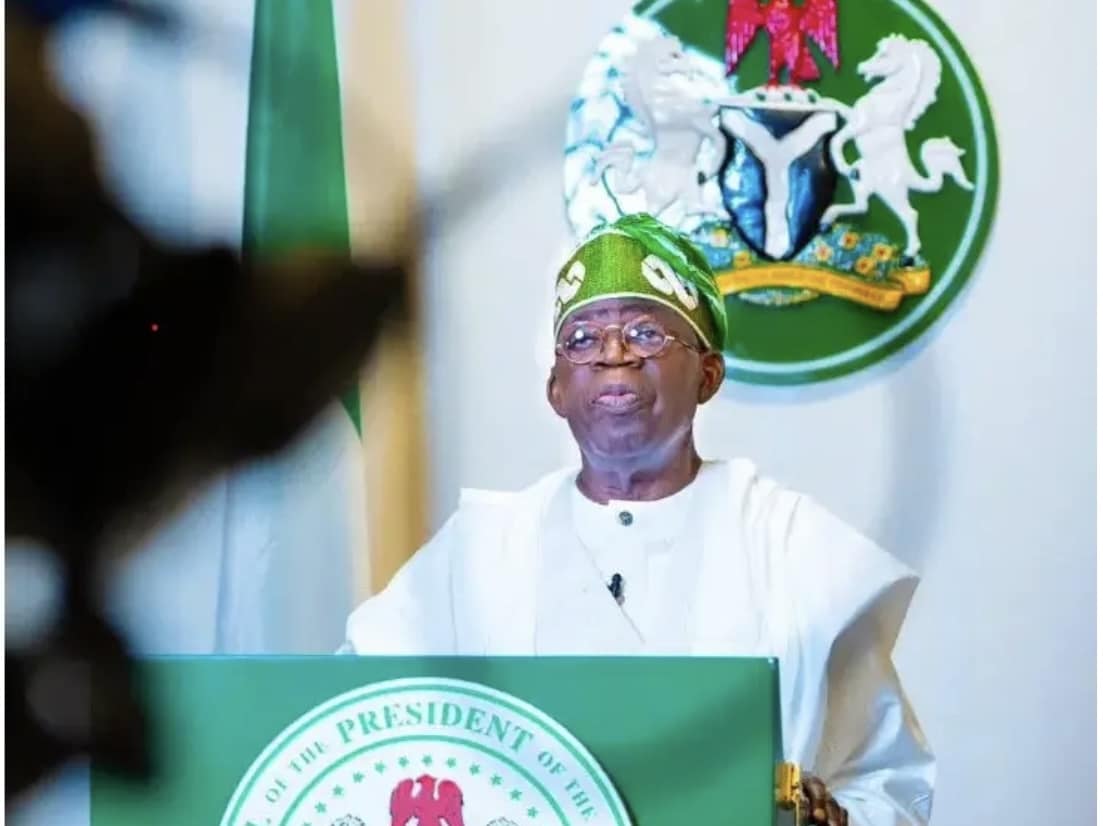
President Bola Ahmed Tinubu was Chief Host at the premiere, which attracted the First Lady, Senator Oluremi Tinubu; Senate President Godswill Akpabio; governors, senior government officials, diplomats, business leaders, media personalities and people from different walks of life.
Musawa said the June 12, 1993 presidential election represented a defining moment when Nigerians rose above ethnic and religious divisions to make a common democratic choice.
“On June 12, 1993, Nigerians stood as one people. Across religion and ethnicity, we came together and gave Moshood Abiola that mandate,” she said.
“That mandate was unfortunately denied. But the voice behind it was never, ever silenced.”
Abiola, presidential candidate of the defunct Social Democratic Party (SDP), defeated Bashir Tofa of the National Republican Convention (NRC) in the election before the military government of General Ibrahim Babangida annulled the process.
Successive administrations have since moved to restore official recognition to the mandate. In 2018, then President Muhammadu Buhari described the poll as “undisputedly the freest, fairest and most peaceful” since Independence, declared June 12 Democracy Day and posthumously conferred the Grand Commander of the Federal Republic (GCFR), Nigeria’s highest national honour, on Abiola.
President Tinubu has gone further, putting on official record that Abiola and his running mate, Baba Gana Kingibe, were the victors of the election and, therefore, the duly elected President and Vice President of Nigeria.
Musawa, however, said the meaning of June 12 went beyond official recognition, national honours and the declaration of a public holiday.
“It was carried by men and women who paid with their freedom, their comfort and, perhaps, their lives,” she said.
“MKO himself gave his fortune, his liberty and, in the end, he gave his life.”
Abiola was arrested in 1994 after insisting on his electoral mandate and remained in military detention until his death in 1998.
The gathering observed a minute’s silence in honour of the known and unknown heroes and heroines of the June 12 struggle before Musawa turned towards Tinubu, himself a participant in the pro-democracy struggle of the period.
“Mr President, it is fitting that you are our chief guest,” she said.
“You were not a spectator of June 12. You stood in that struggle, and you paid its price with exile.”
But Musawa reserved some of her strongest words for a generation of Nigerians too young to have witnessed the election, its annulment, the protests and repression that followed.
“To the young people of Nigeria, we say: this is your history. This is your inheritance. And the next chapter, it really does belong to you.”
She said the country could not afford to lose its history between generations, stressing the role of film and other forms of creative expression in preserving national experiences.
“Nigeria has a story. Africa has a story. The black world has a story,” the minister said.
“Our story matters, our history matters, our voices matter, and our story deserves to be told.”
It was a point that found ready resonance with Oyamendan, a former Nigerian journalist with the defunct Concord Press, who spent almost 13 years bringing MKO to the screen.
Oyamendan was working with Weekend Concord, owned by Abiola, when the June 12 crisis erupted. More than three decades later, he returned to the story as a filmmaker, tracking down former military rulers, Presidents, diplomats, politicians, activists, journalists, members of the Abiola family and others who witnessed or participated in the events.
For him, allowing Nigerians to tell their own story was central to the undertaking.
“When you don’t tell your story, somebody will tell it for you and it’s not always rosy,” Oyamendan said.
“June 12 is a significant part of our history and we must know it. You build strength from knowledge.”
Despite having worked in Abiola’s newspaper organisation and acknowledging his admiration for his former employer, Oyamendan said he was determined not to turn the documentary into an uncritical celebration of its central character.
“Going into this film, my first objective was that I am going to take my biases out of it,” he said.
The 108-minute documentary consequently allows actors on different sides of the June 12 crisis to give their accounts, including those who exercised power at the time and those who resisted the annulment.
Oyamendan said his ultimate ambition was for MKO to travel beyond festivals and commercial cinemas and reach Nigerians who might otherwise have little contact with the history it documents.
“We want to take it to schools, towns, villages and anywhere where there are people,” he said.
“You’re creating something for my children and your children, laying a foundation for tomorrow to remember yesterday.”
For Musawa, that inter-generational connection was precisely what gave the documentary contemporary relevance.
“For too many young Nigerians, June 12 is simply a public holiday,” she said.
“Our democracy did not arrive by chance. It was a choice. It was defended. It was painful.”
Following its October 1 national premiere, MKO opens in cinemas nationwide from October 2.