Follow Us on Google
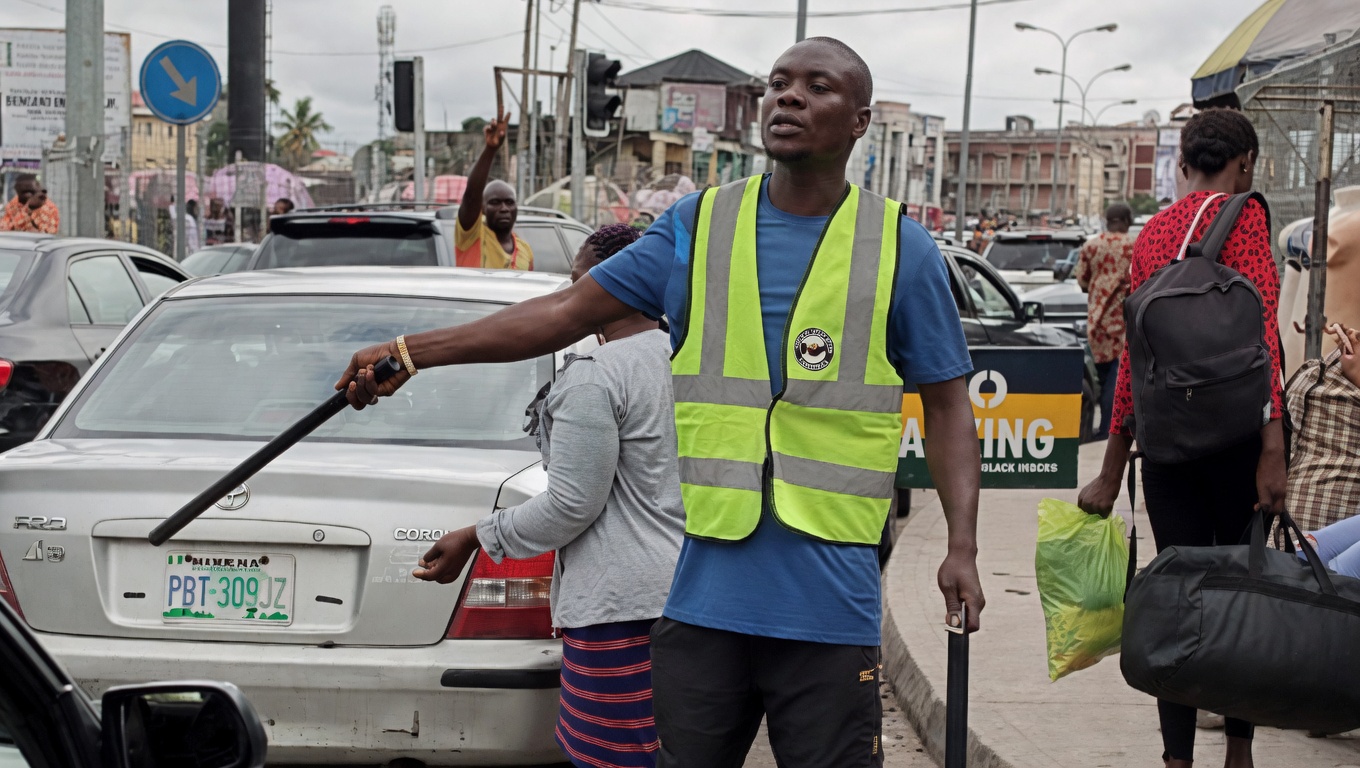
In what many have described as the roadblock racket crackdown, the Joint Revenue Board (JRB) teams up with the Nigerian Police Force to dismantle illegal tax roadblocks and enforce compliance across the country.
The initiative, unveiled during a high-level engagement between both institutions, is a coordinated push to restore order to revenue administration and ease the burden on businesses and commuters long subjected to arbitrary levies.
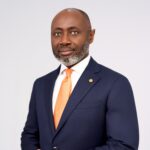
Executive Secretary of the JRB, Segun Adesokan, said the partnership aligns with the Board’s mandate to drive uniformity, transparency, and efficiency in tax systems nationwide. He stressed that the reforms championed by President Bola Ahmed Tinubu are aimed at rebalancing the tax environment.
“The ongoing reforms are designed to promote fairness and economic growth by focusing on taxing prosperity rather than poverty, and profits rather than investments,” Adesokan said.
At the heart of the crackdown is a firm prohibition of illegal tax practices that have proliferated along transport corridors, where unauthorized agents mount roadblocks to extort payments from drivers. Adesokan recalled that at its 158th meeting in December 2023, the JRB issued a communiqué banning such practices nationwide, including the use of unauthorized tax stickers.
He added that legislative backing is gaining momentum, with a Model Harmonized Taxes and Levies Act already passed by 15 State Houses of Assembly and under consideration in others. The law criminalizes cash-based tax collection, the erection of illegal roadblocks, and the involvement of non-state actors in revenue collection on public roads.
“These unlawful practices not only harass citizens but significantly increase the cost of goods and services, as transporters are forced to pass on illegal charges to consumers,” he stated.
Other News
To give teeth to enforcement, the JRB is proposing a joint national task force with the police. The unit will operate across all states, working with revenue authorities to identify, dismantle, and prosecute illegal tax operators.
Responding on behalf of the Inspector-General of Police, Deputy Inspector-General Mohammed Abdul Suleiman welcomed the collaboration and pledged full support.
He acknowledged the economic and security risks posed by illegal roadblocks and assured that Commissioners of Police in all states would work closely with the JRB and sub-national tax authorities across the 36 states and the Federal Capital Territory to eliminate the practice.
The police, however, stressed that enforcement alone would not suffice, calling for a balanced strategy that includes stakeholder engagement to address underlying drivers of illegal tax collection, including the role of some local actors.
Both sides agreed to develop a comprehensive implementation framework, marking what officials describe as a decisive step toward cleaning up Nigeria’s tax ecosystem, lowering the cost of doing business, and protecting citizens from unlawful levies.
The meeting drew top-level participation from the police hierarchy, including senior officers overseeing training, intelligence, ICT, and operations, alongside key JRB officials such as the Acting Executive Chairman of the Federal Capital Territory Internal Revenue Service, Michael Ango.