Follow Us on Google

“Fear of losing power corrupts those who wield it and fear of the scourge of power corrupts those who are subject to it.”
—Aung San Suu Kyi
By Omoniyi Salaudeen
The opposition coalition’s pursuit of strategic alliances is beginning to gain momentum, but the road to the 2027 general election remains littered with legal landmines. While the African Democratic Congress (ADC) is riding high on a surge of high-profile defections, the Independent National Electoral Commission (INEC) has dampened that optimism with a bombshell: it will no longer recognise the David Mark-led National Working Committee until the leadership dispute is fully resolved in court.
This move has plunged the ADC into uncertainty, with concerns that it may impact their ability to participate in the 2027 elections. The party has accused INEC of laying landmines to prevent them from fielding candidates, while INEC maintains it is simply following the law.
Whether the commission’s resolve sets a precedent is a hot-button debate in the polity right now. Indeed, it is setting a precedent, but one that is highly controversial. It forces opposition parties to be legally perfect while giving the electoral umpire a more assertive—some say more disruptive—role in internal party politics.
Historically, INEC has often been accused of being too slow to react or of inadvertently favouring one faction by continuing to engage with them. By withdrawing recognition from the David Mark-led leadership before a final court judgment, INEC is signalling a shift toward “pre-emptive neutrality.” This implies that the commission may freeze its relationship with any party leadership that faces a credible legal challenge, effectively paralysing that party’s administrative power until a judge decides.
Other News
For concerned stakeholders, this sudden shift sets a troubling precedent. If this becomes the standard, any disgruntled faction could theoretically challenge a party’s leadership simply by filing a lawsuit, potentially using the court system as a tactical tool to disrupt its growing momentum. Instead of resolving disputes through internal conventions, factions will likely head straight to court, knowing that INEC will now pull recognition the moment a case becomes substantive.
Since its adoption as a platform, the ADC has been positioned as a primary vehicle for a broad opposition coalition. By hitting the party with this bombshell, INEC is indirectly affecting the entire coalition’s legal standing. This decision reinforces the idea that the court, rather than internal party mechanisms, is the ultimate gatekeeper of political legitimacy in Nigeria. The move warns other parties that mergers or adoptions, like the one the coalition forces are attempting with the ADC, are extremely fragile. It sets a precedent that the legal health of the host party is just as important as the political weight of the people joining it.
In this case, the biggest threat comes from within the ADC itself. Right from the point of adoption, there was a legitimacy transfer problem. The core of that problem is that Chief Ralph Nwosu, who led the party for nearly two decades, attempted to hand over the machinery to the coalition led by David Mark and Rauf Aregbesola while his own mandate was already being challenged in court.
In their separate suits, factions led by the 2023 presidential candidate, Dumebi Kachikwu, and former Deputy National Chairman, Nafiu Bala Gombe, argued that Nwosu’s executive tenure actually expired in August 2022. If the court rules that Nwosu was no longer the legal chairman at the time of the handover, then the agreement to bring in David Mark and the coalition forces is void ab initio.
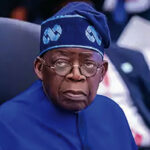
The Chairman of INEC, Prof. Joash Amupitan, inadvertently finds himself caught in a legal pincer movement. While the commission maintains it is merely upholding a Court of Appeal order to freeze leadership changes, the opposition has characterised this as a deliberate attempt to decapitate the burgeoning coalition. By de-recognising the David Mark leadership at this critical juncture, the electoral umpire is being framed not as a neutral arbiter, but as a strategic threat to the 2027 democratic process.
Caught in a precarious balancing act, Amupitan has a tough choice to make. If he ignores the court order obtained by the Nafiu Bala Gombe faction, he faces contempt of court. If he obeys it—as he has done by removing Mark and Rauf Aregbesola—he is accused of sabotaging the opposition. Pro-Mark supporters claim that the rival faction led by Nafi’u Bala Gombe is a tool being used by the ruling APC to destabilise the opposition from within. By validating Gombe’s claims, the opposition argues INEC is aiding a divide and rule strategy.
They argue that by freezing the leadership at a time when high-profile figures like Rabiu Kwankwaso were beginning to consolidate under the ADC banner, INEC is effectively beheading the party. Without a recognised NWC, the ADC cannot legally conduct voter revalidation, nominate candidates, or manage the influx of new coalition forces. By citing the Zamfara and Plateau precedents in recent interviews, Amupitan is essentially telling the ADC and the opposition coalition that any activity they conduct under David Mark’s leadership—be it congresses, conventions, or primaries—is legally invisible to the commission.
Here, Professor Joash Amupitan finds himself in the eye of a political storm. By invoking the ghosts of Zamfara and Plateau to justify freezing the ADC’s activities, the INEC chairman has inadvertently provided the opposition with the evidence they need to frame him as a threat to democracy. For the coalition forces, this isn’t just a legal dispute—it’s a coordinated attempt to use the Electoral Act 2026 and the commission’s regulatory weight to decapitate the opposition before the 2027 race even begins. With the combined discretionary powers of the new Act and the regulatory freeze on the ADC, the opposition sees a coordinated effort to ensure that even a unified coalition cannot survive the legal and administrative gauntlet.
However, the ADC has vowed to challenge INEC’s decision in court and proceed with its congresses and convention despite the commission’s stance. This leadership crisis may weaken the ADC’s chances in the 2027 elections, as it creates an impression of instability and division within the party. The outcome of the court case will likely determine the party’s future direction and ability to participate in the elections. As things currently stand, the future of ADC is full of dark foreboding.