Follow Us on Google
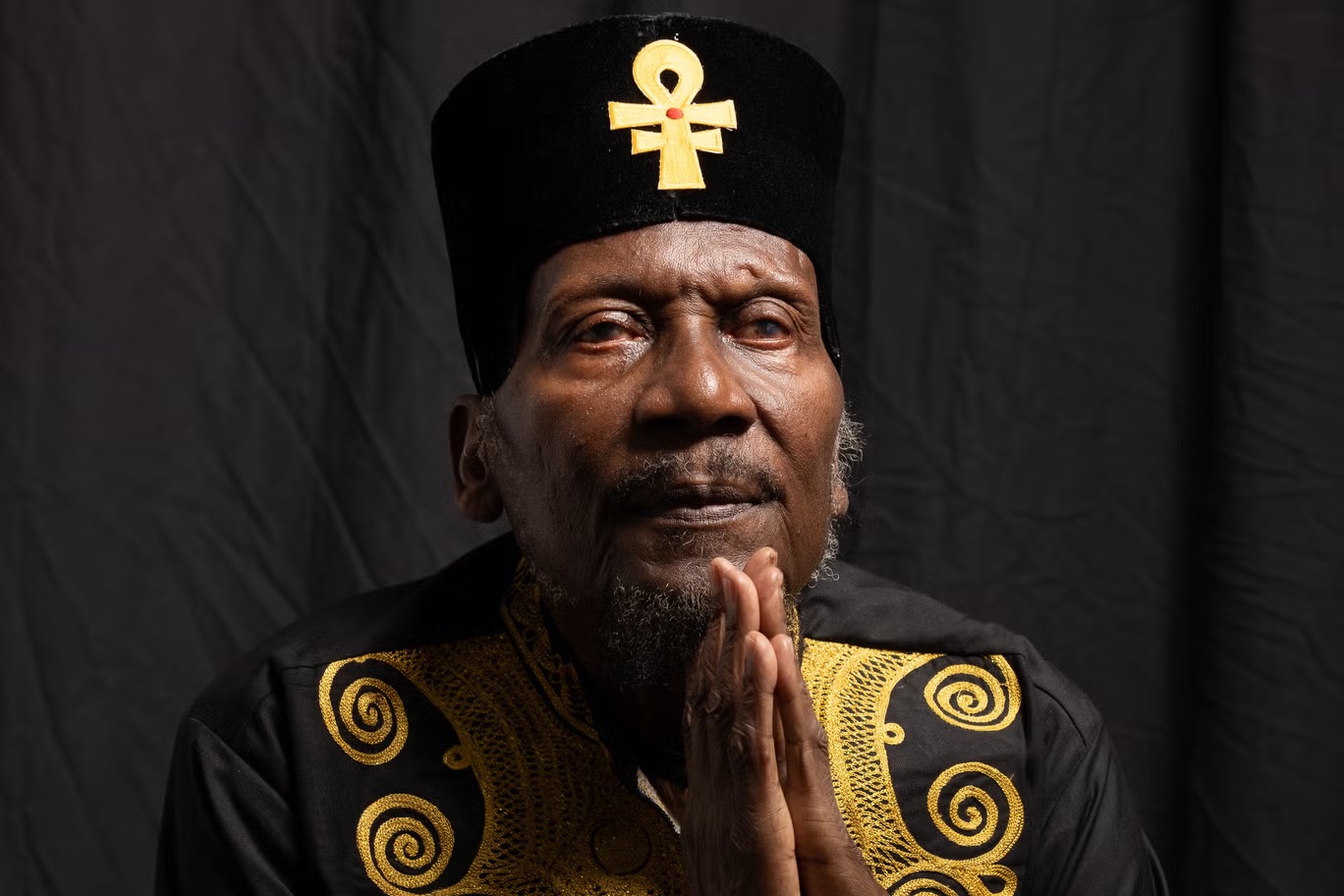
Renowned Jamaican singer, musician and songwriter, Jimmy Cliff, passed on recently at the age of 81. Born in Jamaica as James Chambers in 1944, the reggae super star grew up in the family of nine children in the parish of St. James, Jamaica. He exhibited the early promise of a remarkable singer at 6, when he performed in his local church. He started writing songs after his encounter with Derrick Morgan on the radio. He adopted the surname, Cliff, at 14, after moving to Kingston, an indication of the height he aspired to reach in his chosen career.
Jimmy Cliff’s reign began in the 1960s with hits like “Wonderful World,” “Beautiful People” and “You Can Get It If You Really Want.” Outside Bob Marley and Peter Tosh, he was the most influential reggae star out of Jamaica, who brought the West Indies music to a global audience. Cliff, Marley and Tosh influenced other Jamaican musicians from roots reggae to dancehall reggae. Cliff also did a bit of acting on the screen. He announced himself on the tube with the lead role of a rebel soldier in the 1972 crime drama, The Harder They Come, regarded as the cornerstone of Jamaican cinema, as well as the movie that brought reggae to American audience.
Jimmy Cliff’s death was announced by his wife, Latifa Chambers, via a statement, jointly signed by their children, Lilty and Aken, on Instagram: “It’s with profound sadness that I share that my husband, Jimmy Cliff, has crossed over due to a seizure followed by pneumonia. I am thankful for his family, friends, fellow artists and coworkers who have shared his journey with him. To all his fans around the world, please, know that your support was his strength throughout his whole career.”
The late reggae icon devoted his entire life to the revolutionary and protest music. Till his death, he was a great influence on reggae and reggae musicians across the world. He recorded a number of singles before he sensationally topped the Jamaican charts with “Hurricane Hattie.” In an attempt to reach a wider audience, he moved to London to work with Island Records, but he wasn’t an instant hit, as he struggled to adapt to rock. In the gospel hymn, “Many Rivers to Cross,” Jimmy Cliff echoed his teenage years when he struggled to survive, touring clubs, struggling with work, identity and life with no sight of breakthrough.
In 1969, four years after he relocated to London, his single “Wonderful World, Beautiful People” became a street anthem and a commercial success. He also impressed with “Vietnam,” a protest song on the war-ravaged nation then. Cliff said the essence of his music was struggle, iced with love. He persevered and reached a bigger international audience with the release of “The Harder They Come,” written for the movie of the same name, in which he played Ivan Martin, a young man trying to break into Jamaica’s corrupt music industry.
His 1985 album, Cliff Hanger, earned him a Grammy Award, a feat he repeated with the Rebirth album in 2012. He was admitted to the Rock and Roll Hall of Fame in 2010. Hip-hop star, Wyclef Jean from Haiti, admitted that Cliff inspired a generation of artists, including him. At the twilight of his career, he continued to tour in the 2000s, winning young fans. The Jamaican government recognised his enduring legacy in October 2003 with an Order of Merit.
Cliff and other Jamaican reggae stars will be remembered for influencing many generations of African musicians from the 1960s onward in rhythmic foundations, social commentaries and lyrical styles. Cliff visited Nigeria in 1974 during his world tour. That visit with its drama inspired his song, “The News.” No doubt, Cliff and other reggae musicians influenced the development of reggae music in Nigeria championed by Majek Fashek, The Mandators, Ras Kimono and others. Before the dawn of Afrobeats, the 1980s and 1990s were regarded as the golden era of Nigerian reggae, inspired by legends like Cliff, Marley and Tosh.
Like the Jamaican musicians did in their heydays, the Nigerian reggae musicians addressed issues like social inequality, apartheid, military dictatorship, and political oppression. The reggae music impact is still visible in the Afrobeats vibes of P-Square, Timaya, Wizkid, Burna Boy, Patoranking and others. Cliff will be sorely missed by his numerous fans and lovers of reggae music the world over. Goodbye Jimmy Cliff.