Follow Us on Google
By Bianca Iboma-Emefu
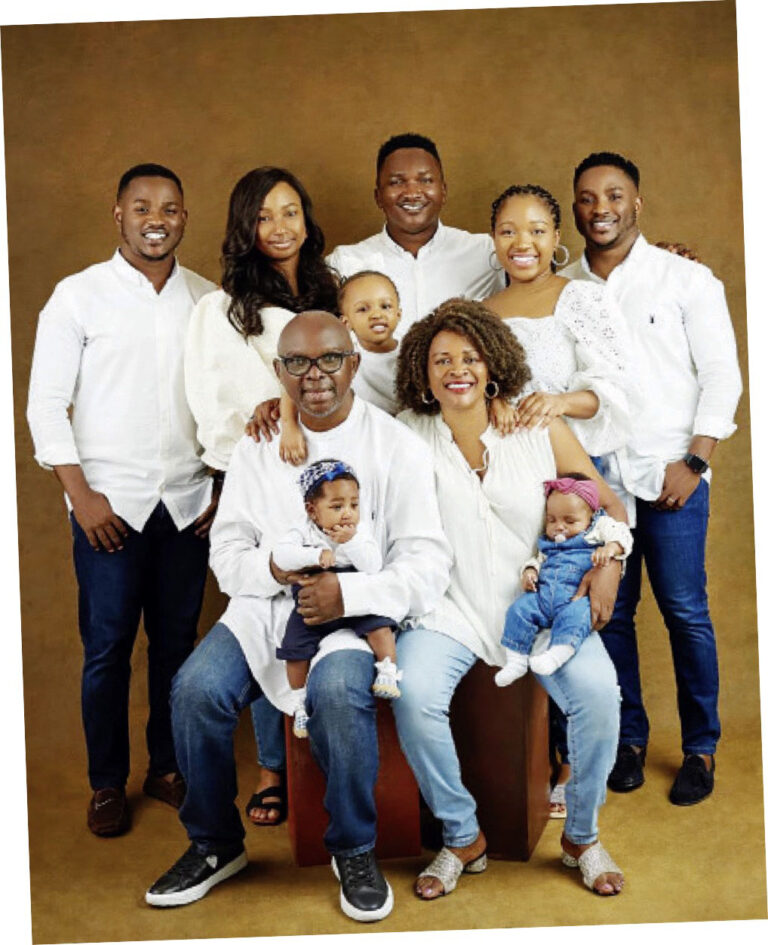
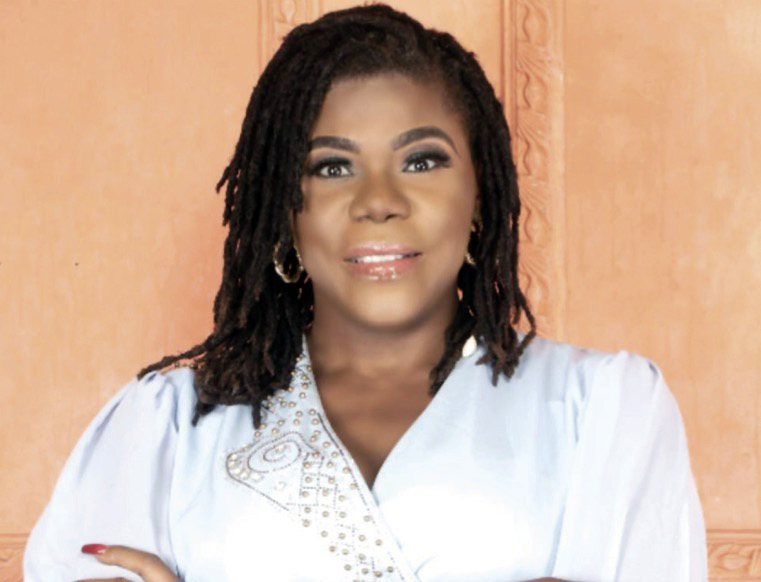
In a world where events are fleeting moments, Mrs. Uchenna Ofomata creates legacies that linger. As the CEO of Uchebiz Events, she doesn’t just plan occasions — she crafts unforgettable experiences that blend elegance, purpose, and excellence.
But beyond the glamour of flawless executions lies a deeper calling. She is the convener of Voices of Hope, an NGO that amplifies silenced dreams, ignites resilience, and turns platforms into movements for women who are disadvantaged and underprivileged in Oshodi/ Isolo LCDA.
In this interview with Daily Sun, Mrs. Ofomata spoke on how society treats women, the often-hidden depression many women battle, and practical ways they can manage and overcome it.
What is your view on the 35% affirmative action bill and the government role in all of this?
The government has a crucial role to play. I am glad that a bill seeking 35% representation for women in political positions has been raised in the House of Representatives. I pray it passes all readings and becomes law — it will give women stronger voices in governance.
However, we cannot wait for government alone. Change must begin in our corners. As individuals and NGOs, we must support our neighbours, members of our immediate society and communities. When we take responsibility as citizens, Nigeria will become better. Government should also support NGOs and community leaders who show genuine empathy and prioritize people’s welfare.
How can women discover their potential and begin to create meaningful change?
Women must first know themselves. Many gifts lie dormant because we listen to limiting voices. Growing up, people described me as quiet and unable to speak publicly. Today, I confidently advocate for other women across platforms. Everyone has the capacity to change.
Develop yourself. Acquire skills. Build networks. Remove limiting mindsets. Every woman can be more than she currently thinks. When one woman rises, she lifts her children, her family, and her entire community.
Many women feel stuck — trapped by circumstances, lack of funds, and broken confidence. What do you say to them?
My advice is simple yet powerful — there is a giant inside every woman. You must awaken it. Stop waiting for perfect conditions. Start with what you have, no matter how small.
Many women remain depressed because they feel trapped in challenging marriages. While marriage can be difficult, it is possible to enjoy it when both partners contribute financially. Financial dependence often breeds resentment. Women must develop the right mindset first. Remember the biblical parable of the talents and the widow with the jar of oil — what seems insignificant can become abundant when used wisely. Do not despise small beginnings. Leave your comfort zone, acquire a skill, and take action. You cannot remain in the same position and expect different results.
To what extent does societal treatment exacerbate vulnerability for underprivileged women compared to more advantaged women?
While global advancements in women’s political representation and corporate leadership are significant, they disproportionately benefit, educated and urban women. Underprivileged women—those in poverty, displaced, or facing intersecting marginalizations—experience compounded disadvantages. Data indicate women comprise a higher share of the extreme poor, with household surveys showing 122 women aged 25-34 in poor households for every 100 men in the same group in many developing countries.
Factors include unequal, unpaid care work, limited asset ownership, and barriers to formal employment, which elite gains rarely directly mitigate.
What are the primary structural mechanisms through which poverty and marginalization intersect to disadvantage women?
Actually, that include disproportionate responsibility for unpaid care and domestic work, excluding millions from paid labor; occupational segregation into low-wage, informal jobs; discriminatory norms and laws limiting land/finance access; heightened risks of violence and exploitation with fewer escape options; and lifecycle effects, such as higher poverty in reproductive years and old age due to cumulative earnings gaps. Inter-sectionality reveals how disability, ethnicity, or displacement intensifies these.
Has progress in gender equality adequately addressed the needs of the most disadvantaged women?
Well, progress has been uneven. education and health gains for girls are notable globally, but economic empowerment lags for poor women. Extreme female poverty has stagnated around 9-10% in recent years, with projections indicating hundreds of millions could remain trapped without accelerated action. Elite-focused metrics (e.g., parliamentary seats) obscure ground-level realities in slums, rural areas, or conflict zones, where women are overrepresented among the vulnerable.
What evidence-based approaches could better support underprivileged women and reduce these disparities?
In my view, effective strategies include gender-responsive social protection, investments in care infrastructure (e.g., childcare, water access), secure property and inheritance rights, skills development for formal sector entry, and targeted anti-violence measures.
Broader economic growth and market access have historically reduced poverty, with women’s participation contributing substantially (e.g., in Latin America). Intersectional policies accounting for multiple disadvantages outperform one-size-fits-all approaches.
Why is addressing the treatment of underprivileged women a societal and economic imperative?
Basically,Beyond ethics, closing these gaps drives growth. Failure to act perpetuates cycles of poverty and limits human potential. Modeling suggests that accelerating equality could yield trillions in global economic gains by mid-century through higher productivity, reduced inequality, and demographic dividends. Societies that expand opportunities for all, especially the most constrained, foster greater stability and flourishing.
Can you give me a sense of what you do beyond planning event for people?
We work with women particularly those who are vulnerable and financially dependent and our focus is primarily to provide them with skill acquisition, mindset transformation, and seed capital to help them start small businesses with the hope of turning them into financially independent women who can support their families and communities.
Presently, we are addressing the plight of women in Oshodi/Isolo LCDA.
What personal experience drove you to start this movement?
This year marks 28 years in my marriage. When I got married, I was a full-time housewife. While I appreciated that role, I soon realized I was not fulfilled depending entirely on my husband. I wanted to add value to my home and achieve financial independence. That personal need pushed me into the events industry.
Over time, I observed many women in similar situations — feeling like liabilities rather than assets in their marriages. Some of them fell into depression.
Domestic harmony often suffers when finances become strained. When women depend completely on their husbands, minor issues can escalate into quarrels. Many men carry heavy burdens silently, and women who cannot contribute financially add to that pressure. I believe that when a woman is empowered, she empowers her children and the entire nation. This realization motivated me to extend help to other women. I started Voices of Hope about two years ago to support women in moving from dependence to self-reliance, enabling them to become better helpmates and raise empowered children.
Can you share a success story that truly moved you?
About two weeks ago, a woman from the Okota zone reached out to me. She had been a full-time housewife with no personal income. With the ₦50,000 she received from us, she and her sister started buying and selling foodstuff. Today, she owns her own shop and runs a WhatsApp group for food sharing. She is no longer dependent on her husband and now brings real value to her home.
This is just one of many testimonies. Several women have completed skill acquisition programs in fashion designing, catering, artistry, and ICT. They are now applying these skills to generate income. Seeing women pulled out of dependency gives me immense joy. It confirms that even small interventions can create lasting change.
You emphasize mindset a great deal. Why is it so central to your work?
Mindset is everything. We do not just give money — we work on transforming how women think. Some people receive N50,000 and squander it, believing it is too small to matter. Others take N20,000 and multiply it into a sustainable venture. The difference lies entirely in perspective.
We teach women to speak up about their challenges. A problem shared is a problem half-solved. In our community, we emphasize that silence keeps women invisible. When you speak, help can come. We also promote community support systems where women lift one another because no woman should rise alone.
Tell us about your work on the ground — what has that experience been like?
The journey has been both challenging and rewarding. We have zoned the women to foster a sense of sisterhood and community support. Our primary area includes diverse communities — Muslims, Christians, and people from various tribes living together in harmony. That oneness has strengthened our work tremendously.
We encourage women to act as their sisters’ keepers. In December last year, we organized a get-together where we empowered one woman from each zone with N50,000. The results have been truly inspiring.
Empowering women is capital intensive. How have you sustained this over two years?
It has not been easy. For the past two years, I have funded the project primarily from my personal finances. We are yet to secure consistent sponsors. However, we continue pushing forward with determination.
The challenge of limited funds means we must be strategic — focusing on mindset training alongside financial support. We understand that giving money without changing mindsets often leads to poor outcomes. Our approach combines practical skills with emotional and psychological support to ensure sustainability.
You have a women’s conference coming up in August. What should people expect?
The conference aims to gather the women we have trained for further empowerment and networking. We are actively seeking sponsors who can provide materials such as sewing machines and other practical tools. There are about 10 women who require proper equipment to establish their businesses successfully. Anyone willing to support can reach out — these women are ready to rise, they simply need to be fully equipped to do so.
What is your final message to women across Nigeria?
There is a giant in each of us — awaken it. Do not remain in dependence or mediocrity. Start small, stay consistent, and watch your efforts multiply. Support one another. Speak up. Work on your mindset. Seek knowledge and skills. With determination, every woman can move from survival to significance. Together, we can build stronger homes, stronger communities, and a far better nation.