Follow Us on Google
By Lawrence Agbo
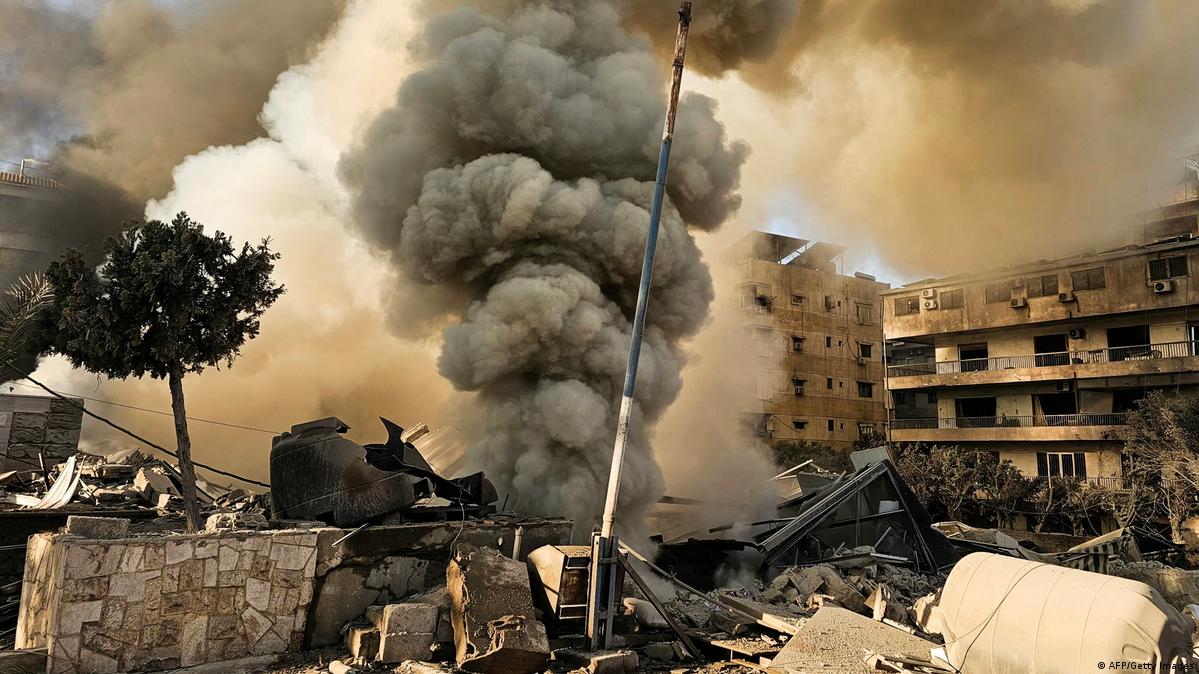
Efforts by the United States to secure a breakthrough agreement with Iran faced renewed uncertainty on Sunday after an Israeli airstrike in Beirut triggered sharp reactions from Tehran and threatened to derail months of diplomatic engagement.
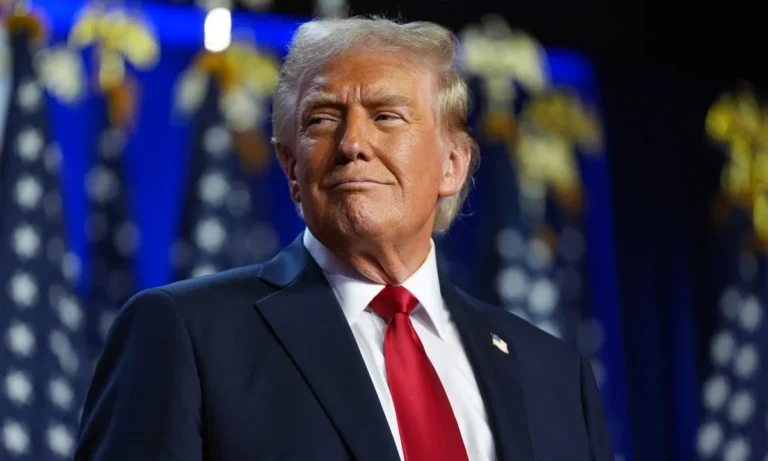
US President Donald Trump, who has repeatedly predicted an imminent deal to end months of regional conflict, said the agreement was only hours away from being signed before Israel’s latest military action complicated efforts to secure a final accord.
Speaking to US media, Trump expressed frustration over the strike, which targeted Beirut’s southern suburbs, a stronghold of the Iran-backed Hezbollah movement.
According to him, the attack disrupted the momentum built during weeks of intensive diplomacy and forced negotiators to postpone plans for concluding the agreement.
“It was supposed to happen now, but the strike delayed the signing,” Trump reportedly saidin a phone call, voicing anger at Israeli Prime Minister Benjamin Netanyahu over the operation.
“Why did Bibi have to do a fucking attack?” he told Axios. “I was so pissed off. I let him know. He has no fucking judgement.”
The US leader has maintained that the proposed agreement could help bring stability not only between Washington and Tehran but also across the wider Middle East, including Lebanon.
However, the Israeli attack immediately triggered sharp reactions from Iranian officials, who questioned whether the United States was capable of ensuring that commitments made during negotiations would be respected.
Iranian Parliament Speaker Mohammad Bagher Ghalibaf argued that the strike cast doubt on Washington’s credibility as a negotiating partner.
The attack “showed that the United States either lacks the will to implement its commitments or lacks the ability to do so”, Iranian parliament speaker Mohammad Bagher Ghalibaf said on X.
“If you do not have the will or the ability to fulfil your commitments, then there is no point in talking about continuing down this path,” he added.
The development threatens to undermine one of the most delicate phases of negotiations, with Tehran consistently insisting that any arrangement aimed at ending hostilities must also address the conflict involving Hezbollah in Lebanon.
Iranian officials have long argued that regional security issues are interconnected and cannot be treated separately.
The latest strike also heightened fears of renewed military escalation.
Other News
Iran’s Supreme National Security Council warned that retaliation could follow, declaring that any violation of what it described as the country’s red lines would not go unanswered.
The council signalled that a response from forces aligned with Iran could come soon, raising concerns that the fragile calm in the region may deteriorate.
Israel, meanwhile, said its military was preparing for possible attacks in response to the Beirut operation.
The exchange of threats revived memories of previous confrontations between the two sides, including missile attacks and retaliatory strikes that tested an already fragile ceasefire arrangement.
United Nations Secretary-General António Guterres criticised the timing of the strike and appealed to all parties to avoid actions that could further inflame tensions.
He called for restraint and urged leaders involved in the negotiations to prioritise diplomacy over military action.
Despite the setback, senior US officials insisted that talks remained on course.
Defence Secretary Pete Hegseth said he still expected an agreement to be reached, stressing that negotiations had advanced significantly and that the remaining issues were manageable.
“We are still moving forward. The question is not whether there will be a deal, but when,” he said.
Iranian President Masoud Pezeshkian also indicated that Tehran remained engaged in the process, noting that the country’s Supreme National Security Council continued to support negotiations despite criticism from hardline factions.
Diplomatic sources revealed that representatives from Qatar, which has played a mediation role throughout the conflict, were in Tehran to help bridge remaining differences and facilitate a final agreement.
Among the unresolved issues are the future of the Strait of Hormuz and the handling of Iran’s stockpile of highly enriched uranium.
Tehran has insisted it will retain control over the strategic waterway and manage its nuclear materials domestically, while Washington has pushed for stricter arrangements to prevent future nuclear weapons development.
Iran maintains that its nuclear programme is intended for peaceful purposes, while the United States argues that safeguards are necessary to ensure regional security.
Although both sides continue to project confidence that an agreement remains within reach, Sunday’s strike highlighted the fragility of the negotiations and the challenges facing diplomats seeking to end one of the region’s most volatile conflicts.