Follow Us on Google
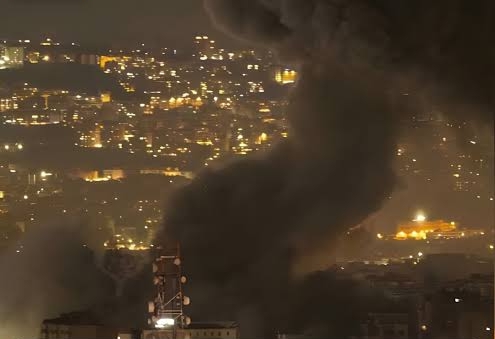
Israel launched fresh airstrikes on Tehran on Monday as Iran fired missiles and drones at energy sites across Gulf countries, maintaining the tempo of the US-Israeli war against Iran that entered its fourth week and triggered the worst global energy crisis in decades.
Explosions were reported in the Iranian capital, according to Iranian state media.
The Israeli Defence Forces (IDF) said it struck “regime targets” and ballistic missile sites in Tehran, part of its ongoing campaign to degrade Iran’s military capabilities.
The strikes followed multiple rounds of Iranian missile launches toward Israel. Iran responded with renewed attacks on Gulf energy infrastructure.
Overnight, Iranian drones struck Kuwait’s Mina Al-Ahmadi oil refinery, the country’s largest, for a second consecutive day, sparking fires that crews worked to contain.
Air defences in the United Arab Emirates and Saudi Arabia intercepted incoming missiles and drones, with explosions reported in Dubai and other areas.
Iran has targeted oil and gas facilities in Kuwait, the UAE, Saudi Arabia, Qatar, Bahrain and Oman since the conflict began on February 28 with joint US-Israeli strikes that killed Iran’s Supreme Leader, Ali Khamenei and other senior officials.
Tehran has also throttled shipping through the Strait of Hormuz, a chokepoint for one-fifth of global oil trade.
International Energy Agency chief Fatih Birol disclosed that at least 40 energy assets in the region have been severely damaged, resulting in the loss of 11 million barrels of oil per day — more than during the 1970s oil crises.
“No country will be immune to the effects of this crisis if it continues to go in this direction. So there is a need for global efforts,” Birol told journalists in Canberra, the Australian capital.
As a result, oil prices rose above $100 a barrel, and Asian stock markets slipped.
Other News
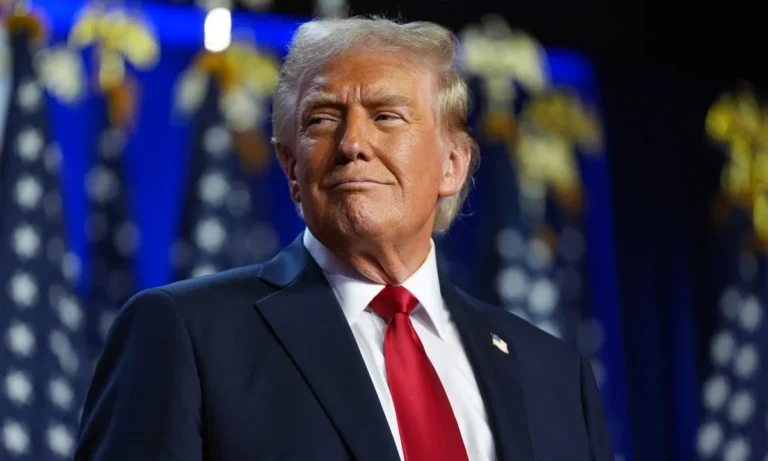
US President Donald Trump threatened to “obliterate” Iranian power plants if Tehran did not reopen the strait within 48 hours.
The deadline, based on the time of the US President’s social media posting, would be 23:44 GMT, early morning Tuesday in Iran.
Iran’s parliament speaker, Mohammad Bagher Ghalibaf, warned that any such move would make vital infrastructure across the region “legitimate targets” for irreversible destruction.
The war has also spread to Lebanon, where Israel expanded operations against Iran-backed Hezbollah.
Israeli forces destroyed bridges over the Litani River, prompting warnings of a ground invasion from Lebanese officials.
More than 1,000 people have died in Lebanon since the escalation, with over one million displaced.
In Iran, at least 3,230 people have been killed, including 1,406 civilians, according to the US-based Human Rights Activists News Agency. Independent verification remains limited.
Meanwhile, Iranian missiles struck southern Israeli towns near the Dimona nuclear research facility over the weekend, injuring dozens.
Both sides have vowed to continue operations.
Israeli Prime Minister Benjamin Netanyahu described a long-term campaign against Iran’s government, while the IDF said it would “deepen the degradation” of Iranian capabilities.
Iran has warned of further retaliation if hostilities on its territory persist.