Follow Us on Google

Iran launched missile attacks on United States military installations in Jordan and Bahrain on Wednesday, escalating tensions in the Middle East and placing fresh strain on a fragile ceasefire that has held uneasily since April.
The strikes followed recent US military operations against Iranian targets after Washington accused Tehran of downing an American Apache helicopter near the Strait of Hormuz. The latest exchange marks one of the most significant confrontations since both sides agreed to halt hostilities earlier this year.
Iran’s Revolutionary Guard Corps said it targeted American positions in Bahrain and fired long-range missiles at US military assets in Jordan. However, authorities in both countries reported successfully intercepting the incoming missiles before they could cause casualties or significant damage.
Jordan’s military said its air defence systems destroyed five missiles, while Bahrain confirmed that several aerial threats were intercepted. Kuwait also reported engaging hostile airborne targets amid heightened security concerns across the Gulf region.
In a statement, Iran’s Foreign Ministry warned neighbouring Gulf states against allowing their territories or facilities to be used by the United States or Israel for military operations against Tehran.
The ministry said countries in the region bear a “legal and moral responsibility” to prevent any support for actions that threaten Iran’s security and sovereignty.
The attacks came shortly after US Central Command (CENTCOM) confirmed strikes on Iranian air defence systems, surveillance facilities and command centres near the Strait of Hormuz. Washington described the operation as a response to recent threats against American military personnel and assets.
Other News
Iranian Foreign Minister Abbas Araghchi vowed that Tehran would respond firmly to any future attacks.
“Our military will leave no attack or threat unanswered,” Araghchi said.
The renewed confrontation has drawn international concern, with Russia and China urging all parties to exercise restraint and avoid actions that could trigger a wider regional conflict.
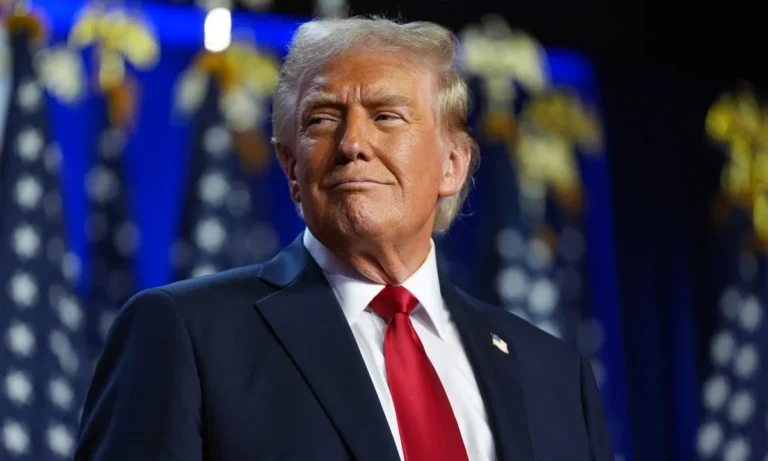
The developments also cast doubt on ongoing diplomatic efforts aimed at securing a lasting settlement. US President Donald Trump had recently suggested that negotiations to end the conflict were nearing completion, but the latest military exchanges have complicated those prospects.
Meanwhile, uncertainty surrounding the security of the Strait of Hormuz, a critical route for global oil shipments, pushed energy markets higher as investors weighed the risk of further disruptions.
Analysts warn that continued military escalation could undermine regional stability, disrupt global energy supplies and weaken efforts to achieve a sustainable peace agreement.