Follow Us on Google
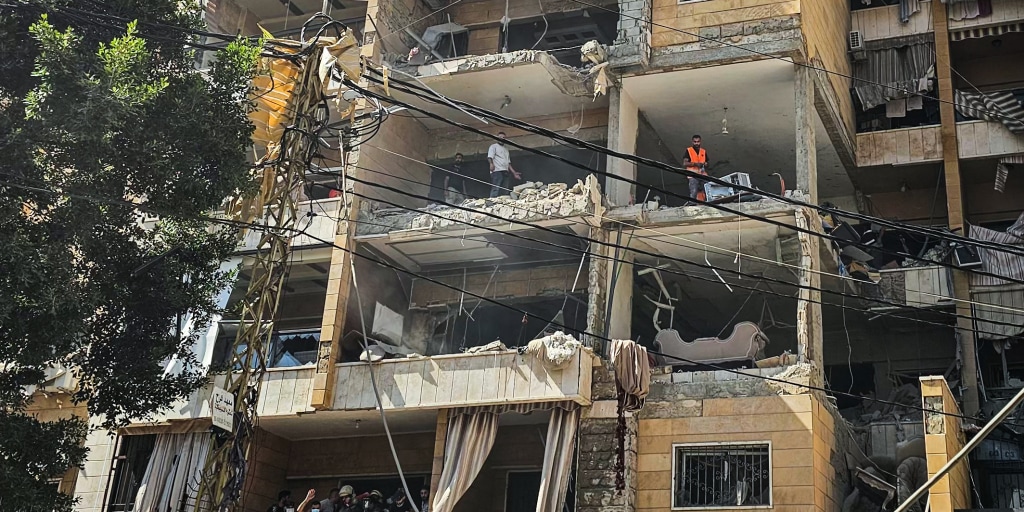
The fragile ceasefire that halted months of direct confrontation between Iran and Israel came under severe strain on Sunday night after both countries exchanged military strikes for the first time since the truce took effect in April.
The escalation began when Iran launched ballistic missiles toward Israel, describing the attack as retaliation for recent Israeli strikes on Hezbollah positions in Lebanon. Iranian authorities said their acceptance of the April ceasefire had been tied to an end to hostilities across all fronts, including Lebanon, and warned that further attacks would trigger a broader response.
Israel said its air defence systems intercepted the incoming missiles, while authorities ordered residents into shelters and announced the closure of schools nationwide as a precaution. Although no immediate casualties were reported from the missile barrage, emergency services treated several people who sustained injuries while seeking shelter.
Hours later, the Israeli military confirmed it had carried out strikes on military targets in Iran. Iranian state media reported explosions in Tehran, Isfahan and Tabriz, while emergency services and security agencies were placed on heightened alert amid fears of a wider confrontation.
Other News
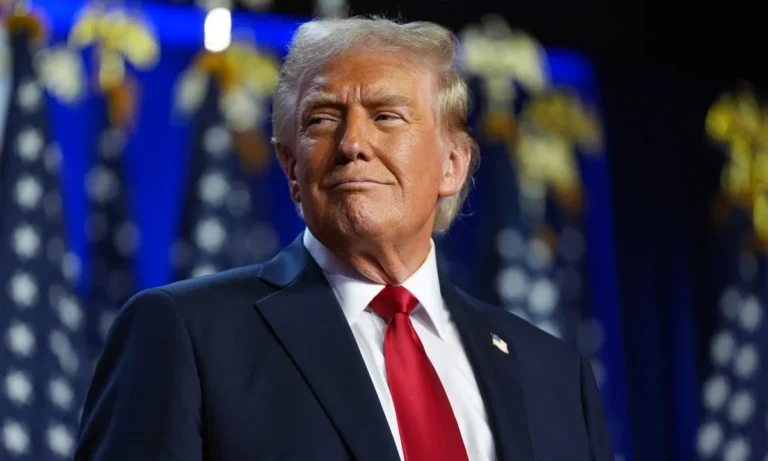
The renewed exchange has raised concerns about the collapse of diplomatic efforts led by the United States and regional mediators. President Donald Trump reportedly urged Israel not to retaliate, insisting that negotiations remained the best path forward. However, Israeli officials signalled they were prepared for additional military action if necessary.
The latest hostilities have also rattled global markets. Brent crude rose nearly three percent, climbing toward $96 per barrel as traders assessed the risk of further disruptions to Middle East energy supplies. The region remains critical to global oil exports, particularly through the Strait of Hormuz.
International concern mounted quickly, with the governments of United Kingdom and Canada urging both sides to de-escalate and preserve ongoing diplomatic negotiations. Officials warned that a return to sustained conflict could jeopardise fragile peace efforts and further destabilise an already volatile region.
The exchange marks the most serious deterioration in relations between Iran and Israel since the April ceasefire and raises fresh uncertainty over whether diplomatic channels can prevent a broader regional conflict.