Follow Us on Google
Iran launched a series of missile and drone attacks across the Middle East on Wednesday, targeting Israel and bases hosting US forces in Kuwait, Jordan, and Bahrain.
The assaults followed statements by US President Donald Trump suggesting progress in diplomatic efforts to end the conflict.
The war began on 28 February with US and Israeli strikes on Iranian positions and has since escalated, unsettling global energy markets. AFP footage showed missile trails over Netanya in Israel, while air raid sirens sounded across central regions.
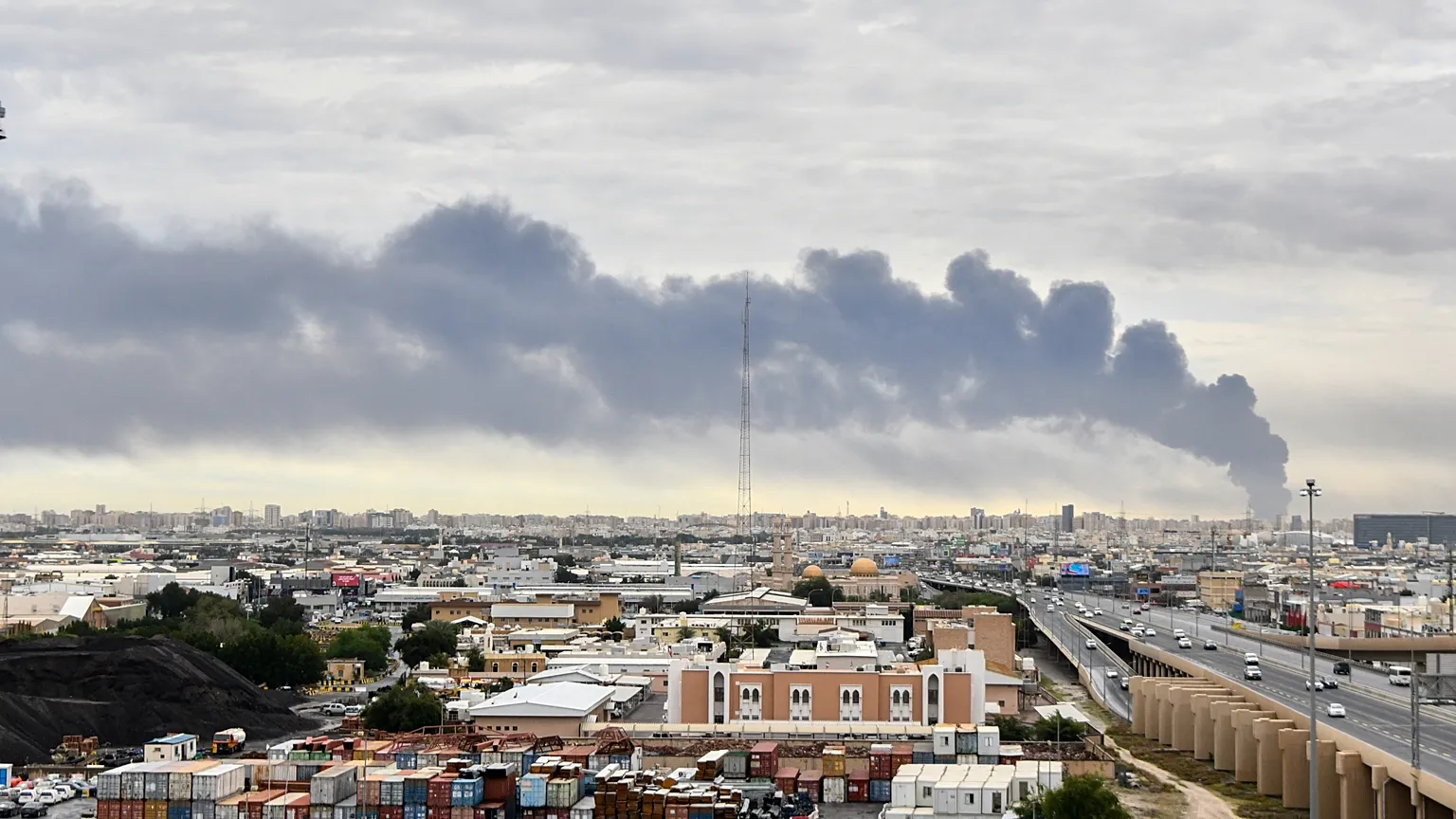
In Kuwait, drones hit a fuel tank at the international airport, causing a fire, and Jordan reported shrapnel falling near Amman.
Air raid warnings were also issued in Bahrain, disrupting flights and tourism in the Gulf.
The conflict has intensified in Lebanon, where Israeli forces are advancing toward the Litani River in a campaign against Iran-backed Hezbollah.
Other News
Residents described shattered streets and damaged buildings, with families fearing for their children. Lebanese authorities report over 1,000 deaths and more than a million displaced.
President Trump indicated that Washington is “in negotiations right now” with Tehran, mentioning a significant concession concerning the Strait of Hormuz.
Despite this, the US reportedly plans to deploy an additional 3,000 troops to the region.
The crisis has major economic implications. The Strait of Hormuz, a key oil route, remains tense, and Iran has restricted passage to vessels from the US and Israel.
Energy prices have fluctuated, while global fertiliser supplies face potential shortages.
Observers warn that the humanitarian and economic toll could worsen in the coming months. Diplomatic efforts continue, offering a cautious note of hope amidst the rising tensions in the region.