Follow Us on Google
Home of ancient tortoises, monkeys, peacocks, others
From Sola Ojo, Abuja
Kaduna, with a population projection of about 10 million people in 2026, is the third largest state after Lagos and Kano. Coincidentally, it is located in North-West Nigeria with Kano, thereby making it one of the fastest-growing sociopolitical cities in the country.
As a result of high demand for accommodations and office spaces due to the influx of people from far and near, the land is shrinking by the day, thereby making its city green areas become a mirage.
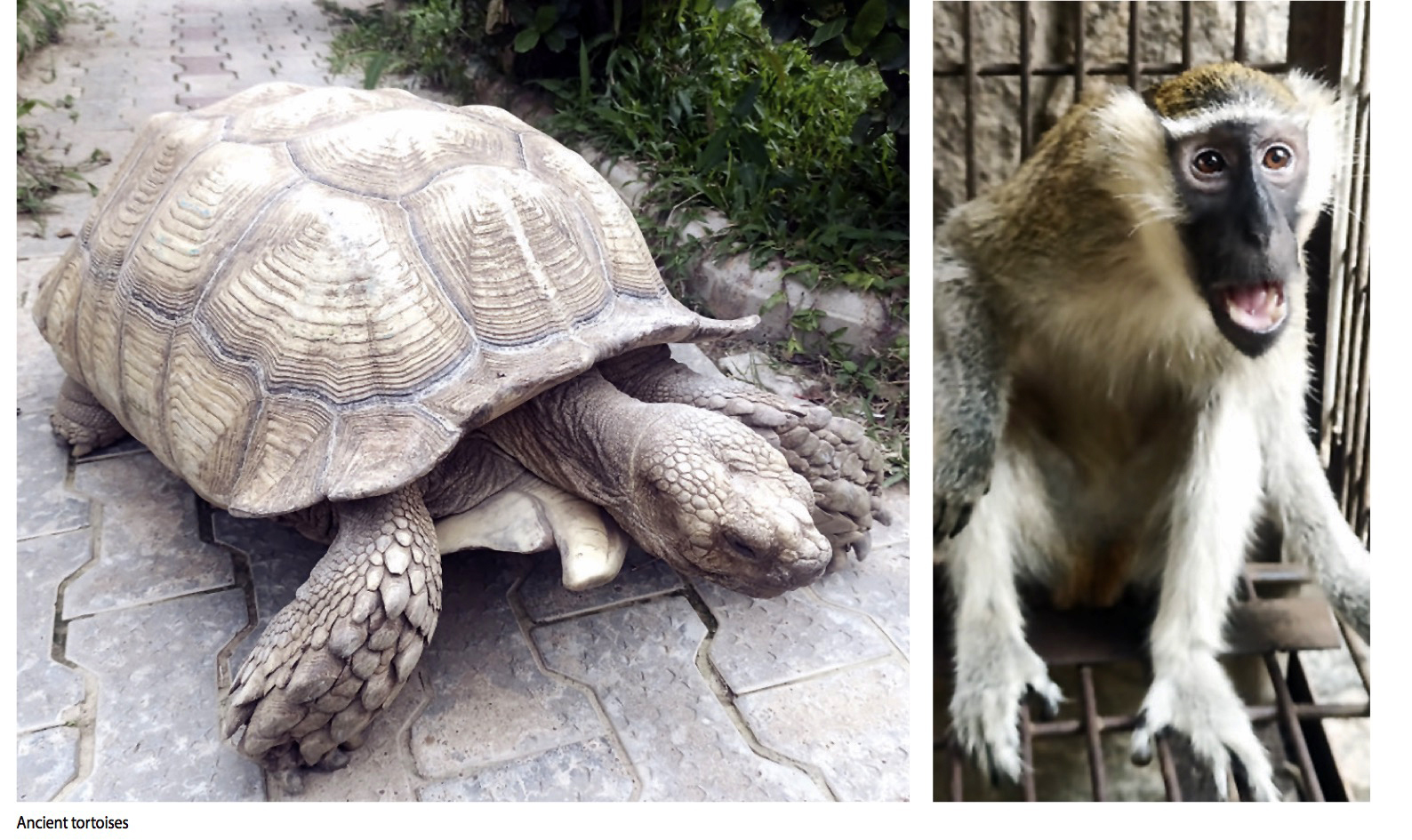
But, away from busy highways, noisy markets and sprawling concrete estates lies an unusual sanctuary where giant tortoises lumber through shaded paths, monkeys leap from their cages, pigeons descend in flocks at feeding time, and children come face-to-face with animals many have only encountered in school textbooks or television cartoons.
This is Paradise Park, Barnawa, Kaduna, one of the few privately owned nature parks in Kaduna that is quietly combining wildlife conservation, environmental education and family recreation in a city where rapid urbanisation continues to shrink green spaces.
For many first-time visitors, the park offers something increasingly rare in urban Nigeria: An opportunity to experience nature without travelling to a national park or game reserve.
A close park is the popular Ganji Gate in Kaduna North, Kaduna, which is now becoming a shadow of itself due to poor management and changes in tourists’ tastes.
Schoolchildren gather around two giant tortoises believed to be over 100 years old, carefully observing the reptiles as guides explain their behaviour.
Nearby, monkeys entertain excited visitors while birds fill the air with constant chirping.
According to the International Union for Conservation of Nature, monkeys and giant tortoises are among the world’s longest-living terrestrial vertebrates, with species such as the Aldabra and Galápagos giant tortoises commonly living for more than a century and some individuals surpassing 150 years.
They are herbivores, feeding mainly on grasses, leaves, flowers, fruits and other vegetation.
Beyond their remarkable lifespan, conservationists regard giant tortoises as “ecosystem engineers” because they disperse seeds through their droppings, helping regenerate §zforests and maintain plant diversity.
Healthy forests and vegetation act as natural carbon sinks, absorbing carbon dioxide from the atmosphere, making giant tortoises indirect but important contributors to climate change mitigation through the ecosystems they help sustain.
For conservation advocates, such encounters are more than recreation; they are opportunities to reconnect children with nature at a time when many young Nigerians know more about wild animals through cartoons, mobile phones and social media than through real-life experiences.
Environmental experts have repeatedly warned that Nigeria’s fast-growing cities are losing natural habitats to residential and commercial developments, leaving fewer places where children can learn about biodiversity outside the classroom.
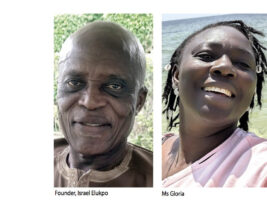
For instance, the Executive Director of Bridge That Gap, Ms Gloria Kassang Bulus, a frontline award-winning Kaduna-based climate change and environmental non-governmental organisation, advocated for more private parks as an effort towards a deliberate sustainable environment.
“Urban parks play an increasingly important role, not only as recreational centres but also as living classrooms where environmental awareness begins. So Paradise Park reflects that philosophy,” she said.
To her, unlike amusement centres built around mechanical rides and entertainment, the biggest attractions of parks are the living creatures they have.
The reptiles, believed to be over a century old, have lived in the park since 2013 and have grown accustomed to human presence, allowing supervised children to climb gently onto their shells for photographs.
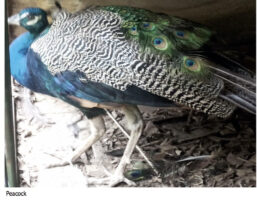
The park is also home to monkeys, pigeons, peacocks and several other birds, with plans underway to expand the collection.
Its founder hopes to introduce baboons and additional wildlife, gradually transforming the facility into a richer natural habitat where children can encounter animals they may otherwise know only from books and documentaries.
Behind the vision is retired industrial sales manager, Mr Israel Elukpo, who chose conservation over commercial development after leaving corporate life.
Having worked in several Nigerian cities before retiring in 2007, Elukpo said he became increasingly concerned about the disappearance of open spaces where children could interact with nature.
“Growing up, we used to have green places where children would come around and play football and all that. Today, that place has been converted.
“That means the dreams of some children to become great footballers like Pele, Rasheed Yekeen, Daniel Amokachi and so many more, have been truncated by their supposed caregivers,” he said.
Instead of converting his property into hotels, clubs, shops or residential buildings for fast, handsome earnings, he established Paradise Park as a family-friendly destination centred on wildlife, environmental learning, peaceful recreation and unity.
“I asked myself, must everything be about money? Children should have a place where they can come, relax and see real animals irrespective of their religion or geographical locations,” he said.
But his philosophy extended beyond conservation. The park prohibits alcohol and smoking, deliberately creating an environment where families from different religious, ethnic and social backgrounds can gather without distractions.
According to him, nature has a unique way of bringing people together.
Over the years, schools, churches, families and community groups have made the park a regular destination for excursions and outdoor learning.
For many pupils, it provided their first close encounter with animals they had previously seen only in illustrations.
“I’m happy and fill real good each time people from Muslim-dominated communities like Rigasa and Tudun Wada travel that far just to come and relax here with their families. That is what we need to do more to compliment government in bringing people together.
One good thing about this park is that it is family-driven, with father, mother and children playing their respective roles to keep nature growing in their own world.
As Kaduna continues to expand, initiatives like Paradises Park highlight the growing importance of preserving urban green spaces.
Beyond beautifying cities, such spaces contribute to environmental education, biodiversity conservation, mental well-being and domestic tourism.
Across the world, cities are investing in parks, botanical gardens and wildlife centres as essential parts of sustainable urban planning.
In Kaduna, Paradise Park, Barnawa, demonstrated how private citizens can also contribute to that vision, which is expected to be championed by the government.
Its ancient tortoises, playful monkeys, peacocks and pigeons and quiet tree-lined surroundings tell an important story that conservation can begin in the heart of a city, one child, one tree and one protected animal at a time.