Follow Us on Google

From Sola Ojo, Abuja
Efforts to address violence against women and girls in parts of Kaduna State are being undermined by rising insecurity, a development that is threatening community interventions and forcing many residents to flee their homes.
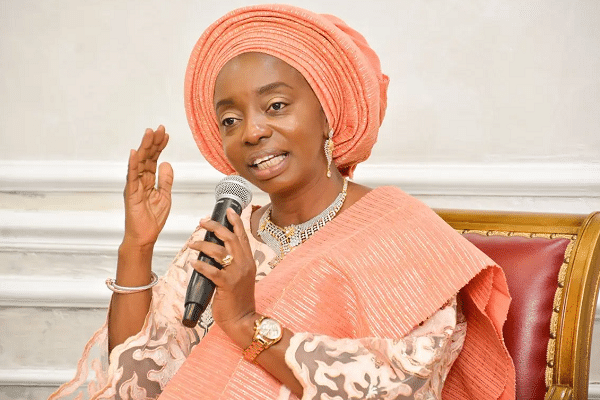
This concern was raised by Juliana Joseph, Project Manager of the Together We Can Project, during a community mobilisation activity, marking this year’s International Women’s Day in Kujama, Chikun Local Government area of the state.
The project, being carried out by the Empowering Women for Excellence Initiative (EWEI) with support from the United Nations Fund to End Violence Against Women, works with women who have experienced violence and are undergoing rehabilitation in communities within Chikun and Kajuru local government areas of the state, particularly in Kujama and Kasuwan Magani.
Joseph explained that although campaigns against gender-based violence have intensified in recent years, the problem remains widespread across communities.
According to her, the absence of comprehensive research made it difficult to determine the exact scale of the problem, but anecdotal evidence from women suggests that many continue to experience various forms of abuse in their homes and communities.
“We are in the age of information and technology and there are intensified campaigns against violence and the reality is that the problem is widespread in the community,” she said.
She added that many women quietly endure abuse, often confiding in trusted persons when approached.
“All you need to do is speak with a woman and she will tell you what she is going through whether in her husband’s house, with in-laws or within the community,” she noted.
Joseph further observed that the prevailing security challenges in the state have worsened the situation for women and girls, limiting access to support services and slowing the progress made by advocacy groups.
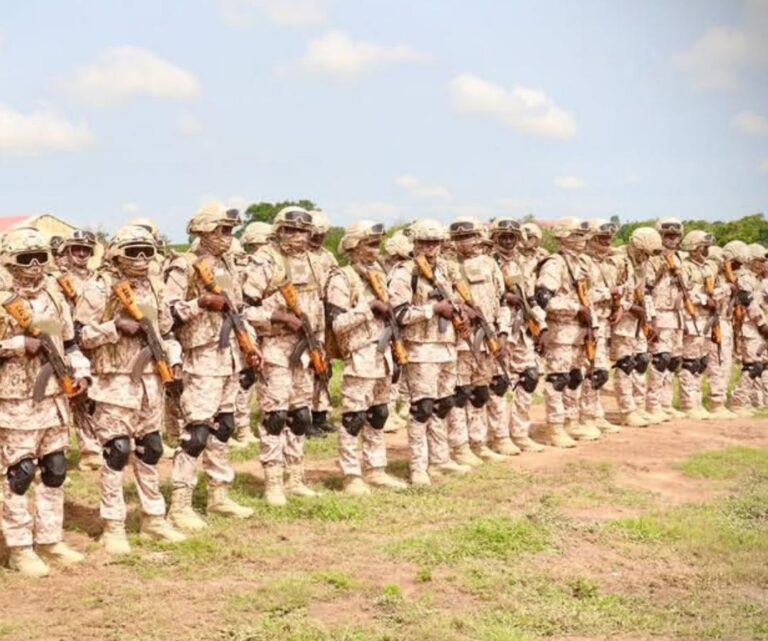
She explained that insecurity, particularly kidnappings in rural communities, has made it difficult for project teams to access deeper communities where many victims reside.
“In some of the communities we visited, residents told us they no longer sleep peacefully because of kidnapping incidents. “When people live under such fear, it affects the gains the society has made,” she said.
The project manager also disclosed that many villages in the affected areas had been deserted as residents flee attacks by armed groups.
“Most of these villages around here are now empty because of the insurgents. People have left their homes,” she said.
Joseph called on government authorities to take decisive action to address insecurity, stressing that restoring safety in rural communities was essential for protecting women and sustaining efforts to combat violence against them.
She added that community-based projects like ‘Together We Can’ remain committed to supporting survivors of violence despite the challenges posed by insecurity.
The activity also highlighted the significance of this year’s International Women’s Day theme, “Give to Gain,” which emphasises the importance of investing in and supporting women and girls as a pathway to building stronger families and communities.
Participants were drawn from Kujama community, security agents, government, civil society and the media who agreed that empowering women through protection, rehabilitation and access to opportunities not only helps survivors of violence rebuild their lives but also contributes to broader social and economic development.