Follow Us on Google
Recent violent incidents across Nigeria, including the brutal killing of a teacher and the rape and murder of an elderly woman, have reignited concerns over worsening insecurity and what many describe as a deepening moral and social crisis.
The incidents have drawn widespread condemnation, with fears that such tragedies are increasingly being treated as routine occurrences rather than urgent national emergencies.
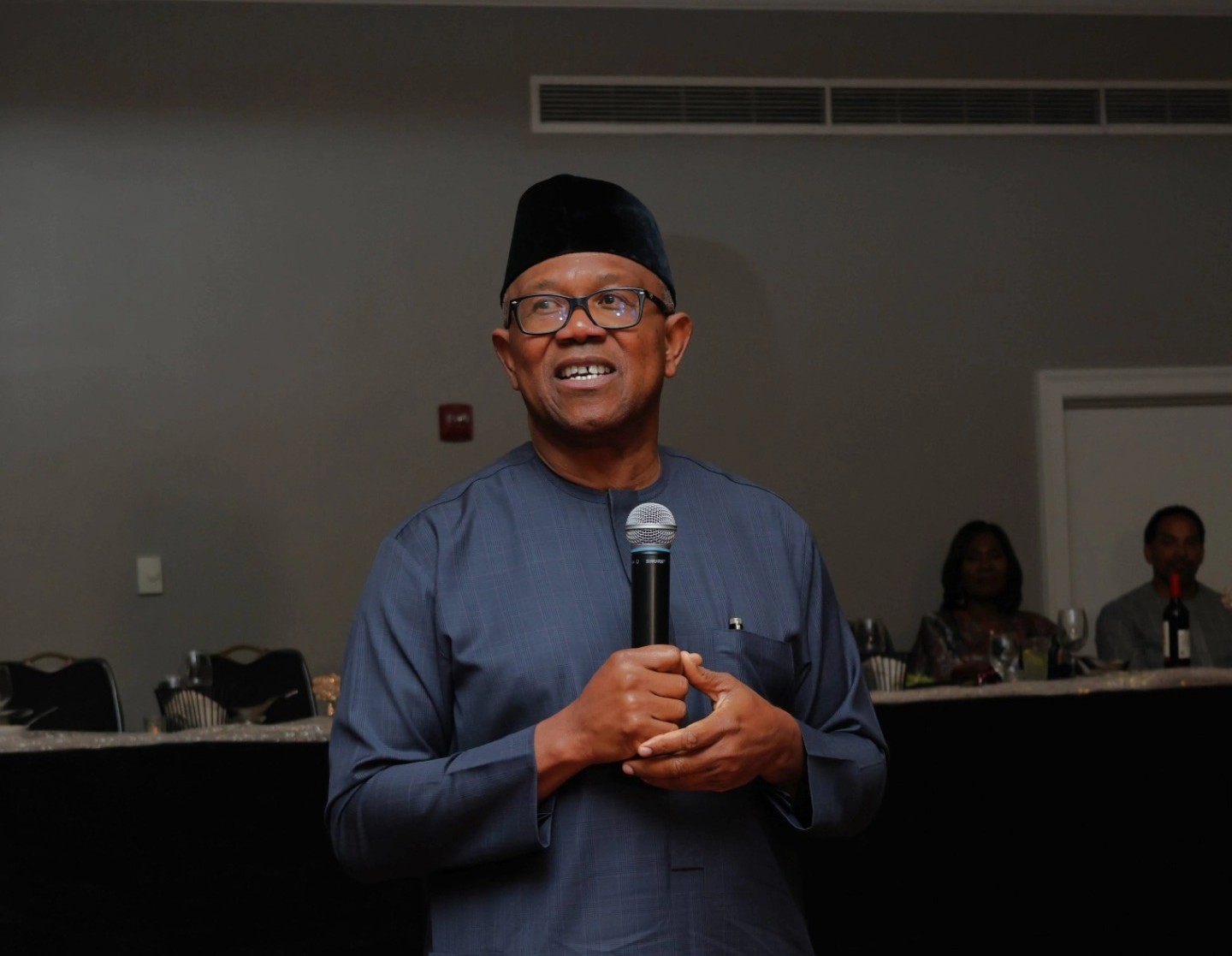
Reacting via his official X handle, former presidential candidate Peter Obi expressed concern over what he described as the country’s growing desensitisation to violence and human suffering.
He said:
“Some events shatter a society so deeply that words are no longer enough to express the shock; the brutal killing of a teacher and the horrific rape and murder of an elderly woman are among such tragedies. These are not isolated incidents but signs of deeper moral and social decay.”
Obi questioned the direction of the country, warning about the increasing normalisation of violent acts against vulnerable groups.
“How did we get here? How did we reach a point where teachers are hunted and killed, and the elderly custodians of memory and wisdom suffer such dehumanising violence?”
Other News
He stressed that the issue goes beyond insecurity, describing it as a collapse of collective humanity.
“This is more than a security crisis; it is a failure of collective humanity. We have become desensitised, consuming tragedy briefly and moving on, allowing indifference to normalise the unacceptable.”
Obi extended condolences to the families of the victims but insisted that grief must be followed by action.
“To the families affected, I share in your grief. But grief alone is not enough.”
He called for urgent accountability and systemic reforms, warning that continued inaction risks further erosion of national conscience.
“We must demand accountability and urgent systemic change. If such atrocities no longer move us to action, then we risk losing our shared humanity.”