Follow Us on Google
From Fred Itua, Abuja
Barely 113 days to the January 16, 2027 presidential and national assembly elections, the Independent National Electoral Commission (INEC), said it has made significant progress in implementing part of its 14-point timetable for the polls.
This is coming, even as experts identified funding, communication and public trust as persistent gaps in the commission’s preparations.
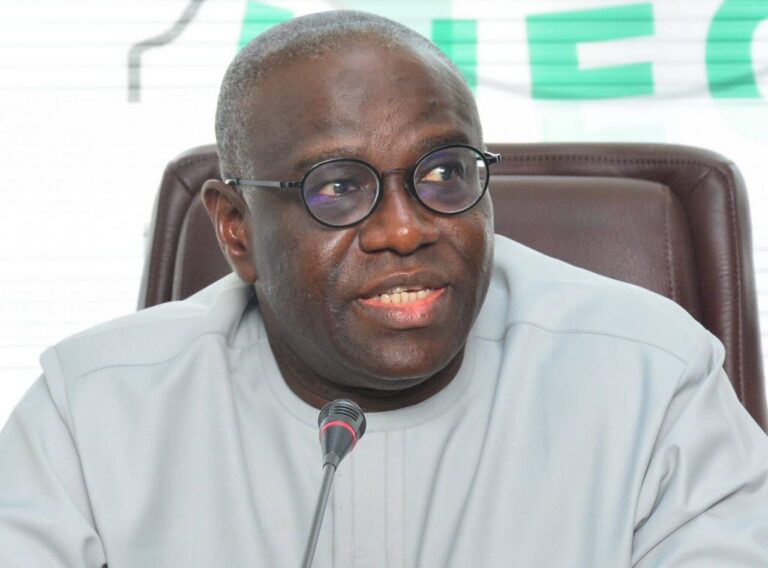
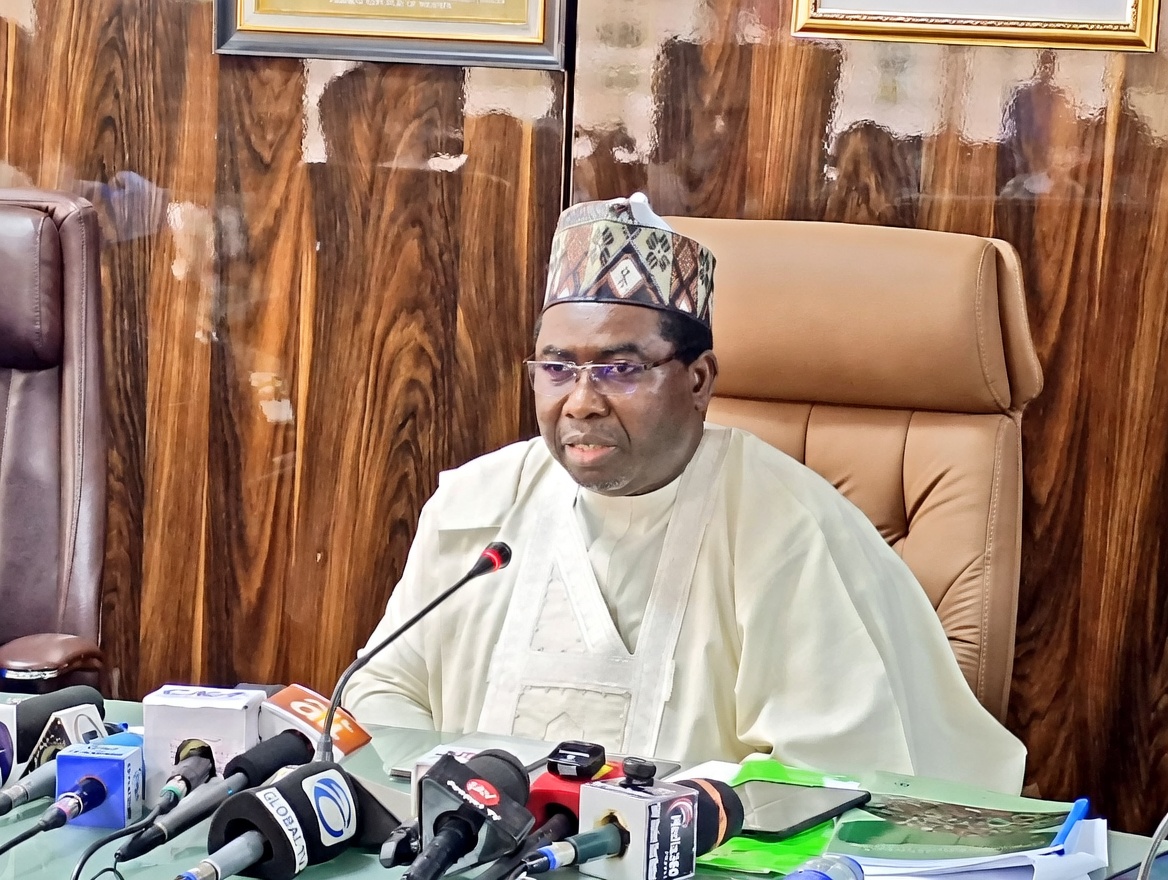
Chairman of INEC, Professor Joash Amupitan spoke on the level of progress while presenting a paper on “INEC preparedness for 2027 general elections” at a Democracy and Governance Forum organised by West Africa Democracy Radio WADR in Abuja, under its “Voices for Democracy and Freedoms in West Africa” initiative, held on Thursday.
Director of Planning and Monitoring at INEC, Mrs Helen Ajayi, who represented the INEC Chairman, said the Commission released the revised timetable and schedule of activities for the 2027 general elections on February 26, 2026, setting out 14 critical activities to be implemented ahead of the polls.
She disclosed that INEC was currently progressing towards the conclusion of the ninth activity on that timetable. “The election timetable has been translated into a coordinated programme of activities across the Commission’s 23 departments and directorates, 36 state offices, the Federal Capital Territory, and 774 local government areas in the country,” she said, noting that while some activities had been completed and others were ongoing, those scheduled for later implementation were yet to commence.
On voter registration, Ajayi said the Continuous Voter Registration CVR exercise had been concluded, along with the display of the preliminary register of voters for claims and objections, while the generation of the PDF register of voters for nationwide display was ongoing, alongside the synchronisation of CVR data.
She added that preparations for the collection of Permanent Voter’s Cards PVCs were underway, with the public to be informed in due course once the cards are ready.
According to her, the procurement and delivery of non-sensitive electoral materials to state offices had commenced, describing the early commencement as designed to provide adequate lead time for distribution and deployment ahead of election day.
On capacity building, she said the Commission had undertaken various training programmes for staff, disclosing that personnel on Grade Level 8 to 16 at the state level had all been trained in preparation for the elections.
With regards to voter education, Ajayi said the Commission had commenced preparations for intensified voter education and public enlightenment covering voting procedures, accreditation, the use of the Bimodal Voter Accreditation System BVAS, election day procedures and PVC collection, with particular emphasis on reaching women, young people, people with disabilities and citizens in hard-to-reach communities. On technology, she said improvements in the BVAS and the deployment of the EC8A result form were aimed at strengthening end-to-end result visibility and minimising opportunities for manual interference, as part of efforts to enhance transparency and confidence in the electoral process.
Other News
She further disclosed that the Commission had commenced nationwide zonal readiness assessments and staff engagements across the six geopolitical zones, having started with the South West zone, hosted in Lagos, from September 7 to 9.
She said the Commission would proceed to the North West zone the following week, with Kaduna State as host state, describing the exercise as an opportunity to assess preparedness at state and local government levels, identify operational gaps and emerging risks, and engage Resident Electoral Commissioners, Administrative Secretaries, Electoral Officers and other frontline personnel on the Commission’s expectations for the 2027 polls.
Delivering the keynote address at the forum, a board member of WADR, Dr Abubakar Muhammad Kudu, said democracy without accountability amounted to “a transaction without receipt,” warning that despite the progress recorded, gaps remained in funding, communication and public trust.
He said INEC must continuously educate the voter, communicate with all stakeholders, and earn public trust through transparency, while raising concerns over Sections 63, 137 and 138 of the Electoral Act, which relate to ballot authenticity and the integrity of election officials.
Kudu insisted that the BVAS and the INEC Result Viewing (IReV) portal were not optional luxuries, stating that although the Supreme Court might regard them as such, for Nigerian youths they remain “the game changer.”
He urged the incoming leadership of the Commission to maintain neutrality, release funds down the implementation ladder, and communicate daily, while also urging the media to remain conflict-sensitive, fact-check information, and be alert to artificial intelligence (AI)-driven disinformation and deepfakes. He told the political class that they “cannot love democracy and hate accountability.”
On the panel that followed, pro-democracy activist, Mrs Ene Obi, expressed hope in the future of the country, urging Nigerians to go to the polls in 2027 and exercise their franchise, while public policy analyst, Mr Jide Ojo, and veteran journalist, Mr Topsy Gimba, urged the media to hold the political class accountable to the people.
Speaking earlier, the Managing Director of WADR, Agnes John-Thomasi, said the Abuja forum was part of a project supported by the National Endowment for Democracy NED titled “Voices for Democracy and Freedoms in West Africa,” aimed at responding to growing pressures on democratic resilience across the region, including shrinking civic space, disinformation and weaknesses in accountability.
She said Nigeria was one of four countries, alongside The Gambia, Benin and Togo, identified as secondary targets for the project’s communication of balanced and credible information, noting that the country was “critical” to the initiative as it prepares for elections early next year.
John-Thomasi called on the media to remain professional, respect the ethics of the profession, and report impartially through the electoral process.