Follow Us on Google
From Idu Jude, Abuja
Stakeholders in Nigeria’s fast-growing aesthetic medicine industry have called for clearer regulation, stronger professional collaboration and sustained investment to support the sector’s long-term development.
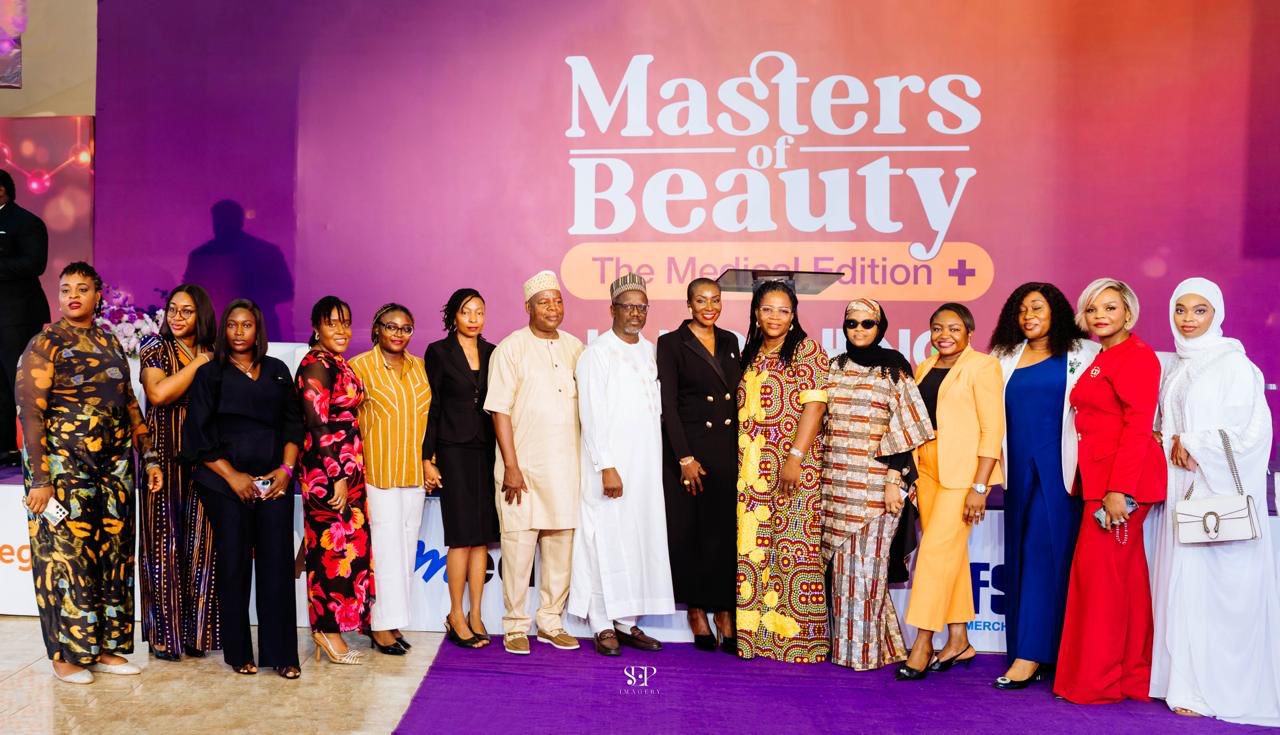
The call was made at the second edition of Masters of Beauty, organised by Unno Health Group, which convened medical and beauty professionals from across West Africa.
Founder and Chief Executive Officer of Unno Health Group, Dr Hilda Titiloye, who convened the event, said the initiative is aimed at building a structured ecosystem for aesthetic medicine anchored on service delivery, manufacturing and education.
She noted that the conference brought together practitioners across specialties, including aesthetic physicians, dermatologists, plastic surgeons, nurses and dentists, to encourage knowledge-sharing and improve standards.
“We are trying to build a community where professionals can learn together and foster a culture of continuous development,” she said.
Titiloye added that the event also marked the launch of the Unno Institute, the group’s training arm focused on postgraduate education in aesthetic medicine, noting that stakeholders are working towards a unified voice to advocate for clearer regulations and defined professional standards.
“There are hierarchies of practice. Everyone has a role, and we need a system where practitioners stay within their competence and work collaboratively to ensure patient safety,” she said.
She further noted that the sector is beginning to contribute to the economy by creating jobs and reducing outbound medical tourism.
“Procedures that many Nigerians previously travelled abroad for are now available locally. The industry also supports employment across different levels, from highly trained medical professionals to vocational roles,” she added.
In his remarks, the Chief Executive Officer of NigerMed Skincare Clinic, Dr Mohammed Bashir Dammalem, who attended as a special guest speaker, warned against the growing commercialisation of aesthetic medicine at the expense of clinical ethics.
He said social media and aggressive marketing trends are increasingly shaping patient expectations and influencing clinical decisions.
“Procedures are being marketed like commodities, with clinics competing more on visibility than outcomes. We must question whether aesthetics is beginning to overshadow medicine,” he said.
Dammalem stressed that aesthetic medicine remains a clinical discipline grounded in science, ethics and patient safety, and should only be practised by qualified professionals.
He also raised concerns about the influx of untrained practitioners into the field, noting that even routine procedures can result in complications when poorly handled.
“The importance of proper training, regulation and continuous education cannot be overstated,” he said.
On the regulatory landscape, Perpetua Ibekwe said Nigeria currently lacks a dedicated framework for aesthetic medicine, leaving oversight fragmented across multiple agencies.
She explained that regulation is presently shared among professional councils, agencies overseeing consumables and health facilities, as well as the Federal Competition and Consumer Protection Commission.
“The implication is that different categories of practitioners operate within the same space without a unified framework to clearly define boundaries,” she said.
Ibekwe noted that while establishing a dedicated regulatory body could strengthen oversight, enforcement and personal accountability remain critical.
“For anyone to offer services they are not qualified for is a criminal offence. Regulation is important, but it is not the only solution,” she said.
Founder of AfriMed International, George Chabtini, described Nigeria’s aesthetic medicine market as rapidly expanding, with the number of clinics rising significantly in recent years.
“Three years ago, there were about 300 to 400 clinics. Today, we are approaching 1,000. The growth is strong, and the coming years will be critical for the sector,” he said.
He, however, emphasised the need for improved regulation and greater consumer awareness to sustain that growth.
Consultant dermatologist, Dr Gboyega Olarinoye, one of the conference speakers, said the industry must also prioritise solutions tailored to African populations rather than relying solely on foreign models.
“We need to define beauty within our own context and develop approaches that reflect our realities. This will improve outcomes and make services more accessible,” he said.
Other speakers at the event included Dr Uzoamaka Iloabachie, Dr Beatrice Ige, Dr Fola David, Dr Aranmolate Rasheed, Dr Osi Awudu, Dr Akhere Aire, Dr Lydia Jiya Adebiyi, Dr Onuh Eunice, Dr Onyi Orji, Dr Chiamaka Okoye and Dr Chito Nwigene, who contributed to discussions on clinical practice, training and industry standards.
The session was moderated by Dr Linda Echenim, while Dr Adanma Okoro-Ekedebe served as event coordinator. The event was hosted by media personality David Williams, popularly known as “The Bigtalker”.
Stakeholders agreed that while Nigeria’s aesthetic medicine industry holds significant potential, its future will depend on stronger regulation, adherence to medical standards and continued investment in training and education.