Follow Us on Google
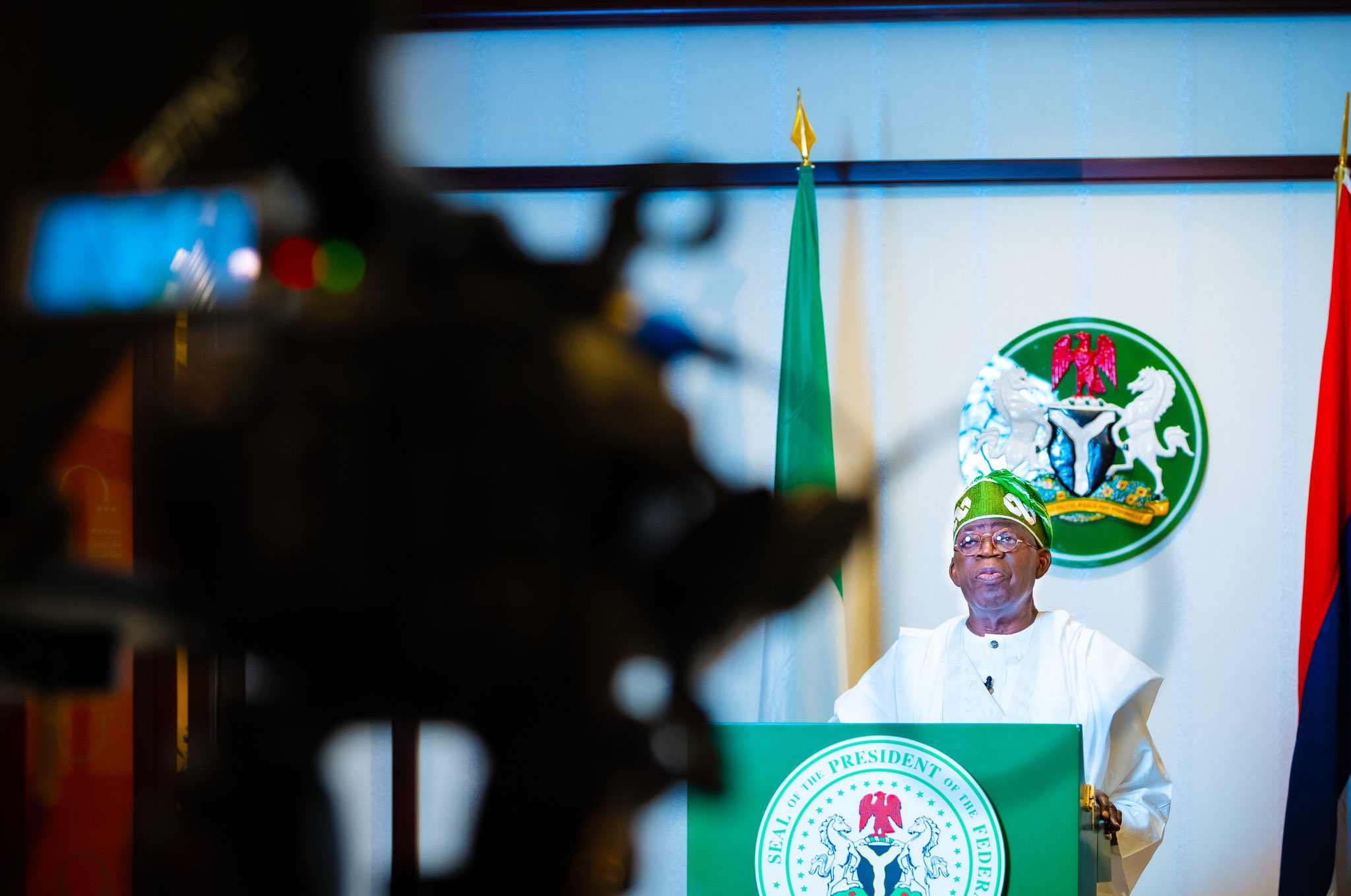
President Bola Ahmed Tinubu has unveiled measures aimed at reducing the cost of food and transportation, saying the government will focus on lowering the cost of producing and moving goods across the country.
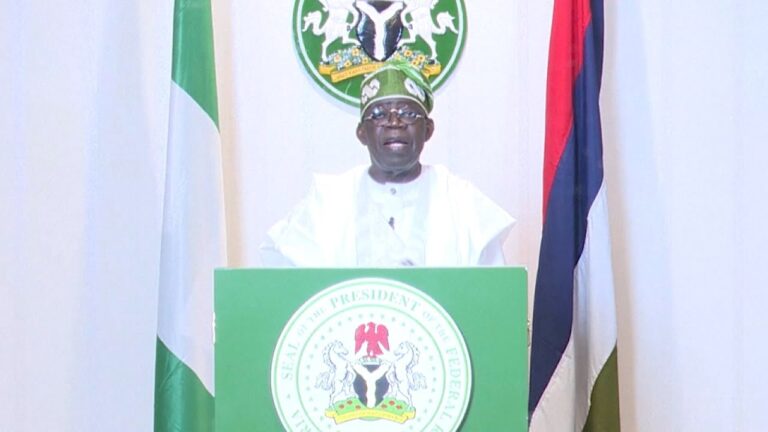
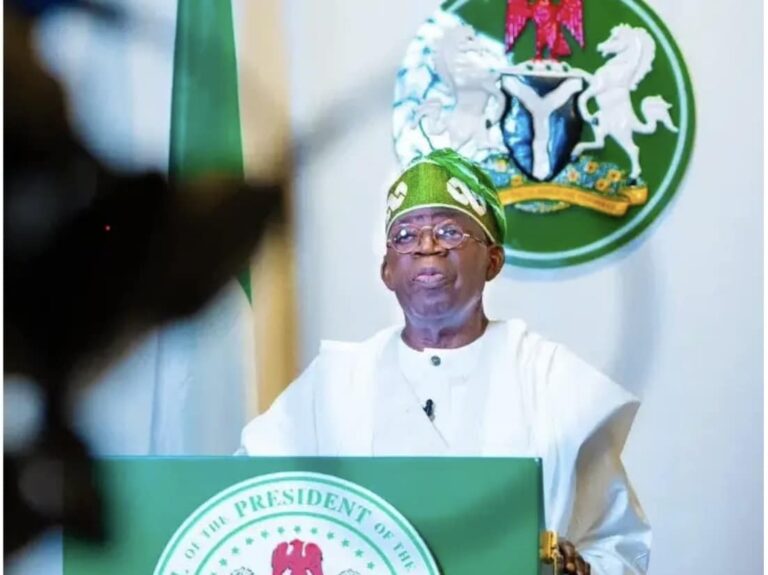
Tinubu disclosed this in his Independence Day address to Nigerians, where he said the next phase of his administration’s economic agenda would centre on delivering shared prosperity and easing the pressure on households.
“Our priority is to bring down the cost of living. We will achieve this by lowering the cost of producing and moving the things Nigerians consume,” the President said.
He said the government would expand mechanised irrigation and dry-season farming, improve access to seeds and fertiliser, increase mechanisation and invest in storage and transportation to boost food production and reduce losses.
“We have the land and people to feed ourselves,” Tinubu said, adding that the government was building and completing roads, railways and ports to connect farms and factories to markets.
According to him, reducing the cost of production and distribution would eventually translate into lower prices for consumers, particularly as farmers, manufacturers and transport operators become more efficient.
“Our logic is simple. When a farmer produces more cheaply, when fewer crops are lost between the farm and the market, when a manufacturer spends less on electricity, when a truck reaches its destination faster, and when the business environment fosters fair competition, all those savings will ultimately find their way into the price of goods in the market,” he said.
Tinubu said the government would also use Nigeria’s gas resources to power industries, support businesses seeking to revive factories and invest in infrastructure that would make production and distribution more efficient.
He said the administration was equally focused on creating productive jobs, stressing that Nigeria’s large young population must become an engine of production rather than a source of despair.
The President acknowledged that millions of Nigerians still struggle with the cost of food, transportation, school fees and medical bills, but said the government would strengthen support for vulnerable households while pursuing measures to create sustainable economic opportunities.
Tinubu said the measures formed part of a broader shift from economic reforms to prosperity, with the ultimate goal of ensuring that lower production and transportation costs translate into more affordable goods and better living conditions for Nigerians.