Follow Us on Google
From Molly Kilete, Abuja
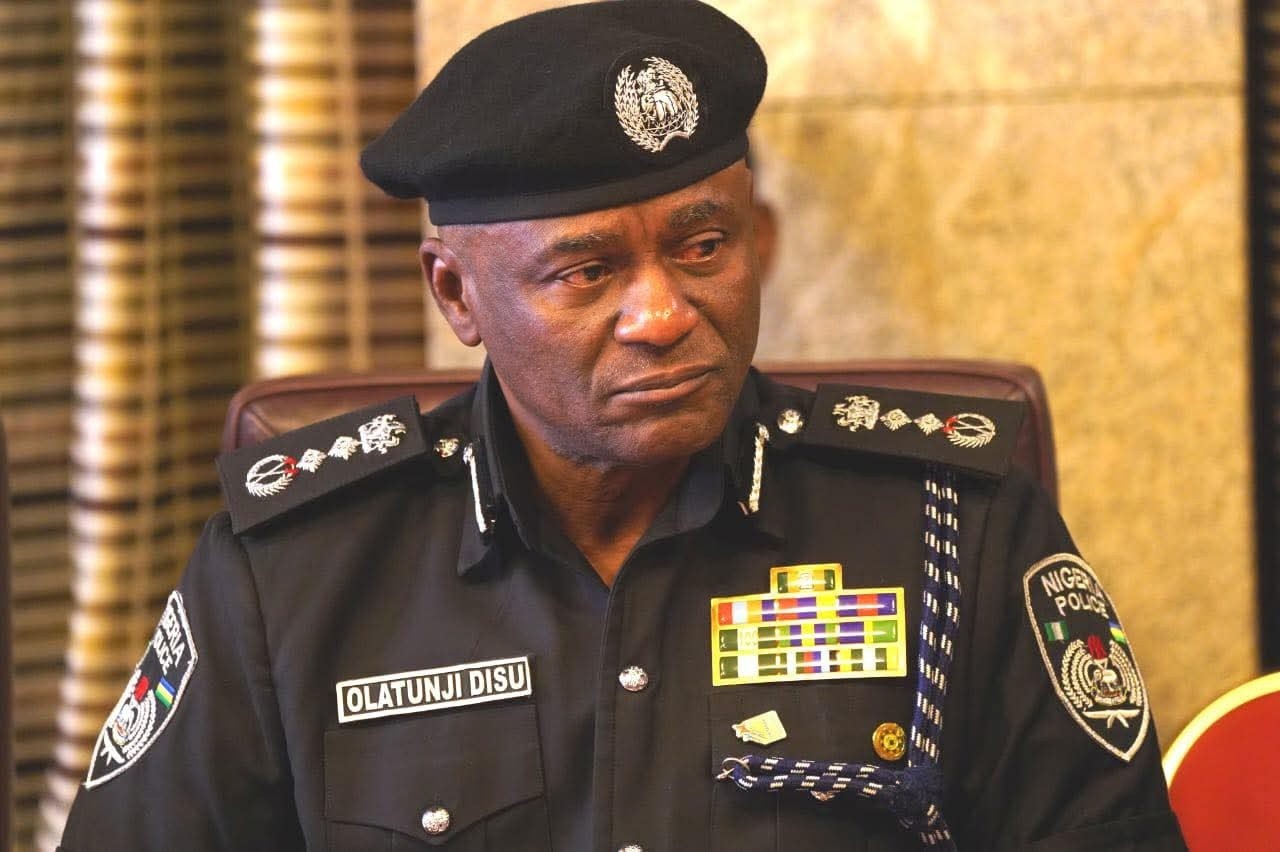
The Inspector-General of Police (IGP), Olatunji Disu, has inaugurated a special committee to drive the implementation of state police and craft a new vision for policing in Nigeria.
The eight-member committee, made up of senior officers, was unveiled in Abuja. It has Professor Olu Ogunsakin, Director-General of the National Institute for Police Studies, Jabi, Abuja, as chairman; CP Bode Ojajuni as secretary; and DCP Okebechi Agora, DCP Suleyman Gulma, ACP Ikechukwu Okafor, CSP Tolulope Ipinmisho and CP Emmanuel Ojukwu (rtd), Provost, Police Public Relations School, as members.
The IGP, while speaking at the event, described the task before the committee as significant and timely, stressing that it responds to the growing demand for strengthened internal security and community-responsive policing.
The IGP noted that Nigeria continues to face evolving security challenges that require innovative thinking, strategic collaboration and meaningful reforms to enhance operational capacity.
He explained that the committee has a critical responsibility to shape a framework through which state policing can operate.
Other News
He said, “It is my greatest privilege to formally inaugurate this committee on State Policing. The task before this committee is both significant and timely, as it speaks directly to the demand to strengthen Nigeria’s internal security and ensure that policing remains responsive to the realities of our communities.
“Your work will help shape the framework through which state policing may operate in Nigeria in a manner that strengthens, rather than fragments, our national security system.”
The IGP charged the committee members to be guided by professionalism, objectivity and a clear understanding of the complexities of policing in a diverse nation.
He outlined the committee’s key responsibilities, including reviewing existing policing models within and outside Nigeria, assessing community security needs and risks across the country, and proposing an operational framework for the establishment and coordination of state police structures.
Other assignments include addressing recruitment processes, training standards and resource allocation, and developing robust accountability and oversight mechanisms to ensure professionalism and public trust.
The IGP highlighted the potential benefits of decentralised policing if carefully designed and effectively implemented.