Follow Us on Google

Godwin Tsa, Abuja
The African Court on Human and Peoples’ Rights will arrive Nigeria today for a one week official visit in furtherance of its awareness campaign and to also persuade the country to make the declaration recognizing the competence of the Court to receive cases from Non-Governmental Organizations (NGOs) and individuals.
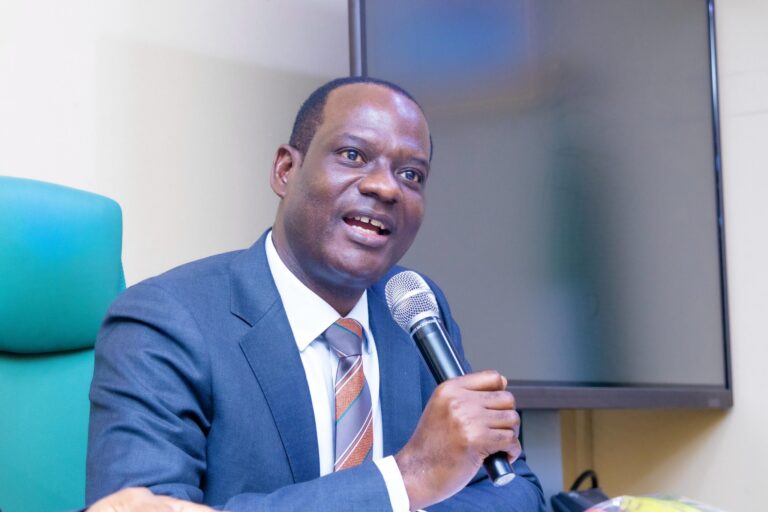
A Nigerian representative of the court, Lady Justice Stella Anukam disclosed this in Abuja at a sensitization workshop for media organized by the court in collaboration with the Federal Ministry of Justice.
Justice Anukam explained that the programme was to create awareness about the activities workings of the court.
While in the country, the delegation of the court led by its President, Justice Sylvan Ore will meet with President Muhammadu Buhari and some key officials of foreign affairs and justice.
The officials of the court will also visit the Economic Community of West African States (ECOWAS) court of justice.
The court was established by virtue of of Article 1 of the Protocol to the African Charter on Human and Peoples’ Rights on the Establishment of an African Court on Human and Peoples’ Rights, (the Protocol) which was adopted by Member States of the then Organization of African Unity (OAU) in Ouagadougou, Burkina Faso, in June 1998.
Basically, the continental court was established by African countries to ensure the protection of human and peoples’ rights in Africa and to complements and reinforces the functions of the African Commission on Human and Peoples’ Rights.
Meanwhile, a statement by the Registrar of the court, Dr. Robert Eno explained that the “visit will help to enhance judicial co-operation and share experiences between the two countries.
The visit by the delegation, which includes three Judges and senior Registry staff, the statement added, “is part of the court’s on-going efforts to strengthened ties with Regional courts on the continent.”
The court lamented that though Nigeria ratified the protocol establishing the court since 2004, the country is yet to make a declaration recognizing the competence of the Court to receive cases from Non-Govermental Organizations (NGOs) and individuals.
It disclosed that ‘As of now, only nine (9) of the thirty (30) States Parties to the Protocol had made the declaration recognizing the competence of the Court to receive cases from NGOs and individuals.”
The nine States are; Benin, Burkina Faso, Côte d’Ivoire, Gambia, Ghana, Mali, Malawi , Tanzania and Republic of Tunisia.
The 30 States which have ratified the Protocol are: Algeria, Benin, Burkina Faso, Burundi, Cameroon, Chad, Côte d’Ivoire, Comoros, Congo, Gabon, The Gambia, Ghana, Kenya, Libya, Lesotho, Mali, Malawi, Mozambique, Mauritania, Mauritius, Nigeria, Niger, Rwanda, Sahrawi Arab Democratic Republic, South Africa, Senegal, Tanzania, Togo, Tunisia and Uganda.
The Court has jurisdiction over all cases and disputes submitted to it concerning the interpretation and application of the African Charter on Human and Peoples’ Rights, (the Charter), the Protocol and any other relevant human rights instrument ratified by the States concerned.
The court officially started iys operations in Addis Ababa, Ethiopia in November 2006. In August 2007, it moved to its seat in Arusha, the United Republic of Tanzania. It has two types of jurisdiction: contentious and advisory.