Follow Us on Google
The Federal Government Thursday said the withdrawal of some West African countries from the Economic Community of West African States (ECOWAS) in 2025 weakened regional integration mechanisms, especially in the area of promoting free movement of goods and services.
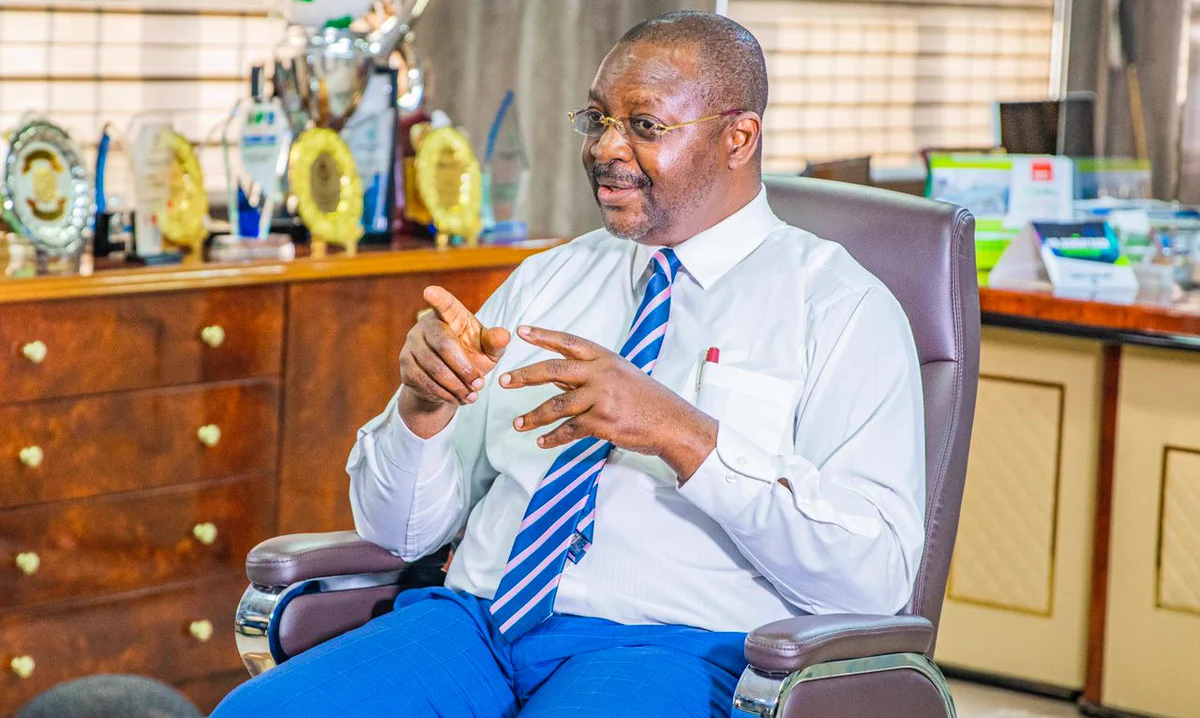
The Special Adviser to the President on Media and Public Communications, Sunday Dare, who made this known, also said the withdrawal led to the emergence of the Alliance of Sahel States (AES), which he described as another regional bloc that challenged existing instruments and protocols for regional cooperation.
Dare said this at the opening of a one-day
He further stated that the development created a major regional crisis and undermined existing mechanisms for economic integration and regional cooperation.
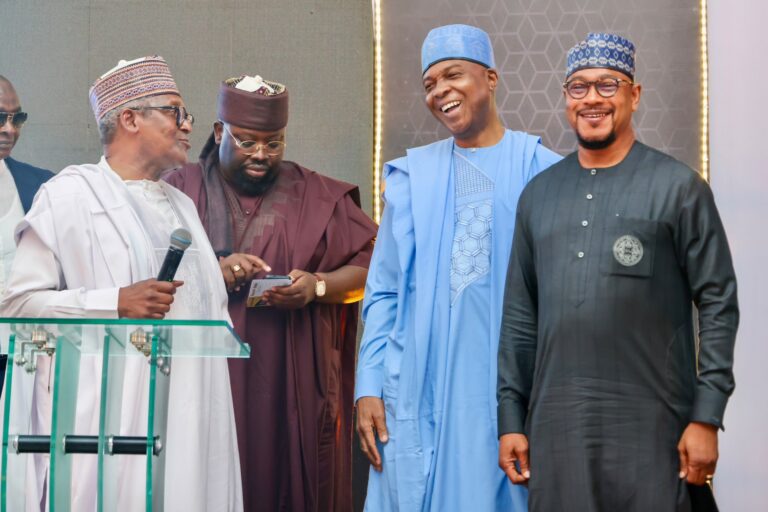
Dare spoke at the opening of a one-day management and regional cooperation and 2nd Policy Colloquium, organised by the Ministry of Defence in collaboration with Saban Media Services.
He said effective border management had implications not only for economic activities but also for regional security and critical frontlines for protecting regional stability.
He said, “The rupture that came in 2025 when the countries pulled out of ECOWAS created a major regional crisis. That pullout from ECOWAS simply blunted the ECOWAS protocol that promoted integration, free movement of goods and services.”
Other News
“It eventually led to the creation of AES, another counter-regional body to ECOWAS. But it also challenged the other instruments and protocols that we have for regional cooperation.”
The presidential aide, while noting that effective border management could facilitate economic integration, while poor management could contribute to insecurity and instability, said the country’s borders must therefore be managed in a manner that balances the need to promote legitimate economic activities with the imperative of protecting national and regional security.
He dismissed claims by the presidential candidate of the African Democratic Congress (ADC), Atiku Abubakar, that Nigeria’s borders were closed, urging politicians not to turn border security into an issue for electoral campaigns.
He said, “The Interior Minister has stated the facts. Nigeria’s borders are open. And let me say for a fact, when it comes to the stability of our borders, when it comes to security, it should not be an arena of politicking or an arena to seek votes or to score cheap political points.”
According to him, open borders do not mean uncontrolled borders, noting that immigration, customs and other security agencies remained responsible for regulating movements across the country’s borders.
He said, “Our borders are critical. There are no open borders without controls. So you must understand there is a distinction.”