Follow Us on Google
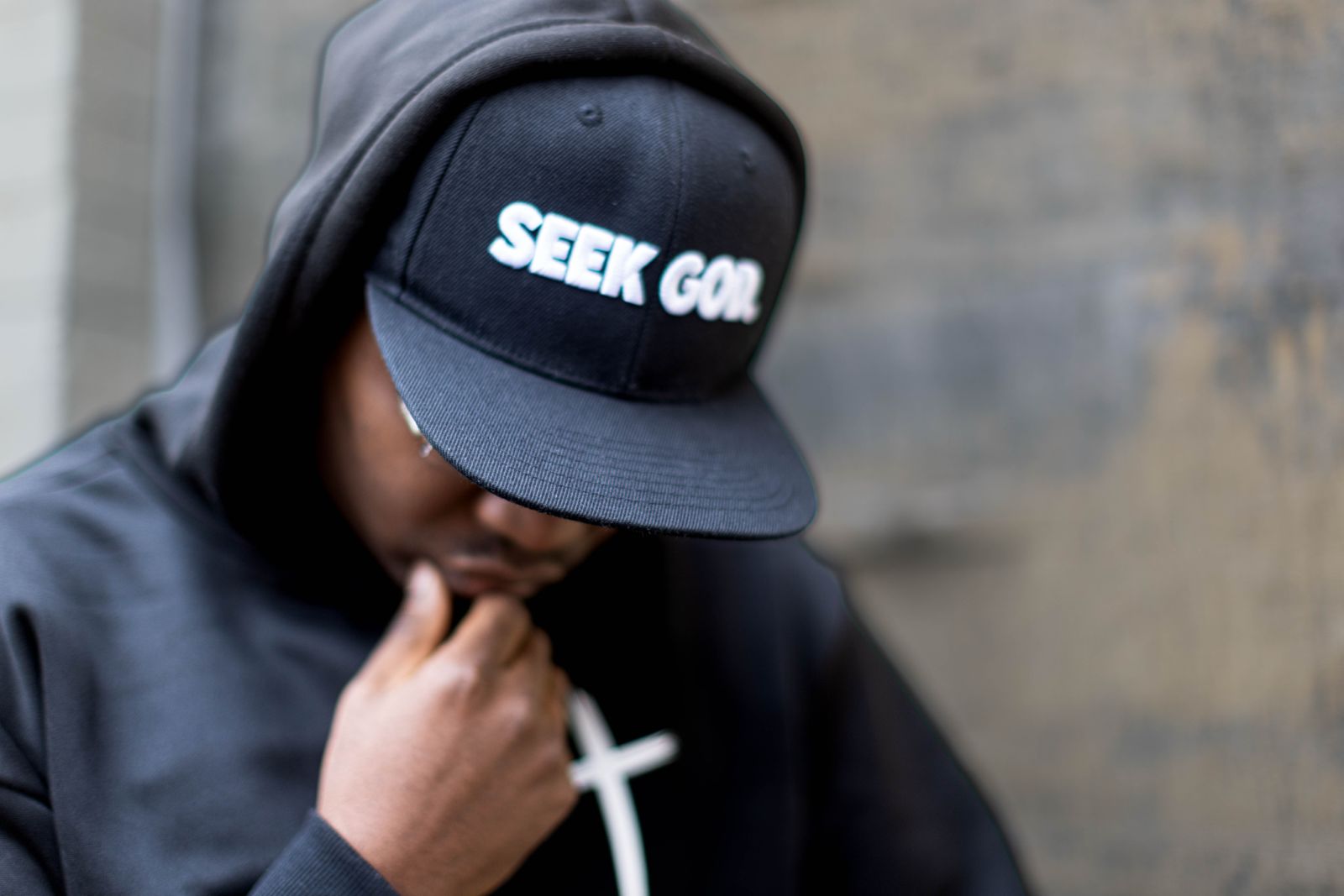
For Nigerian gospel singer Tobi Tokz, the release of “Hallelujah” on November 9 was more than a musical milestone; it was the sound of a personal story finally taking shape.
The Afro-gospel track, which features Nigerian-based vocalist Blessing Swithin, has quietly become a companion to many Nigerians reflecting on how far they have come in 2025.
Unlike most gospel songs built purely for worship, “Hallelujah” is structured like a testimony, beginning with the admission that “life’s been no better” and transitioning into gratitude for improved circumstances: financial breakthroughs, parenthood, and renewed faith. For listeners navigating their own journey, these lines strike a familiar chord.
In a video Tobi Tokz released on social media, he said the song mirrors his lived experiences. “I wanted something honest,” he explained. “Many of us don’t come from easy beginnings. When God finally answers your prayers, you can’t keep quiet about it.” The singer described the past few years as “transformative,” noting that the song represents a chapter of thanksgiving rather than triumph alone.
This connection between personal reflection and communal experience appears to be fueling the track’s early success. In the last month, the song has steadily grown across streaming platforms, benefiting from the December mood, a period Nigerians often associate with gratitude, survival, and the desire to start the new year with renewed hope.
For Blessing Swithin, who recorded her vocals from Lagos, the project was equally meaningful.
Her contribution adds a texture that many fans describe as “warm and sincere,” complementing the highlife-inspired rhythm.
Listeners say the song feels timely. Across social media, users have shared short posts about how the chorus “My God don answer my prayer” reflects their own stories this season. For some, it has become a soundtrack for family gatherings, year-end church programs, and personal meditation moments.
Some listeners say Tobi Tokz’s approach represents a growing trend in Nigeria’s gospel scene: emphasising relatable, everyday storytelling instead of abstract praise because people want to hear their lives in the music. That’s why songs like this will resonate.
As December unfolds, “Hallelujah” seems to be gaining momentum not as a conventional hit but as a reminder of resilience; an anthem that sounds like the quiet gratitude many Nigerians carry at the end of a long year.