Follow Us on Google
By Bimbola Oyesola, Geneva, Swizerland, [email protected]
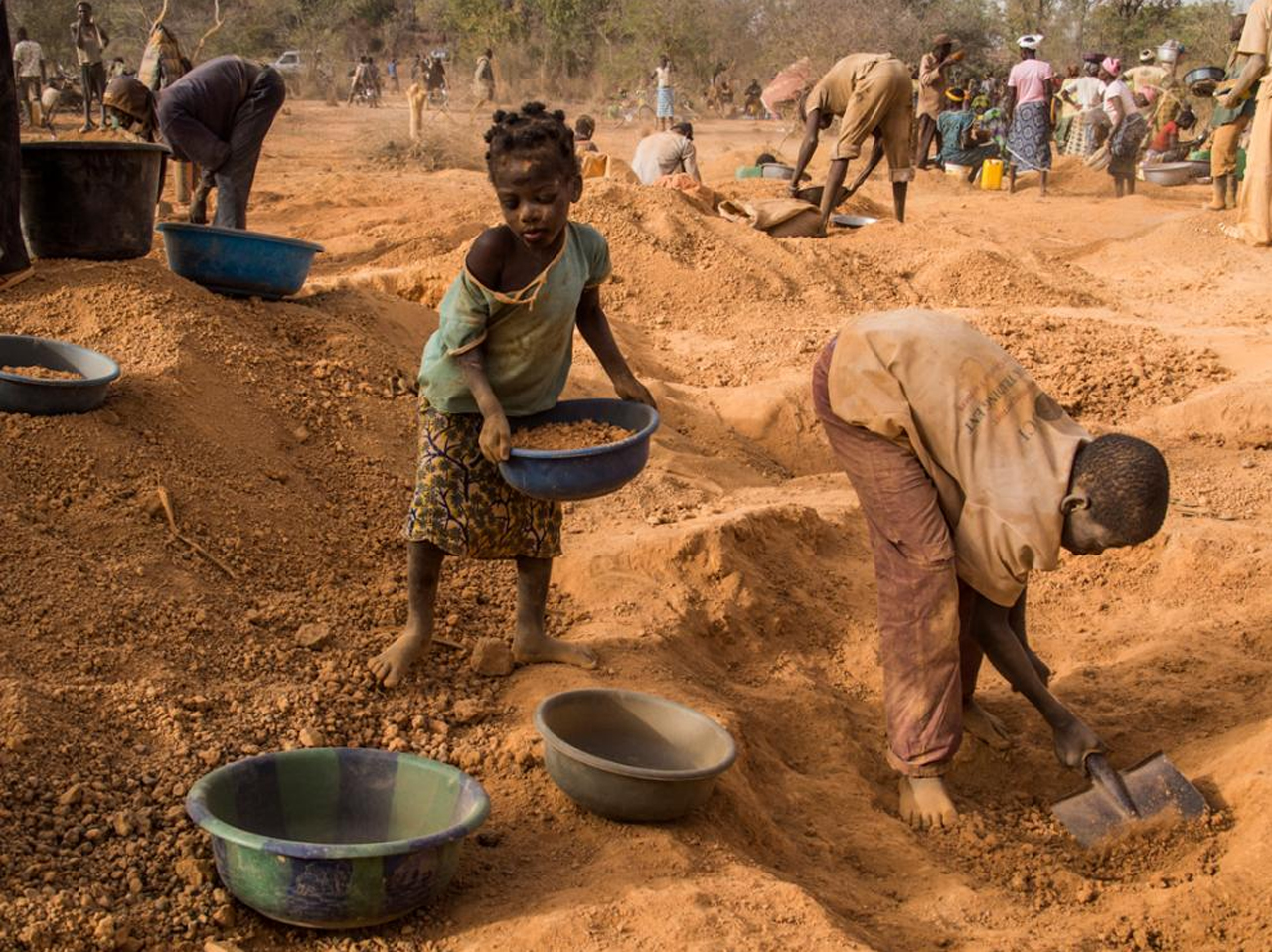
Olayide Emmanuel is 10 years old but as young as he is his parents have already given him out as an apprentice to a vulcanizer in the neighbourhood. So, every morning, while his agemates go to school, he watches them with nostalgia, but there’s nothing he could do as the parents could not afford sending him to school.
The case of Aminat Jimoh, a 12-year-old girl, is slightly different; though she goes to school, she has to hawk goods immediately she returns from school and at weekends. This is because the money she makes from selling support the family’s income. These are just few of many such cases of child labour in Nigeria.
June 12, every year, is celebrated as the the World Day Against Child Labour. Celebrating the day this year, the International Labour Organization (ILO) and the organised labour movement in Nigeria made a case for social protection for the vulnerable children who presently are not well protected.
The ILO Director-General, Guy Ryder, at the just concluded 110th Session of the International Labour Conference (ILC) in Geneva, Switzerland, called for increased investment in social protection systems and schemes to establish solid social protection floors to protect children from child labour.
Highlighting the year 2022 theme, “Universal Social Protection to End Child Labour”, Ryder said that the fight against child labour was truly at the crossroads, in spite of significant effort made to reduce it.
He noted that the choices made by governments now will make or break the lives of millions of children.
According to him, “Social protection is one of the most powerful measures to prevent child labour and providing families with income security in difficult times.
“The COVID-19 pandemic has put millions at risk due to rising poverty, inequality and school closures.
“But without decisive countermeasures taken by governments, the number of children in child labour could rise by almost nine million to 169 million this year.
“Social protection is one of the most powerful measures to prevent child labour providing families with income security in difficult times.”
The ILO boss said that ensuring universal access to social protection was an integral part of the “Durban Call to Action”, adopted during the conference.
He said the call was essential to help construct a path towards a world free of child labour and the attainment of universal social protection as reflected in SDG Target 1.3.
Ryder expressed that universal social protection is particularly powerful when coverage stretches across the life cycle, from child maternity and family benefits to unemployment support, old age pensions and healthcare.
“Structure like this can help families cope with economic or health shocks without having to put their children into child labour.
“What policymakers need to do is to create social protection systems that reach all children, and in particular, those more vulnerable to child labour,” he said.
He emphasised that these systems needed to be put in place alongside to ensure decent work for adults and quality education for all children.
“Yes, this will require investment, but countries will reap the benefits of a fully educated and skilled workforce.
“The choices that governments make now will make or break the lives of millions of children today and in the future,’’ Ryder said.
In the same vein, Organised Labour in Nigeria has tasked the Federal Government to support the global initiative to end child labour in the country.
The Nigeria Labour Congress (NLC) President, Ayuba Wabba, in an interview expressed that it was important for the Nigerian government to align with the global call for the elimination of child labour in the country.
Wabba noted that it will be a challenge to Nigeria and other developing countries if they do not align with the global agenda to achieve this aim.
He said, “Why? Because in most cases the bread winners have no means of sustaining their families, and therefore, children are used to support the family income, particularly in Africa.
“The shortage of social security cover also puts a lot of people in jeopardy, particularly the workers; and pensioners are not being paid as and when due.”
The NLC president opined that the country could not isolate itself from the global efforts to curb the increasing rate of child labour that had become a threat to all.
According to him, “If we want to address the issue of insecurity and social vices, we must also cater for all our citizens, whether they are employed or jobless, young or old.
“We must be able to align ourselves with the global thinking and agenda, particularly to end child labour, and I think it is a priority.
“We must try to do our best as a country, we cannot use our predicament, our challenges as an excuse not to actually implement this very laudable agenda.
“Children need to be in school, they should not be on the streets; but here in Nigeria, many children are out of schools, they are on the streets.”
He advised the government to address the fundamental issues of development as a way of tackling some of these challenges that had continued to impede growth and development.
Wabba said it had become a top agenda of the UN and ILO, that member countries must ensure conventions and recommendations were implemented.
He stated, “It is an obligation for every member country to implement some of those very laudable programmes, recommendations and treaties that we have actually signed.
“So, I am sure Nigeria will find a way of making this very profound recommendation and convention respected.”
In her contribution, National Deputy President, Trade Union Congress (TUC), Oyinkan Olasanoye, equally charged government to improve on the welfare and social security programmes for all citizens, as it would help to reduce child labour in the country.
Olasanoye said parents that do not have social security plans to fall back on, will definitely not be able to take proper care of any child.
She lamented that such will definitely lead to the child becoming “income generator’’ for the family.
She said, “Also, when we talk about free education in Nigeria, we must talk about the educational rights for the child, how many of these have been implemented.
“When we talk about free health system for the children, are these being implemented?”
Olasanoye who is also the President of the Association of Senior Staff of Banks Insurance and Financial Institutions (ASSBIFI) advised government to do more in the implementation of policies that concerned children, as well as provide social security for all citizens.