Follow Us on Google
The federal government has intensified efforts to address Nigeria’s learning crisis with the commencement of a nationwide assessment designed to evaluate pupils’ literacy, numeracy and cognitive abilities as part of broader reforms to improve the quality of education across the country.
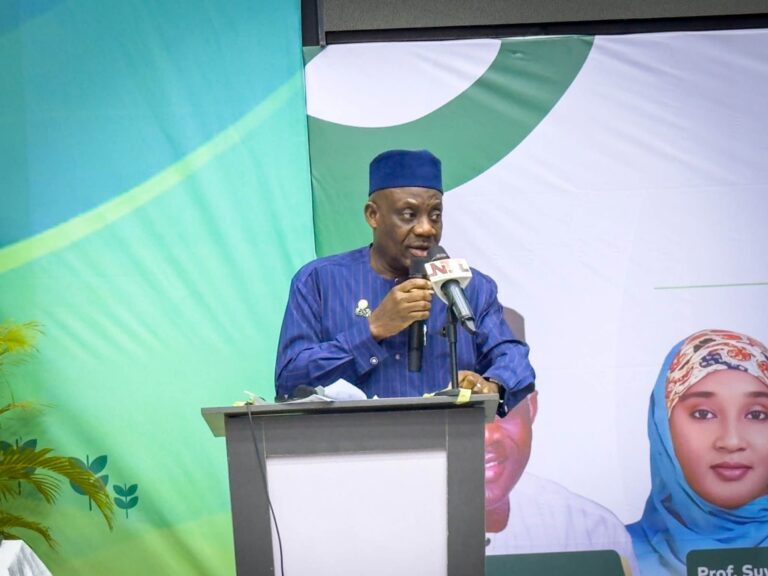
Minister of Education, Dr Tunji Alausa, said the exercise would generate reliable data to guide evidence-based reforms and help reverse the country’s growing learning poverty.
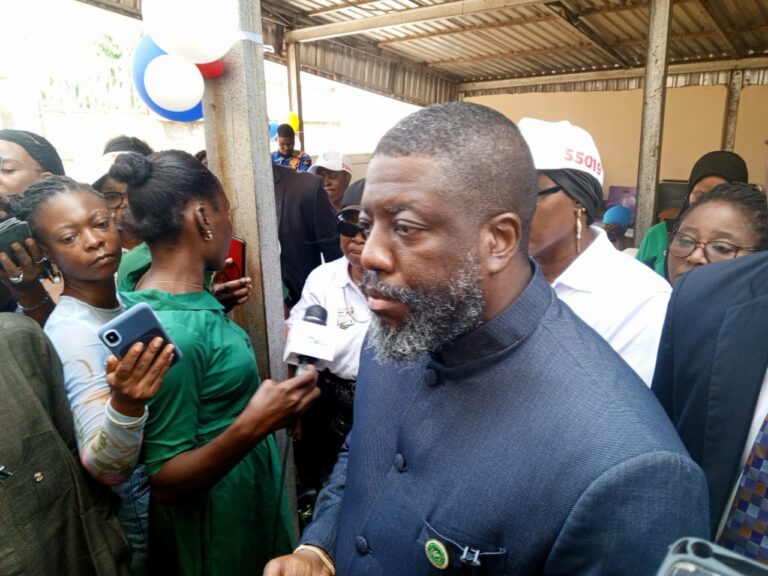
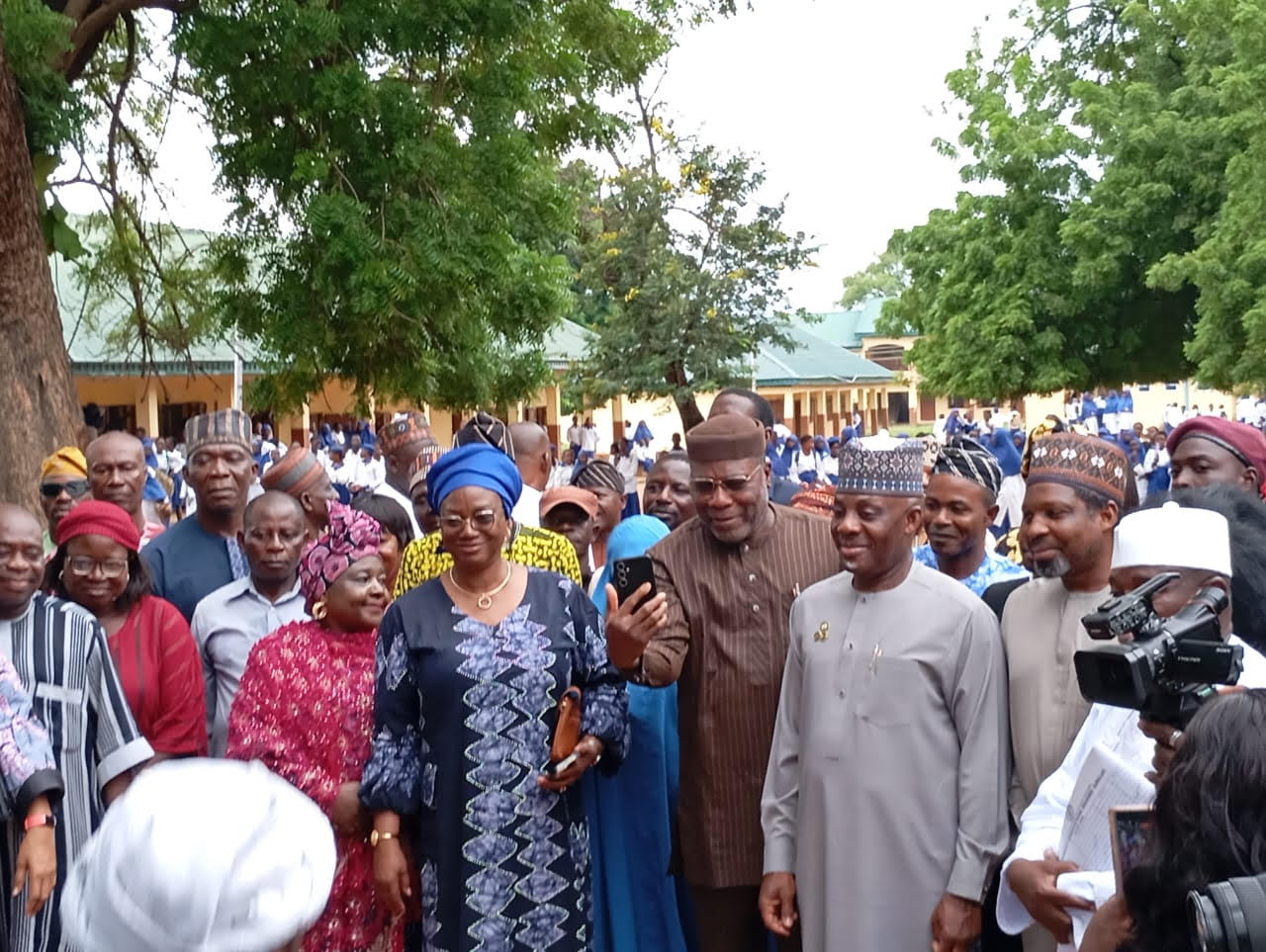
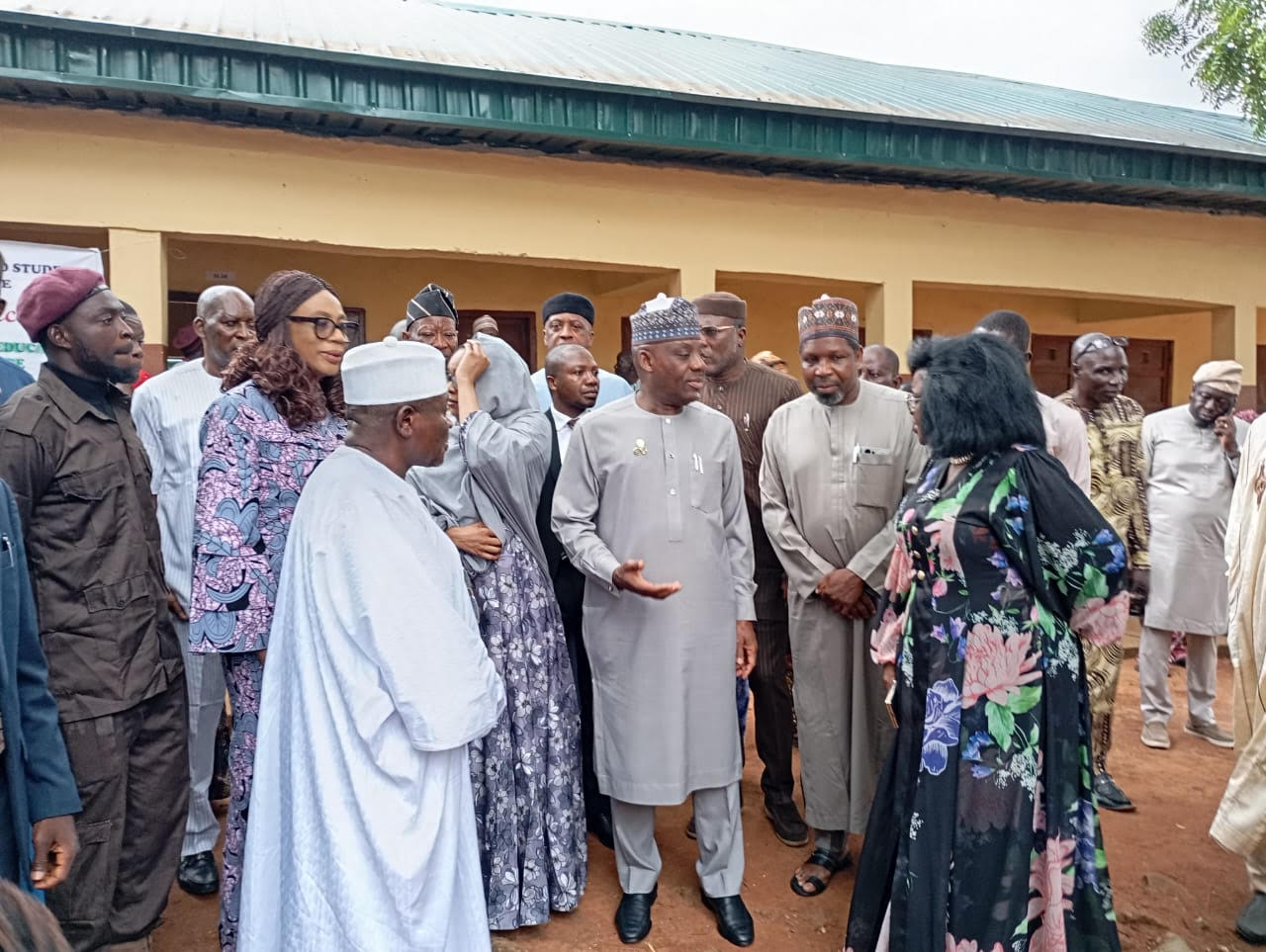
Alausa spoke to journalists on Friday after monitoring the National Learning Assessment at Government Secondary School, Kuje; Government Junior Secondary School, Kuje Central; and Topaz Model Primary School, Kango, in the Federal Capital Territory (FCT).
He explained that the assessment targets pupils in Primary Three, Primary Five, Junior Secondary School Two (JSS2) and Senior Secondary School Two (SSS2), with tests covering English Language, Mathematics, Basic Science and non-cognitive skills.
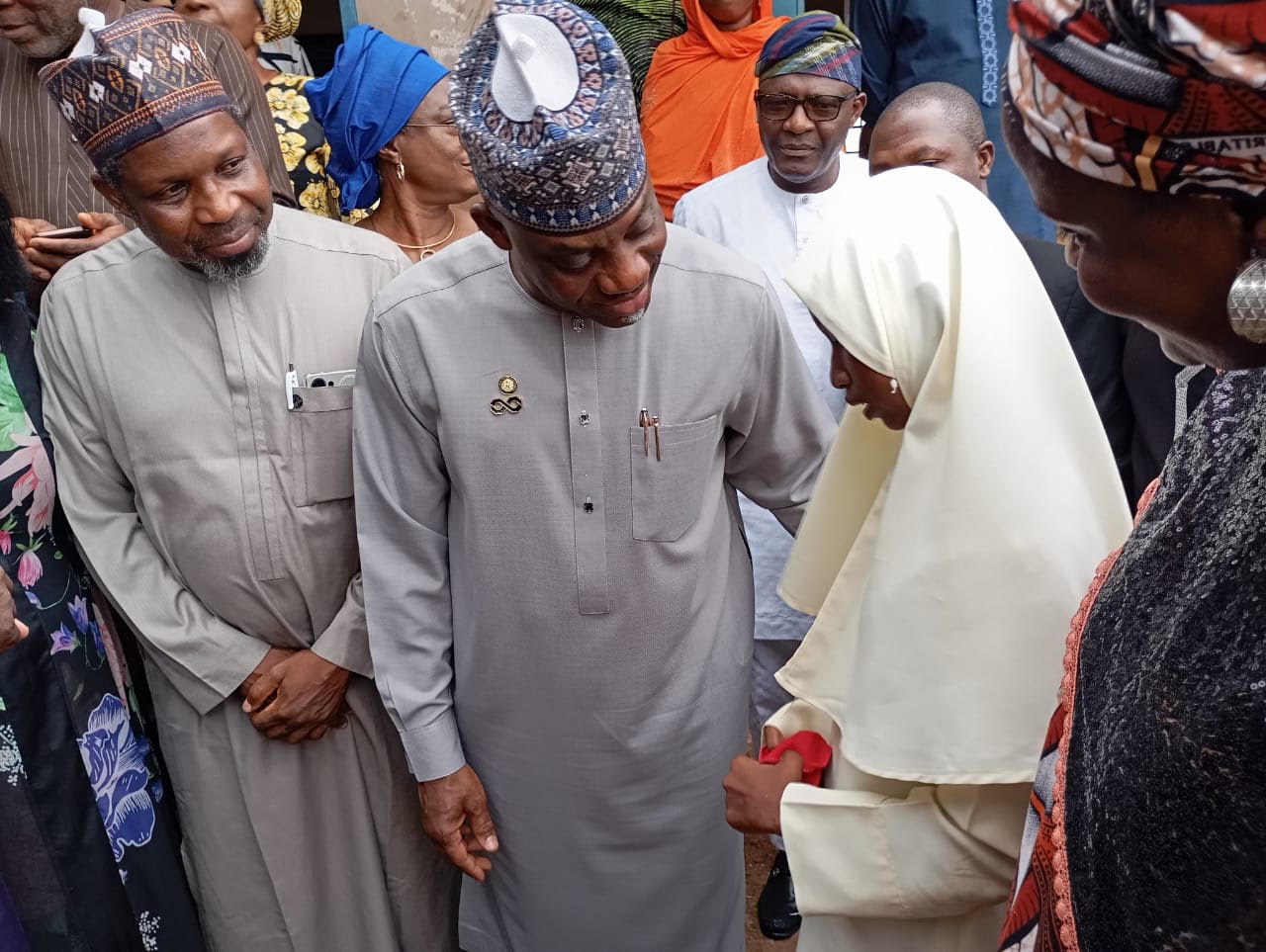
The minister said the exercise is aimed at determining the level of learning among Nigerian students and providing the empirical evidence required to improve teaching and learning nationwide.
“We are conducting this National Learning Assessment to determine the level of understanding of our students in key subjects and to measure their literacy, numeracy and cognitive development,” the minister said.
He further noted that the assessment forms a critical component of the Nigerian Education Sector Renewal Initiative (NESRI) and will serve as the country’s benchmark for measuring learning outcomes every three years.
He observed that Nigeria had not institutionalised regular national learning assessments, explaining that while the Universal Basic Education Commission (UBEC) conducted one in 2023, the previous assessment by the Federal Ministry of Education was held in 2019.
To ensure sustainability, he said the ministry had directed UBEC to make dedicated budgetary provisions for the exercise, beginning with the next assessment cycle in 2029.
“Learning assessment should be conducted every three years. We have now put robust processes in place, and UBEC has been directed to make dedicated budgetary provisions so the assessment becomes a regular national exercise beginning from 2029,” he said.
Other News
The minister expressed concern over Nigeria’s high rate of learning poverty, noting that many children are unable to read and comprehend age-appropriate texts by the age of 10. He added that the findings from the assessment would enable the government to identify learning gaps, deploy targeted interventions and monitor progress in improving educational outcomes across the country.
Alausa further disclosed that the ministry had consolidated previously fragmented assessment models into a unified National Learning Assessment framework to ensure consistency and facilitate meaningful comparisons over time.
“We have customised different learning assessments into one standardised National Learning Assessment. This will allow us to consistently measure progress as we transform the education sector and ensure every Nigerian child receives quality education,” he said.
Following inspections of both public and private schools in Kuje, the minister commended the quality of infrastructure and the learning environment in public schools within the FCT.
He praised the cleanliness of the schools, describing the students as healthy, cheerful and learning in well-maintained surroundings.
“I was impressed by what I saw in the public schools. The environment was clean, the students looked healthy and happy, and there was evidence of good maintenance and greening. I commend the FCT Administration for the quality of the schools,” he said.
Also speaking, the FCT Mandate Secretary for Education, Dr Danlami Hayyo, described the nationwide assessment as a landmark initiative that would strengthen learning outcomes across Nigeria.
He reaffirmed the commitment of the FCT Administration to supporting the programme, revealing that more than 120 public schools had been renovated under the current administration to improve teaching and learning.
“We appreciate the Minister for this initiative. The FCT Administration has renovated over 120 public schools, including Government Secondary School, Kuje, and we will continue to support every policy that will improve the quality of education in line with President Bola Tinubu’s Renewed Hope Agenda,” Hayyo said.